

Sistema di gestione del casinò
-
Chip da poker RFID in ceramica personalizzati
Gettoni da poker RFID -
Chip da poker RFID in acrilico personalizzati
Gettoni da poker RFID -
Chip da poker RFID in nylon personalizzati
Gettoni da poker RFID -
Chip da poker RFID personalizzati in composito di argilla
Gettoni da poker RFID -
SiM · Sistema di gestione chip RFID per casinò con cassa | Contabilità per casinò con cassa
Sistema di gestione del casinò -
Tavolo da gioco RFID Niu Niu con tracciamento del chip
Tavolo da poker RFID → -
Tavolo da gioco RFID Dragon Tiger con lettura delle scommesse laterali
Tavolo da poker RFID → -
Tavolo da baccarat RFID con tracciamento del chip sotto il panno
Tavolo da poker RFID → -
terminale portatile antifrode per gettoni RFID da casinò
Lettore RFID per chip da casinò -
Scheda di lettura chip RFID per casse di casinò | Sistema di gestione chip
Lettore RFID per chip da casinò -
Tavolo da blackjack RFID con tracciamento di divisione e raddoppio
Tavolo da poker RFID →


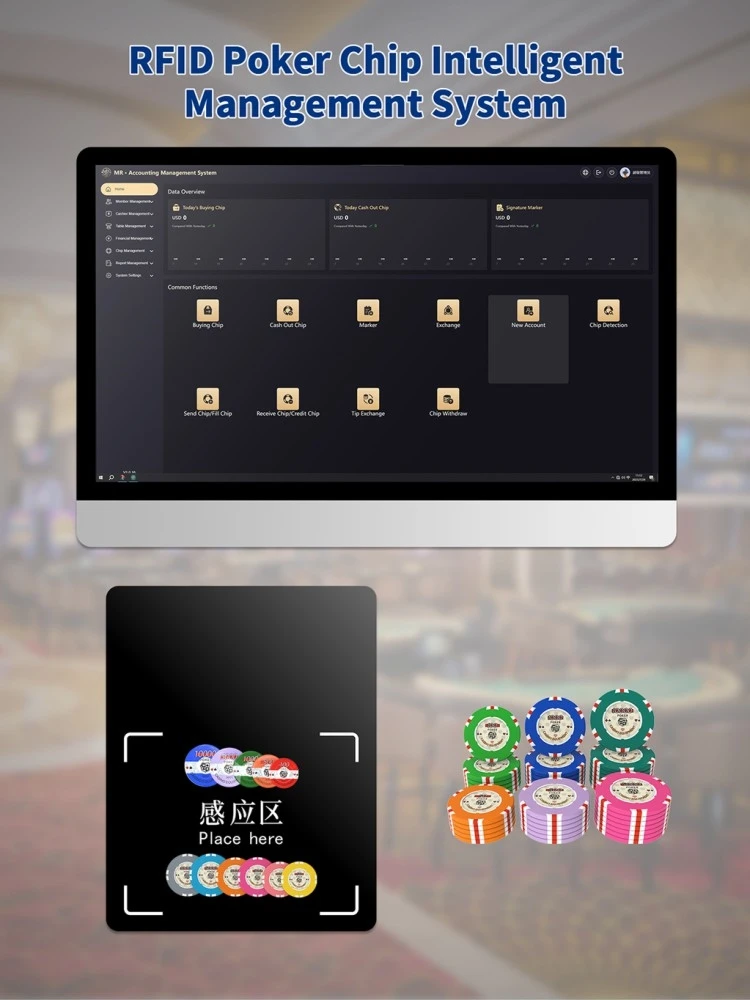
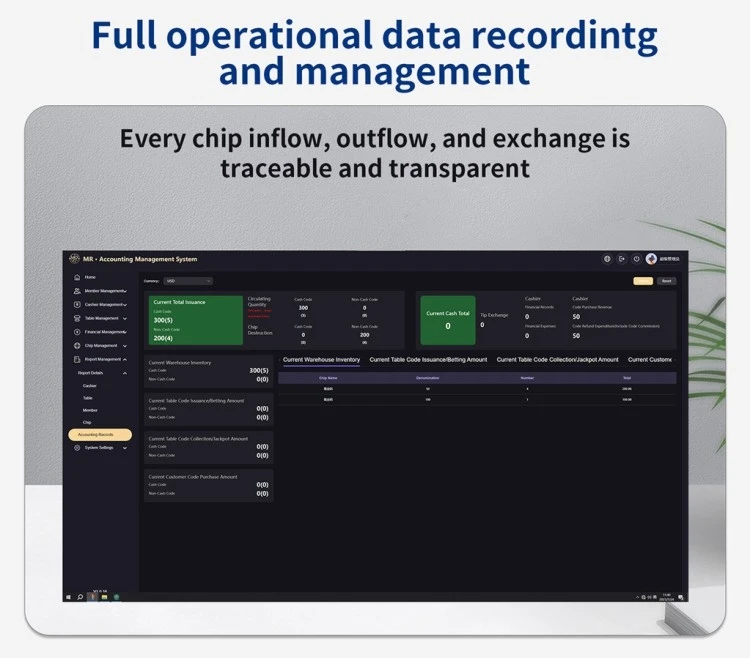





Macaumr’s casino management system is an RFID-based cage accounting and chip-tracking platform for land-based casino floors. Chips are RFID-encoded at production and read in batches at the cage, so inventory, issuance and redemption are recorded against the system rather than counted by hand. Where a site requires it, the platform runs air-gapped and fully offline.
What does a casino management system cover?
It covers the chip record: what was issued, what came back, what is in play and what is missing. The system links the cage, the pit and the tables to one chip identity, so a chip read at a table and the same chip returned at the counter resolve to the same record. The scope is table games, cage accounting and chip authentication. For how the modules sit on that single record, see the casino management system architecture.
Which modules does it include?
Four modules sit on the same chip record. Cage accounting handles issue, return, fill, credit, destruction and warehousing. Chip tracking follows denomination and location. Table monitoring reads chips at the betting positions during play. Reporting produces shift settlement, exception lists and audit extracts. A deployment can start with the cage and add the other modules as the floor is covered.
How does the cage side work?
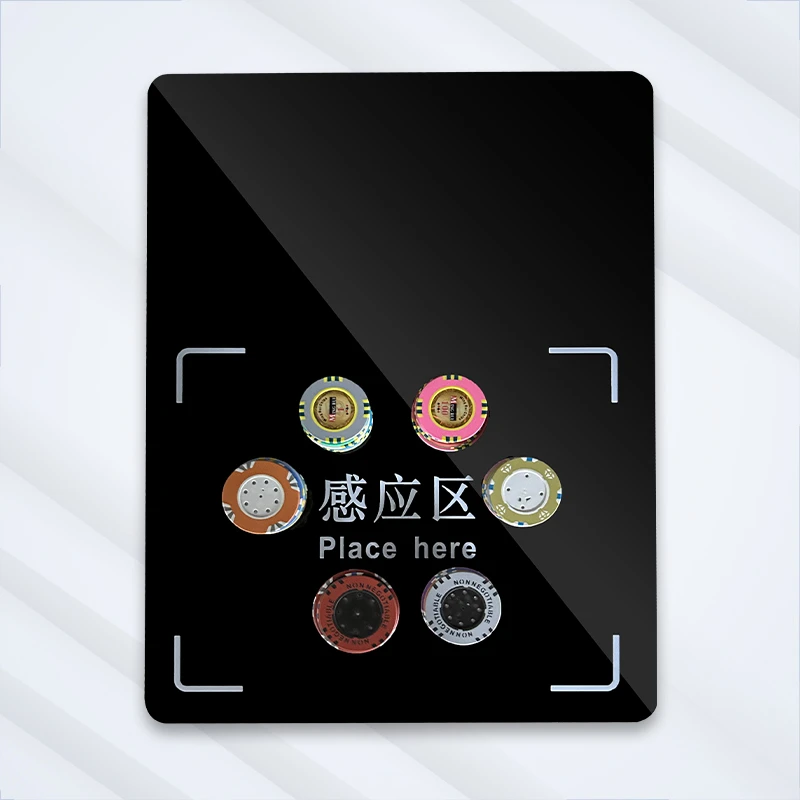
The cashier places chips on the reader board, the board reads the batch and the transaction is logged against the identifiers it detected. A batch of up to 100 chips is read at under 0.5 seconds per chip, so the count happens in one placement rather than chip by chip. Six operations are recorded: issue, return, destruction, warehousing, fill and credit. For how each one lands on the chip record, see how RFID cage reconciliation works.
How does it reach the floor and the tables?
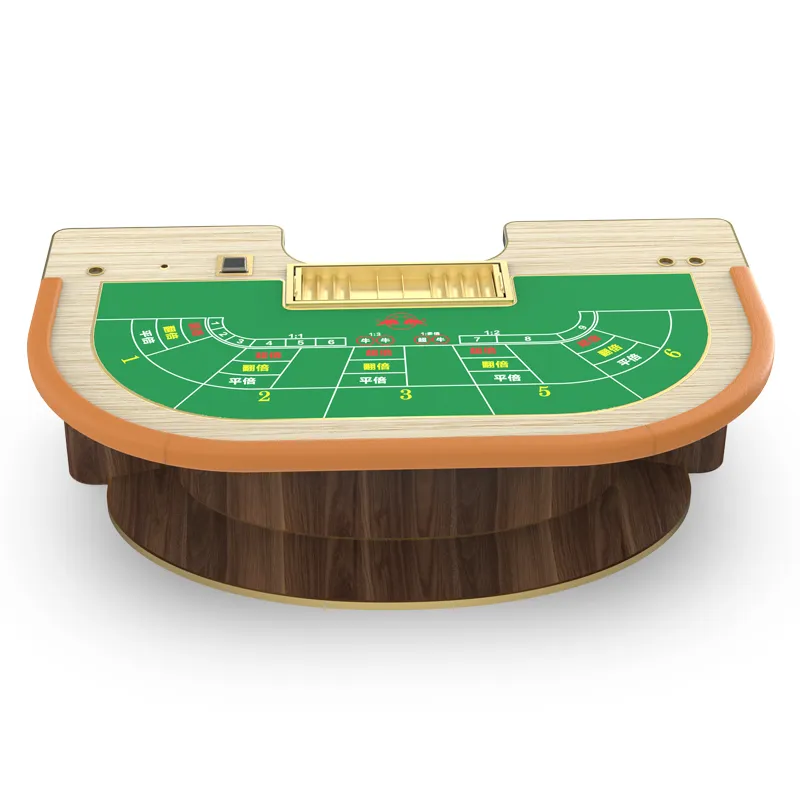
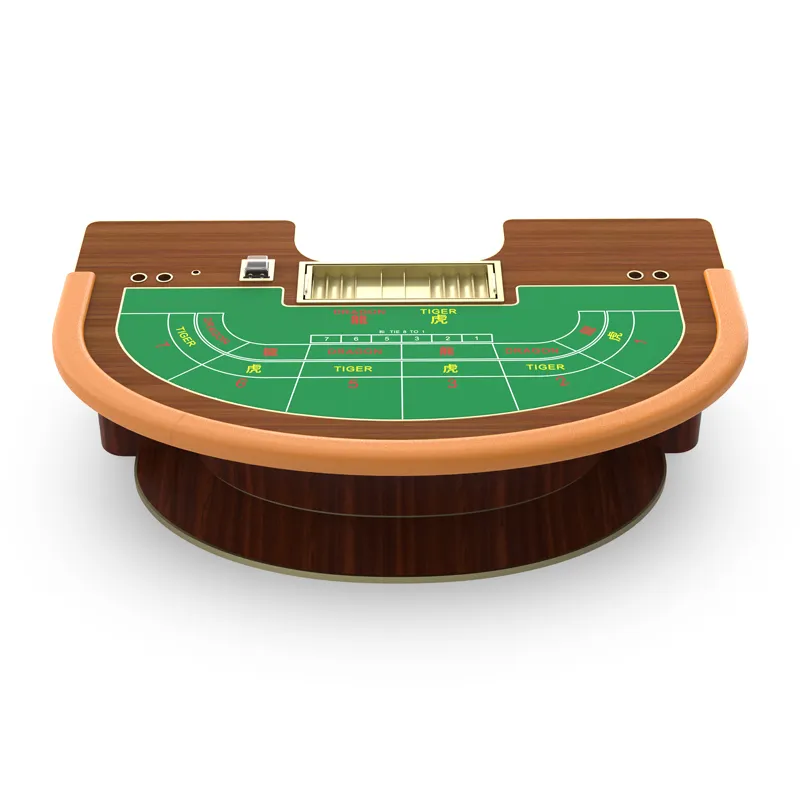
Two devices extend the same record beyond the counter. The terminale portatile reads 13.56 MHz ISO 15693 chips in the pit, the count room and during transport. tavoli da gioco RFID carry antennas under the betting positions and read chips as they land, at up to 200 chips per second. Both report into the same system as the scheda di lettura per la Cassa, so the floor and the cage reconcile against one set of records. What the table-side record is used for is covered in how RFID table data drives revenue per table.
How does it integrate with an existing system?
The reader hardware connects over Ethernet, RS-485 or USB and exposes a CMS API. Integration with an existing casino management system is confirmed per project: standard interfaces cover the common platforms, and proprietary systems are handled as part of the OEM service, where the interface is built around the platform’s data requirements rather than assumed to fit. Send the platform name and version with the enquiry.
What does it report, and what does audit get?
Records are produced at the moment of the transaction rather than reconstructed at the end of a shift. Reports cover shift settlement, the cage balance against the floor, unrecognised-chip alerts and denomination mismatches. Access is role-based and operation logs are retained, which is what an audit or a regulator asks for.
What does a deployment involve?
Start from the events that must be recorded, then decide where the reading points sit. Fix the chip specification before the readers, because the frequency and protocol of the chips determine which hardware will read them. Confirm the CMS integration path, and write the exception procedure — what happens when a chip is unreadable or unrecognised — before go-live.
What should you confirm before ordering?
Four things decide the configuration: the frequency and protocol of the chips in circulation, the casino management system in use and its version, the counter and table layout, and the volume and denomination spread. The chip order and the reader order are specified together, because mixing hardware from different ecosystems is a common cause of a failed pilot.
Minimum quantities differ by component: 300 to 1,000 chips per denomination for custom logo work, and one to ten sets for readers and tables. Production runs 7 to 15 working days for readers and 15 to 45 working days for tables after the specification is approved. Every unit carries a 12-month warranty from delivery.