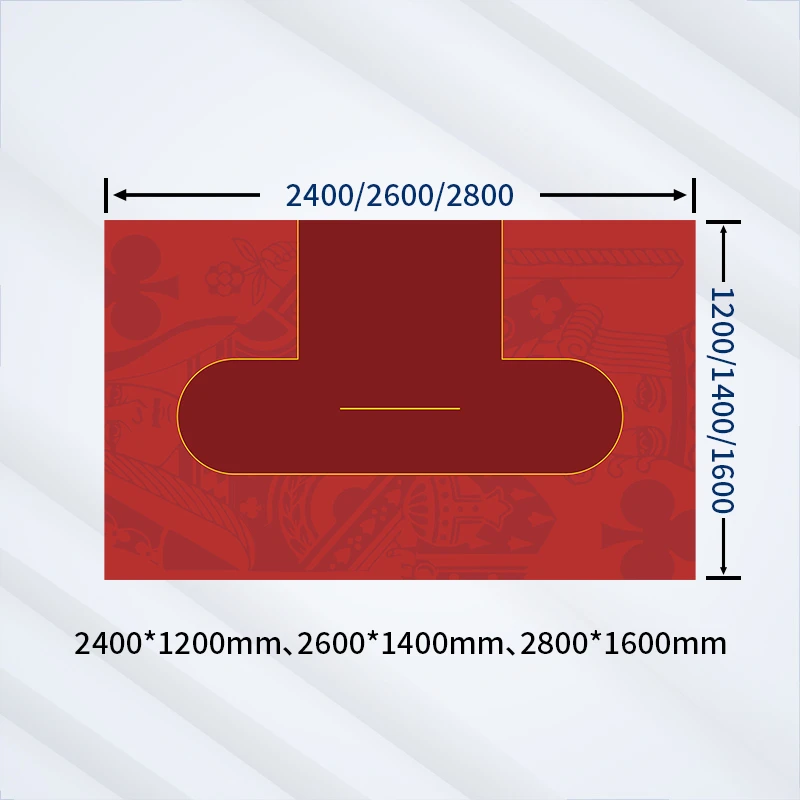
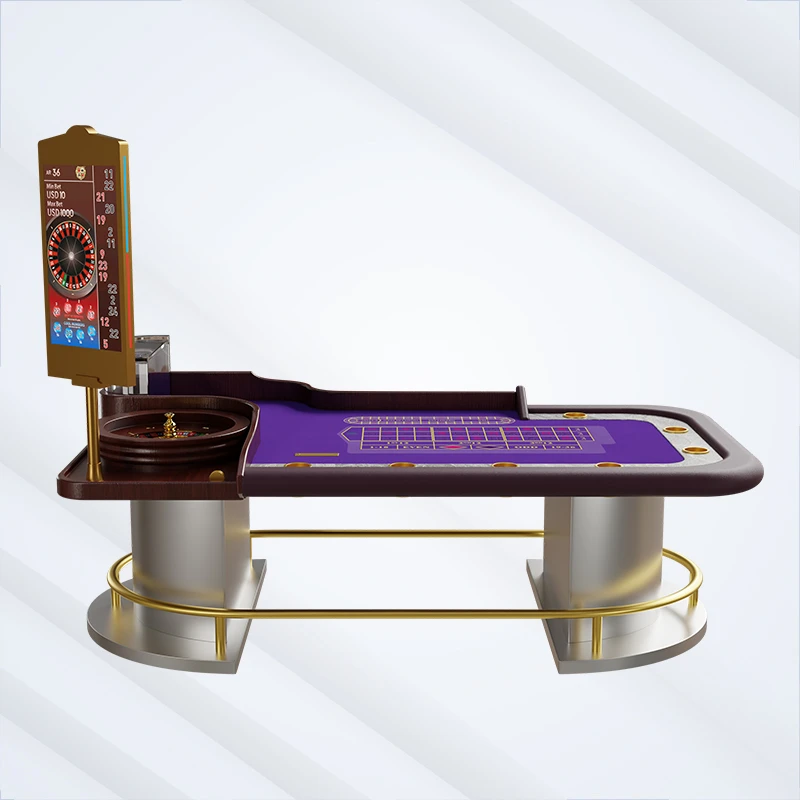
Live table games represent a casino’s highest-margin revenue stream, but also its most complex operational challenge. Every chip movement, every denomination change, and every buy-in event generates data that floor managers, surveillance teams, and cage personnel must track accurately and in real time. Manual processes are slow, error-prone, and increasingly insufficient as game speeds increase and regulatory scrutiny intensifies.
RFIDチップ ゲームテーブルに直接組み込まれたトラッキング技術は、これらの問題を根本から解決します。定期的な手動カウントや事後的な照合に頼るのではなく、オペレーターは、バイインがテーブルに置かれた瞬間からラックでの最終的な配札まで、チップレベルのあらゆるイベントをリアルタイムで把握できるようになります。この記事では、組み込み型RFIDリーダーが実際のゲーム環境でどのように機能するか、どのような運用上の改善をもたらすか、そして導入時にオペレーターが考慮すべき点について考察します。
How do embedded RFID readers work at the gaming table?
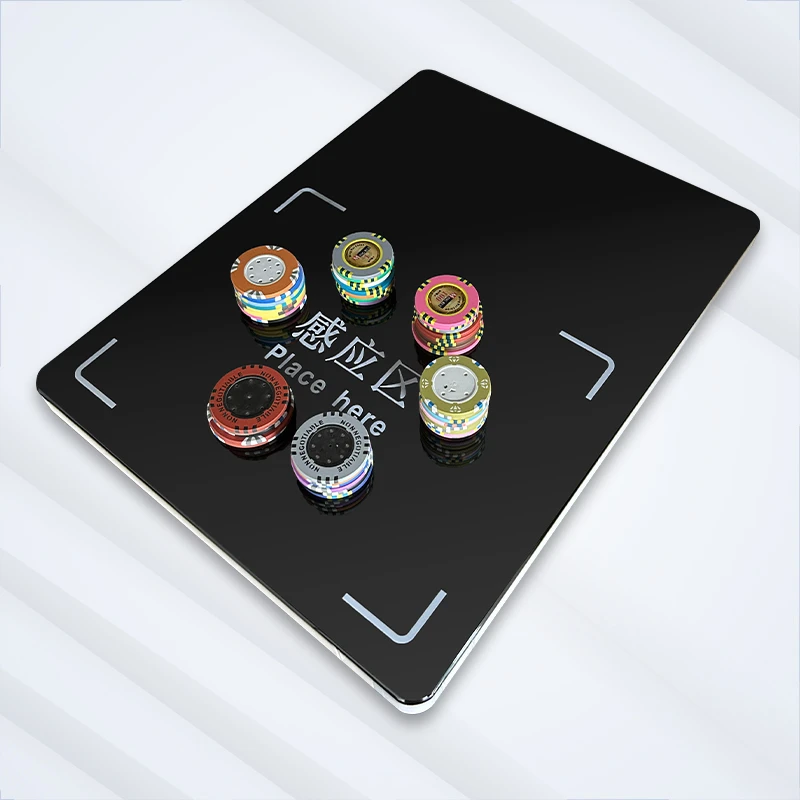
RFID chip readers built into gaming tables operate on high-frequency (HF) technology, typically at 13.56 MHz, which is the internationally accepted frequency for gaming applications due to its proven read accuracy and regulatory acceptance. Unlike standalone cage readers, these table-embedded units are installed flush beneath the table felt or within the chip tray housing, allowing continuous, passive monitoring of every chip that enters or exits the active playing area.
Each RFID casino chip contains a miniature inlay (a thin antenna and integrated circuit) embedded between layers of composite or ceramic material during manufacturing. When a chip crosses the reader’s field, the inlay activates and transmits its unique identification number. Because each chip carries a globally unique UID, the system can distinguish not only between denominations but between individual chips within the same denomination, a level of granularity that is impossible with any visual or manual system.
内蔵リーダーは、有線または無線ネットワークインフラストラクチャを介してカジノの管理システムに接続し、チップイベントデータをリアルタイムでストリーミング配信します。取得されるイベントには、通常、バイイン、カラーアップ、ドロップボックスへのチップの移動、スタックの照合などが含まれ、すべて1秒未満の精度でタイムスタンプが付与され、特定のテーブルポジションに紐付けられます。

How does real-time data reduce live game disputes?
One of the most immediate operational benefits of RFID table tracking is the dramatic reduction in live game disputes. Table game disputes attributable to chip count errors are uncommon, but each one costs floor time and staff attention to resolve. When RFID tracking is implemented floor-wide, that rate drops to below 0.02%, a 14-fold reduction driven entirely by objective, timestamped chip event data.
When a dispute arises, floor supervisors can pull the exact chip count for any point in time during the game, with individual chip UIDs and position-level breakdowns. Surveillance can correlate video footage with chip event logs, not the other way around. This shifts the dispute resolution dynamic from “whose memory is better” to “what the system recorded,” which in most jurisdictions significantly strengthens the casino’s legal position.
紛争解決にとどまらず、RFIDテーブルリーダーによって生成される監査証跡は、ディーラー、フロアスーパーバイザー、ピットマネージャーにとって新たな説明責任の基準を確立します。個々のケージ取引は、シフト全体を通して1チップ以内の精度で照合できるため、従来スーパーバイザーの承認や複雑な締め作業が必要だった曖昧な部分が解消されます。
How does RFID give inventory visibility across the gaming floor?
RFID-enabled gaming tables feed real-time chip inventory data into a central casino management system, giving floor managers a live dashboard view of every chip denomination across every active table. This eliminates the traditional morning inventory walk, a labor-intensive process in which cage supervisors physically counted chip racks at each table before the floor opened.
With RFID tracking, the cage management system calculates floor inventory automatically, flagging any discrepancy between expected and actual chip counts before the first game is dealt. Operators who have deployed this technology report saving 30 to 45 minutes of opening procedure time per shift, per pit, labor hours that can be redirected to guest service or floor coverage.
リアルタイムの在庫データにより、チップの再分配もより効率的になります。テーブルのチップが少なくなってから緊急の補充や補充依頼を出すのではなく、キャッシャーはチップの減少傾向を監視し、最適なチップラックレベルを維持するために積極的にチップを再分配できます。これにより、テーブルあたりの時間当たりの収益を減少させる無駄な時間をなくし、ゲームを途切れることなく継続できます。
How does RFID integrate with surveillance and behavioral data?
Embedded RFID readers generate a continuous stream of structured chip event data that integrates directly with casino surveillance systems. Each chip movement (buy-in, bet placement, color-up, drop) is logged with a timestamp, table number, position number, and chip UID. When this data is overlaid with video footage, surveillance operators gain a level of analytical precision that manual observation simply cannot match.
Consider a scenario where a player makes an unusually large color-up at an intermediate stage of the shoe. With manual tracking, the surveillance analyst must review multiple camera angles, estimate chip quantities visually, and correlate these observations with the pit boss’s written log. With RFID data, the analyst pulls the exact chip count for the color-up, the denominations involved, and the exact timestamp, then reviews 30 seconds of relevant video. This workflow reduction is not trivial when surveillance teams are monitoring dozens of tables simultaneously.
RFIDチップ追跡システムは、チップの動きと連動して異常な賭けパターンを検出できる異常検知アルゴリズムも可能にします。例えば、チップ追跡システムが、不審なカードシーケンスの直前に高額のチップがサイドベットとして置かれたことを検知した場合、監視チームに自動的にアラートが送信され、不正行為への対応時間を短縮できます。
How does RFID verify chips and stop counterfeits?
偽造チップは、カジノの収益に対する最も古く、最も根強い脅威の一つであり続けている。RFID技術は、テーブルでのチップ認証とキャッシャーでのチップ検証という2つのレベルでこの問題に対処する。
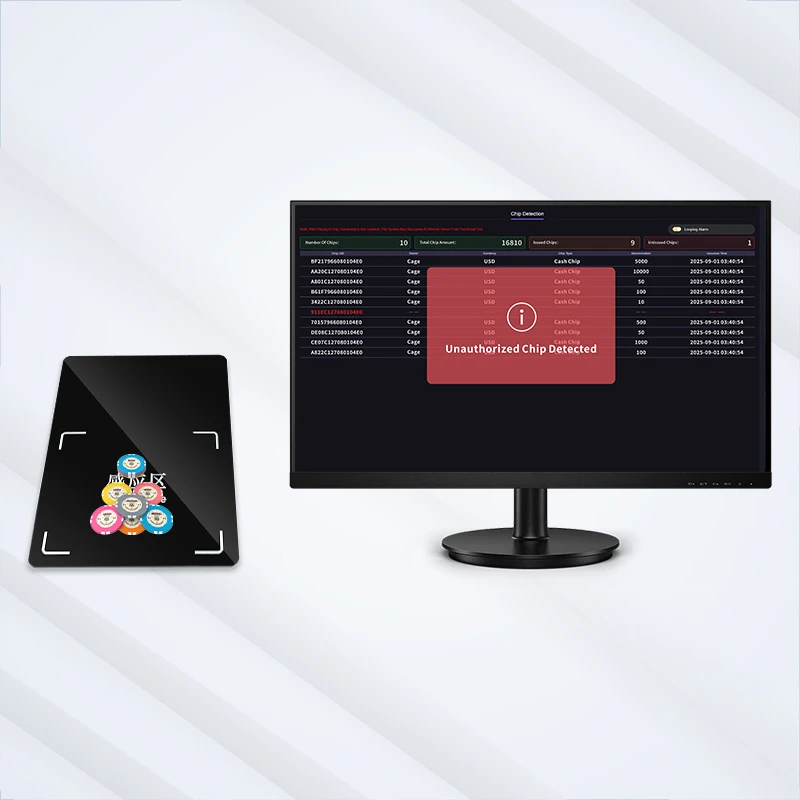
At the table, the embedded RFID reader validates each chip’s UID against the casino’s registered chip database. If an unregistered chip is detected (whether it entered through a buy-in, a transfer, or deliberate insertion) the system triggers an immediate alert to both the floor supervisor’s mobile device and the pit podium. The chip is flagged, and the game pauses until the chip is authenticated or removed from play.
For additional security, the chip cage reader serves as a secondary verification point. When chips are returned to the cage, the reader scans each chip individually, cross-checking UIDs before accepting them into the cash cage inventory. Any chip that fails authentication is rejected and held for supervisor review. This two-point validation model (table-level and cage-level) creates a security envelope that is significantly harder to exploit than either checkpoint alone.
より広範な偽造対策戦略については、以下の記事も併せてご覧ください。 カジノチップの偽造防止 RFIDテーブルトラッキングを補完する多層認証方式の詳細については、こちらをご覧ください。
What regulations apply to RFID chip tracking?
Regulatory requirements for chip tracking technology are tightening across major gaming jurisdictions. In Macau, higher-stakes baccarat tables are subject to chip-tracking and accountability requirements. Singapore’s Casino Regulatory Authority imposes similar requirements on equivalent-stakes tables under its Enhanced Table Game Monitoring framework.
In the United States, Nevada regulators have been tightening the technical standards for newly installed table game equipment, with chip-tracking capability increasingly expected. The New Jersey Division of Gaming Enforcement has circulated similar guidance, with implementation timelines currently under review.
For operators planning capital expenditures on gaming tables, this regulatory trajectory has a direct budgeting implication: RFID-enabled tables are no longer a competitive differentiator; they are becoming a licensing prerequisite. Investing in compatible infrastructure now positions operators ahead of compliance deadlines and avoids the rushed procurement premiums that typically accompany regulatory near-deadlines.
What should operators know before implementing RFID tracking?
ライブゲームフロア全体にRFIDチップによるトラッキングシステムを導入するには、稼働中のゲームプレイを妨げないよう、綿密な計画が必要です。以下のフレームワークは、中規模から大規模な導入において、主要な機器ベンダーのほとんどが採用している実装アプローチを示しています。
Phase 1. Chip registration and database setup: Before any reader is installed, the casino must register every chip in its RFID system with a unique UID, denomination, color, and series. This database is the foundation of the entire tracking system; any unregistered chip will trigger an alert, so accuracy is non-negotiable. For a 50-table floor with an average chip inventory of 2,000 chips per table, this phase typically requires 4 to 6 weeks of preparation.
Phase 2. Reader installation and zone calibration: テーブル埋め込み型リーダーは、通常、夜間または人通りの少ない時間帯など、フロアの定期メンテナンス時間中に設置されます。各リーダーゾーンは、チップスタックと個々のチップを区別し、チップの向きのばらつきを考慮し、隣接するテーブルからの誤読み取りを抑制するために、キャリブレーションを行う必要があります。キャリブレーションには、リーダーのモデルとピット構成によって異なりますが、通常、テーブル1台あたり2~4時間かかります。
Phase 3. System integration and testing: リーダーネットワークはカジノ管理システムに接続され、テーブルリーダー、キャッシャーリーダー、監視統合ポイント、および中央ダッシュボード間でデータフローが検証されます。機能テストには、すべての額面におけるバイイン、カラーアップ、ドロップ、カラーダウンのシナリオが含まれ、偏差レポートの正確性が検証されます。
Phase 4. Staff training and floor rollout: Dealers, floor supervisors, and cage personnel receive role-specific training on interpreting RFID dashboard data, responding to system alerts, and managing games during reader calibration events. A phased floor rollout (typically 3 to 5 tables per night) allows the operations team to adapt without overwhelming support resources.
The total implementation timeline for a 50-table property typically ranges from 3 to 5 months from contract signing to full floor coverage, with the majority of capital expenditure concentrated in hardware procurement. RFID table readers range from USD 3,000 to USD 8,000 per table depending on read zone configuration, and compatible chip sets add USD 2 to USD 6 per chip above standard non-RFID equivalents.
結論
ライブゲームテーブルにおけるRFIDチップ追跡は、実験段階の技術から運用標準へと決定的に移行しました。リアルタイムのチップイベントキャプチャ、統合された監視データ、偽造防止検証、そして規制遵守への対応といった要素が組み合わさることで、これは今日のカジノ運営者にとって最も高い投資対効果をもたらす技術の一つとなっています。この技術を導入した施設は、紛争解決の迅速化、在庫管理の精度向上、監視効率の向上、そして最終的には収益保護において、目に見えるメリットを享受できます。
For operators evaluating suppliers, the critical evaluation criteria are reader calibration accuracy under live game conditions, integration compatibility with existing casino management platforms, and the vendor’s regulatory certification track record in the target jurisdiction. Pairing the right reader hardware with the right management software (such as a comprehensive RFID対応ケージ管理システム) determines whether the deployment delivers a full operational return or merely a partial one.
よくあるご質問
RFIDテーブルリーダーは、異なるチップの規格をどのように区別するのですか?
Each RFID chip carries a unique identification number that is pre-registered in the casino management system and linked to its denomination, color, and series. When the reader detects a chip, it queries this database and returns the denomination and UID. This allows the system to distinguish not only between denominations but between individual chips within the same denomination, something no visual or manual system can achieve.
RFIDテーブルトラッキングの投資回収期間は、一般的にどのくらいですか?
ほとんどの事業者は、導入後18~36ヶ月以内に投資回収を達成します。これは主に、チップの自動カウントによる人件費削減、紛争解決コストの削減、テーブルの開設・閉鎖手続きの迅速化、チップ偽造による収益漏洩の減少などが要因です。ゲーム速度が速く、チップ在庫が多い施設ほど、回収期間が短縮される傾向があります。
RFIDテーブルトラッキングでは、既存のチップをすべて交換する必要がありますか?
Yes. RFID tracking requires chips that contain embedded RFID inlays. Standard clay, composite, or acrylic chips without inlays are invisible to the reader. However, a phased replacement strategy, in which new RFID chips are introduced during routine color-ups and new game openings, minimizes the capital impact. Chips that are compatible with major reader platforms include composite ceramic hybrids and multi-layer polymer constructions with embedded HF inlays.
試合中にRFIDリーダーが故障した場合、どうなりますか?
最新のRFIDテーブルリーダーシステムには、リーダーの故障時にもチップ追跡の継続性を維持する冗長化プロトコルが組み込まれています。プライマリリーダーが故障した場合、システムはチップトレイハウジング内のバックアップセンサーに切り替わり、フロアスーパーバイザーとピットマネージャーに警告を発します。ほとんどのシステムには手動照合モードが搭載されており、リーダーが復旧または交換されるまで、ケージスタッフが暫定的なカウントを行いながらゲームを継続できます。
RFIDチップによる追跡には、データプライバシーに関する考慮事項はありますか?
RFIDチップ追跡は、チップの動きを監視するものであり、個々のプレイヤーの行動を直接監視するものではありません。しかし、プレイヤーロイヤルティシステムや監視用顔認識データと連携させた場合、そのデータセットはほとんどのゲームプライバシー規制の下で個人情報とみなされます。事業者は、適用される管轄区域のプライバシー要件に準拠したデータアクセス制御、監査ログ、およびデータ保持ポリシーを実装する必要があります。これには、ゲーム以外のデータアプリケーションに関連する場合は、GDPR第9条の規定も含まれます。
同じチップが私たちのフィードを読み取ります RFID ポーカーテーブルそのため、テーブルとケージのレコードは、1つのチップIDに基づいて解決されます。