Why Casino Pit Management Software Is No Longer Optional
A casino pit manager walking the floor with a clipboard and a radio is a relic. In 2026, properties that run 30+ table games without casino pit management software are leaving measurable revenue on the table and inviting regulatory scrutiny. The transition from analog to digital pit oversight is driven by three converging pressures:
- Regulatory tightening — Macau’s DICJ and regional gaming commissions increasingly require real-time audit trails for chip transactions and floor activity.
- Chip shrinkage — Properties without automated reconciliation face elevated chip-loss exposure. Gaming Laboratories International (GLI) survey data indicates unmonitored environments show higher variance in chip bank reconciliation discrepancies compared to RFID-monitored floors.
- Dealer productivity variance — Without live data, pit managers lack visibility into which dealers consistently process fewer hands per hour or which tables carry elevated payout error rates.
What Casino Pit Management Software Actually Does
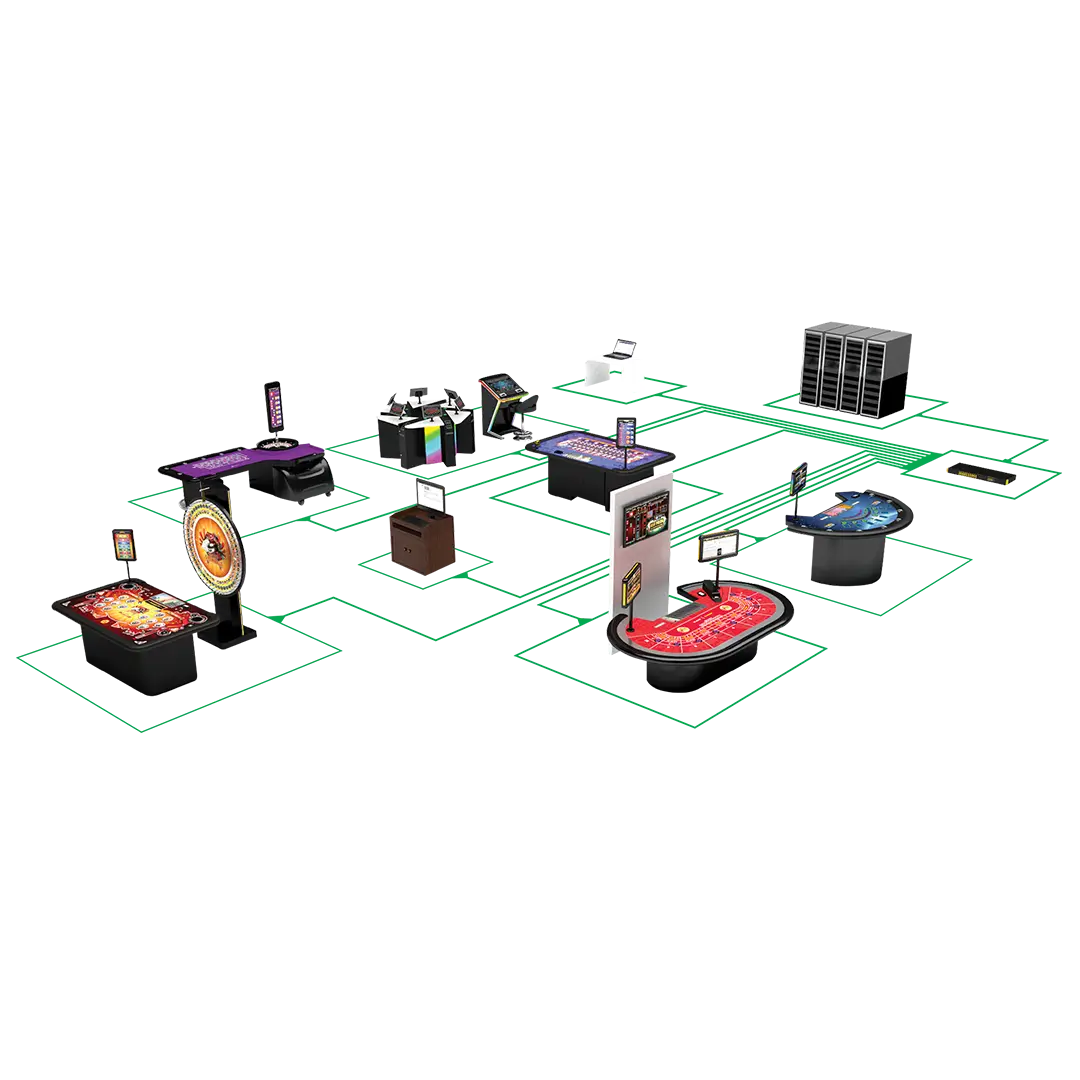
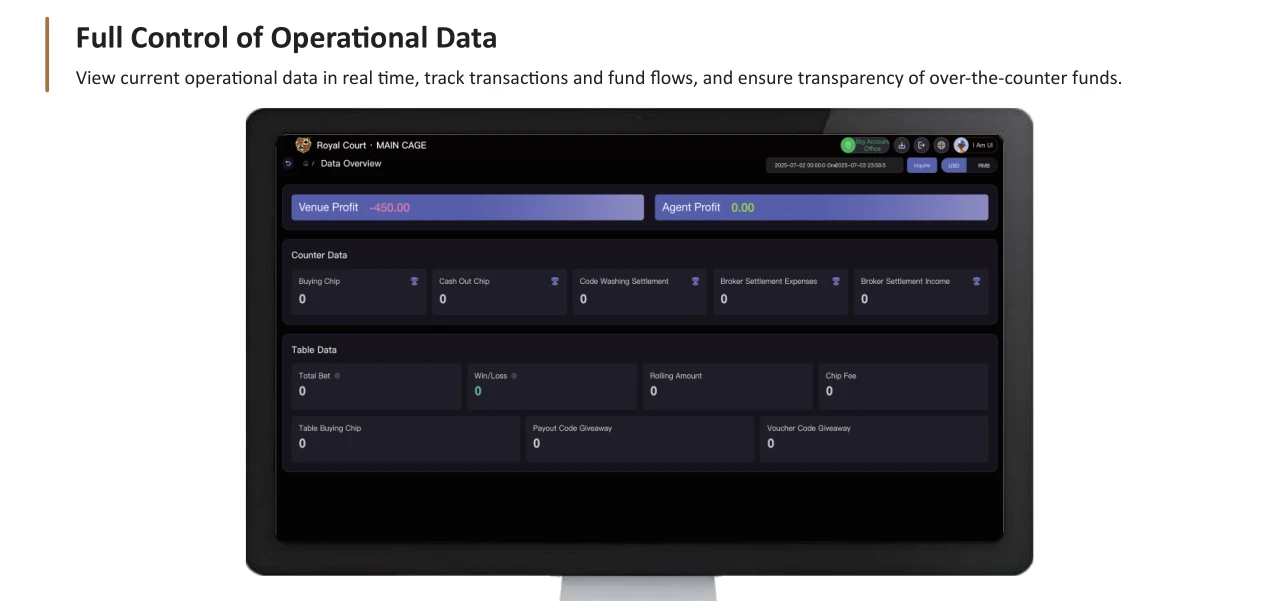
Casino pit management software sits at the intersection of RFID poker chips, table-level sensors, and centralized analytics. It is an integrated platform that connects three data streams into one decision-making layer:
1. Real-Time Chip Position Tracking
Every RFID-embedded chip on the floor broadcasts its denomination, serial number, and location to embedded reader boards beneath the felt. The pit management software aggregates these signals into a live map showing total chip value at each table, chip movement between dealer tray and betting positions, and unauthorized chip placement alerts.
When a chip without a valid RFID signature appears, the system flags an alert and displays the position on the dealer screen — significantly faster than manual spot-checks. Explore Macaumr’s portable RFID handheld terminal for floor-level spot verification.
2. Dealer Performance Metrics
The software logs every hand dealt, every payout made, and every chip tray refill. Key dealer-level KPIs include hands per hour (HPH) benchmarked against AGA industry average benchmarks, payout accuracy rate measured against expected payout thresholds, chip tray balance variance for real-time overpayment/underpayment detection, and table open/close cycle time tracking.

Properties using real-time dealer metrics consistently identify patterns that inform dealer rotation, table limit adjustment, and fill/credit cycle scheduling — replacing intuition with evidence.
3. Table-Level Revenue Analytics
Each table becomes a profit center with its own P&L profile. The software calculates win/loss per table per shift, hold percentage versus theoretical hold for each game variant, drop-to-win ratio for identifying underperforming tables, and average bet size trends by time-of-day, dealer, and game variant.
This granularity lets shift managers open or close tables based on actual performance, not estimated head counts.
How RFID Integration Powers the Data Pipeline
Casino pit management software is only as good as its data input. RFID technology provides the signal layer that makes every dashboard metric trustworthy. The hardware architecture includes under-felt reader boards embedded beneath each baccarat table hardware, cage-side reader stations for bulk chip transfers, handheld verification units for spot audits, and an air-gapped server architecture running on an offline network isolated from internet-based attack vectors.
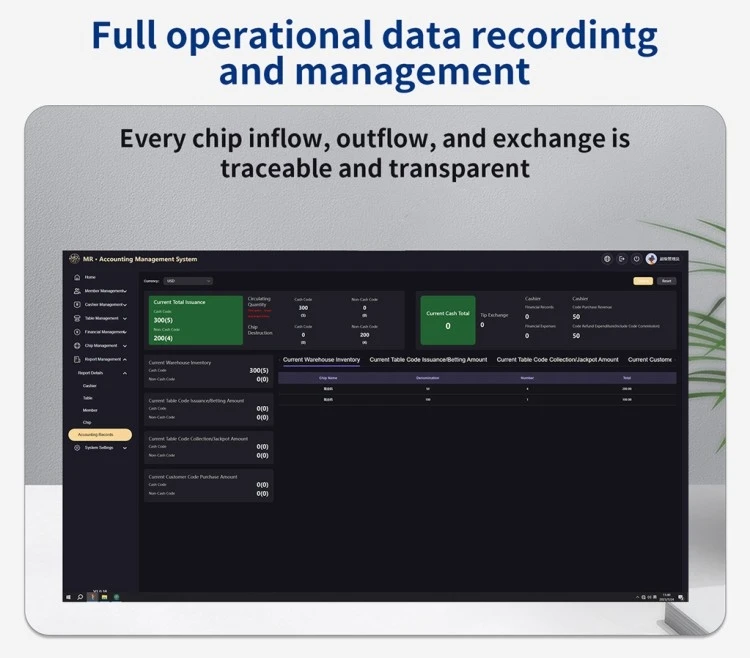
The air-gapped design is critical for compliance in regulated markets. Macaumr’s full casino management system portfolio meets this requirement by processing all chip accounting data on a local server with no external network connection.
From Data to Action: Pit Manager Decision Framework
Dealer Reassignment Based on HPH Data
If a baccarat dealer averages 42 HPH while the pit benchmark is 52, the system highlights this gap. The pit manager can rotate in a higher-output dealer, review the slower dealer’s payout accuracy, or adjust the table limit to match throughput.
Dynamic Table Limit Optimization
The software tracks average bet size by time window. If a table’s average bet drops significantly during afternoon hours, the pit manager can lower the minimum to maintain drop volume, or raise it during peak periods when higher-limit play clusters.
Fill/Credit Cycle Scheduling
Manual chip fills can consume several minutes of playable time per cycle. The software predicts when a dealer tray will need a fill based on chip-outflow rate and pre-stages the fill at the cage — reducing dead time and recovering hands per cycle.
Implementation Roadmap for B2B Operators
Deploying casino pit management software requires a phased rollout to avoid floor disruption:
- Phase 1: RFID hardware installation — Under-felt readers and cage stations go live first. The system collects data in observation mode (no alerts, no interventions) for 2–4 weeks to establish baseline metrics.
- Phase 2: Dashboard activation — Pit managers receive live dashboards on touchscreen monitors. Metrics are visible but not yet actionable — managers observe, learn patterns, build confidence.
- Phase 3: Alert integration — Counterfeit detection, overpayment warnings, and chip-shrinkage alerts activate. Dealer reassignment and fill-scheduling begin.
- Phase 4: Full optimization — Dynamic table limits, predictive fill staging, and cross-shift analytics operate as standard protocol.
Most properties reach Phase 3 within 60–90 days of hardware deployment. Full optimization typically requires several months of data accumulation to build reliable benchmarks for each game type and shift pattern.
FAQ
Does casino pit management software require internet connectivity?
No. Macaumr’s pit management platform runs on an air-gapped, offline network that physically separates gaming data from any internet connection. This architecture aligns with Macau DICJ and most regional gaming commission requirements for financial data isolation.
How does pit management software detect counterfeit chips?
Every RFID-embedded chip broadcasts a unique encrypted identifier. The under-felt reader board scans all chips in the betting area simultaneously. When a chip without a valid RFID signature or with a mismatched denomination code appears, the system flags an alert and displays the position on the dealer screen for immediate verification.
Can pit management software work with non-RFID tables?
The core analytics — chip tracking, counterfeit detection, tray balance — require RFID-enabled tables and chips. However, the dealer performance and revenue analytics modules can operate with manual data input for tables during phased rollout, providing partial visibility as the floor is gradually upgraded.
What is the typical ROI timeline for casino pit management software?
Properties typically recover their investment within 12–18 months. Revenue recovery comes from reduced chip shrinkage, improved dealer throughput, and better hold percentage management through dynamic table limits. Regulatory compliance savings provide an additional, harder-to-quantify benefit.
Does the system replace pit managers or support them?
The software augments pit managers, not replaces them. It provides data-driven visibility that human observation alone cannot achieve — but strategic decisions about dealer placement, table limits, and floor configuration still require experienced human judgment. The system transforms the pit manager’s role from reactive observation to proactive, evidence-based management.