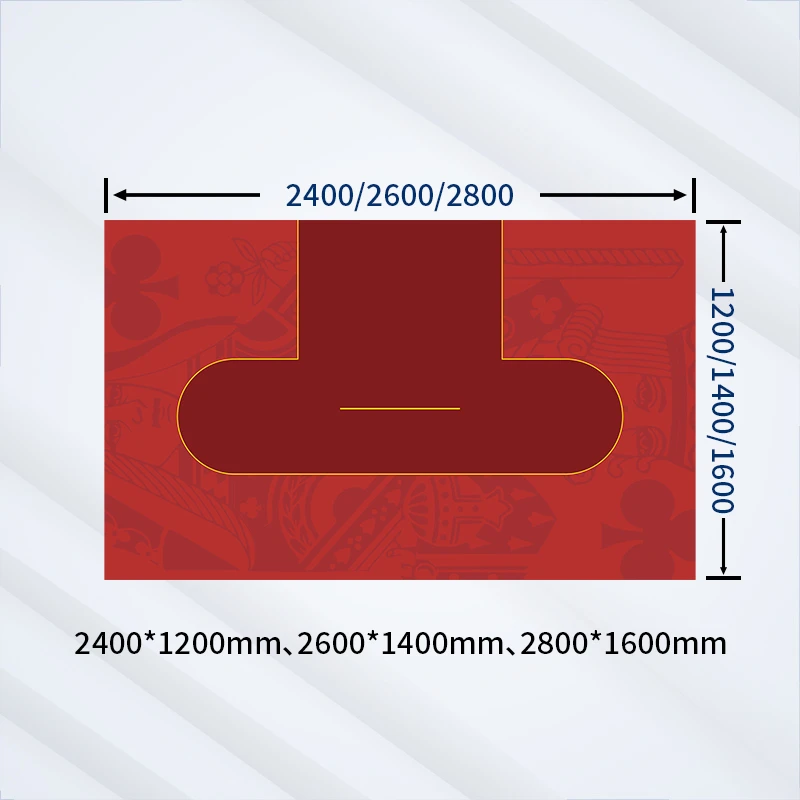
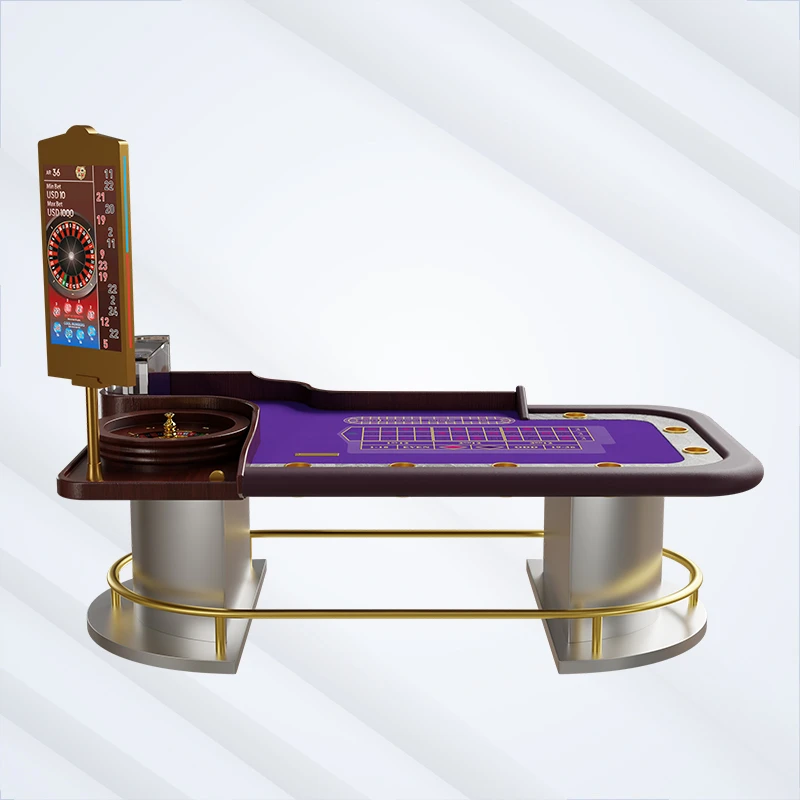
A sic bo table layout is the printed felt surface that defines every bet type, payout zone, and dealer action area on a sic bo gaming table. For casino operators sourcing new tables or upgrading existing ones, the layout directly affects game speed, dealer accuracy, and player comprehension. This guide breaks down the design principles, standard dimensions, and customization options that B2B buyers need to evaluate before placing an order.
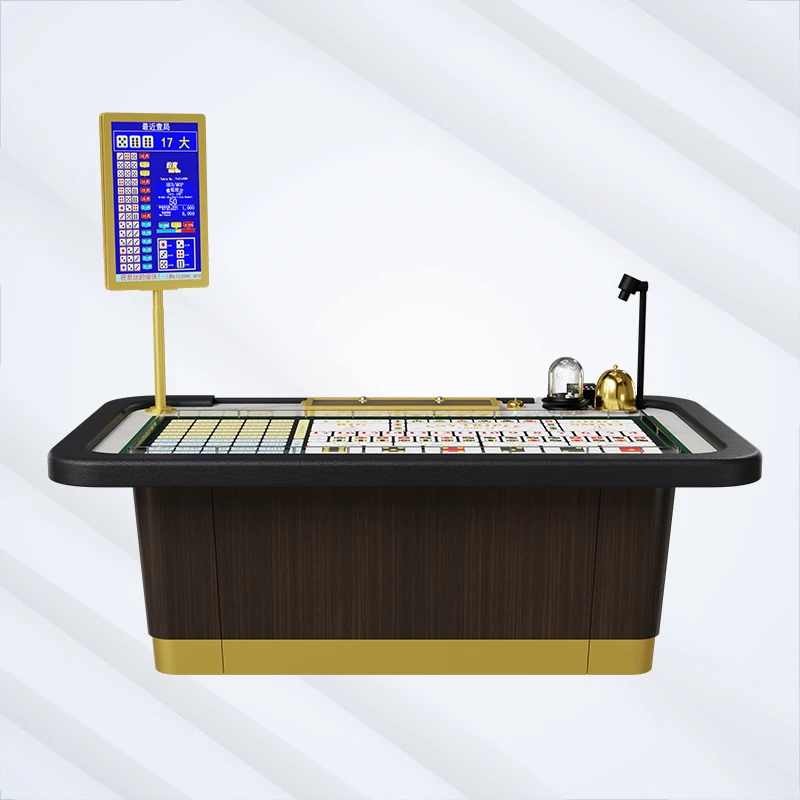
What Is a Sic Bo Table Layout and Why Does It Matter?
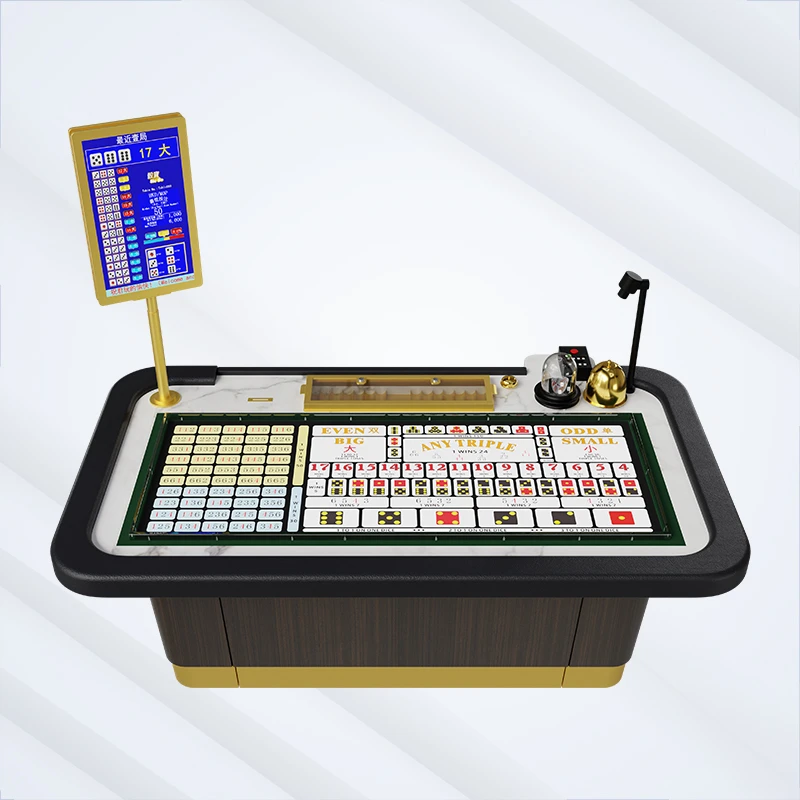
A sic bo table layout is the organized grid of betting positions printed or embroidered onto the felt surface of a sic bo table. It maps out every possible wager — from Big/Small and Odd/Even to specific triples and combination bets — so that players can place chips quickly and dealers can settle bets without confusion. The layout is the single visual element that every player and dealer interacts with on every roll, making its clarity and durability critical to table revenue.
According to the Macau Gaming Inspection and Coordination Bureau (DICJ), sic bo accounts for approximately 12% of total table game revenue in Macau casinos as of their 2025 annual report. With that volume of action, even minor layout ambiguities can slow down game pace and create disputes that eat into hourly hands-per-hour metrics.
Standard Sic Bo Betting Layout Zones
Every professional sic bo layout divides its surface into distinct betting zones. Understanding these zones helps operators evaluate whether a given layout matches their house rules and target player demographics.
Small and Big Bet Zones
The Small (totals 4–10) and Big (totals 11–17) zones sit at the top of most layouts. These even-money bets are the most popular wagers on the table, so their placement prioritizes visibility and easy chip access. A well-designed layout positions these zones with generous chip placement area, since they attract the highest volume of bets per roll.
Triple and Specific Triple Sections
Triple bets — wagering that all three dice show the same number — occupy a dedicated section, typically along one side of the layout. Specific triples (e.g., triple 2s) carry the highest payouts at 150:1 to 180:1 depending on jurisdiction, while any triple pays 24:1 to 30:1. The layout must clearly distinguish between “any triple” and “specific triple” positions to prevent mis-settled bets.
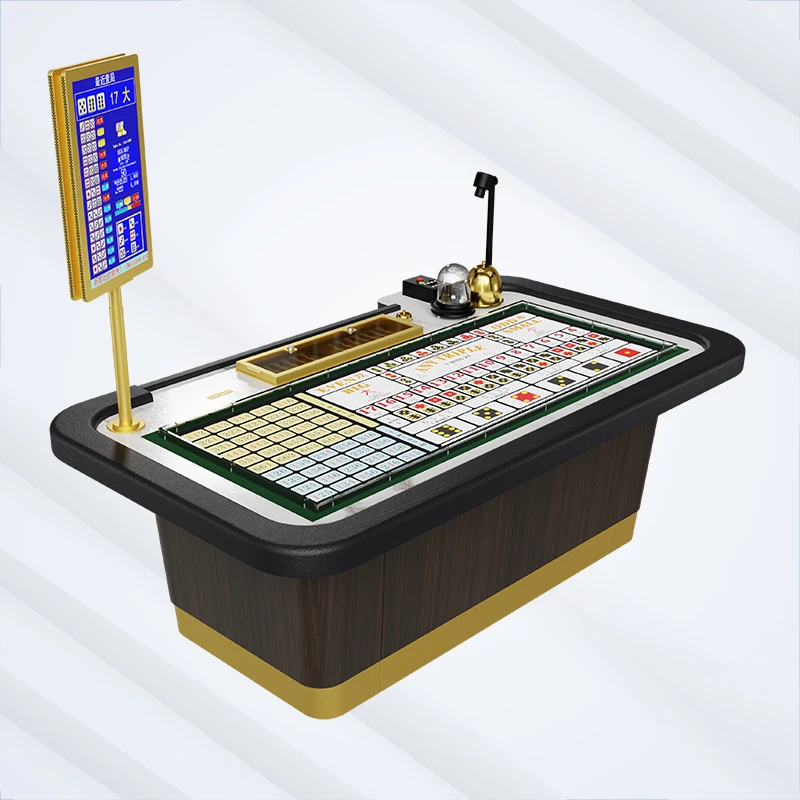
Total Bet Rows (4 through 17)
Total bets let players wager on the exact sum of the three dice, ranging from 4 to 17. Each total has a different probability and payout, which the layout must display alongside each position. Payouts range from 50:1 for 4 or 17 down to 6:1 for 10 or 11. The layout should print payout ratios directly in each cell so dealers and players can verify at a glance.
Combination and Pair Betting Areas
Combination bets (two specific numbers appearing on any two of the three dice) and pair bets (two of the three dice showing the same number) occupy the remaining space. These zones require clear labeling because their payout structures differ: combinations typically pay 5:1, while pairs pay 8:1. Crowding these zones into small areas leads to chip overlap disputes during busy periods.
Sic Bo Table Dimensions and Layout Proportions
Standard sic bo tables follow dimension guidelines established by major gaming jurisdictions. While there is no single universal standard, most professional tables fall within these ranges:
- Full-size table: 220–260 cm long × 130–160 cm wide × 75–80 cm high
- Compact table: 180–200 cm long × 110–130 cm wide × 75–80 cm high
- Layout felt area: Approximately 180–220 cm × 90–120 cm on full-size tables
The layout felt area determines how much space each betting zone receives. On a full-size table, the Small/Big zones typically measure 25–30 cm × 20–25 cm each, giving players sufficient room to stack chips without overlapping adjacent bets. Compact tables reduce these zones by 15–20%, which can create congestion during peak hours.
Operators running high-traffic sic bo tables should prioritize full-size dimensions. According to a 2024 study presented at the Global Gaming Expo (G2E) in Las Vegas, tables with larger betting zones processed 8–12% more hands per hour compared to compact tables, because dealers spent less time resolving chip placement disputes.
Materials Used in Sic Bo Table Layouts
The felt material directly impacts layout longevity, visual clarity, and maintenance costs. Three primary materials dominate the market:
Traditional Wool Blend Felt
Wool blend felt remains the most common material for sic bo layouts. It offers a natural texture that chips grip well, reducing accidental chip displacement. However, wool felt absorbs spills and shows wear patterns in high-traffic zones (especially the Small/Big areas) within 6–12 months of continuous play.
Synthetic Microfiber Felt
Microfiber layouts resist staining and wear better than wool blends, with a typical lifespan of 18–24 months under heavy use. The smoother surface allows easier chip movement, which some dealers prefer for rapid bet settlement. The trade-off is that chips may slide more on steep table angles, requiring level table calibration.
PVC and Synthetic Leather Surfaces
Some operators opt for PVC or synthetic leather layouts, particularly in humid climates where traditional felt degrades quickly. These surfaces clean easily and resist moisture damage, but the harder texture can make chip stacking less stable. They work best when paired with heavier clay-composite chips that resist sliding.
For operators evaluating material choices, browse our sic bo table layout collection to compare available material options and configurations.
Customization Options for B2B Operators
Custom sic bo layouts let operators differentiate their gaming floors and optimize for local player preferences. Key customization areas include:
Betting Zone Modifications
Operators can adjust which bet types appear on the layout and how prominently they are displayed. For example, Macau-style layouts often emphasize specific triples more prominently than layouts designed for Southeast Asian markets, where combination bets receive more visual space. Layout designers can reposition zones to match the betting patterns of your typical clientele.
Branding and Color Schemes
Custom layouts support branded color palettes, logo placement in non-betting areas, and decorative borders that match the venue’s interior design. The most common customization is shifting from the traditional green felt to navy blue, burgundy, or black backgrounds, which create a more upscale aesthetic and reduce visible staining over time.
Integrated Technology Zones
Modern sic bo layouts can incorporate RFID antenna zones beneath the felt to enable automated chip tracking and bet verification. These RFID-ready layouts include designated sensor positions that align with the betting zones, allowing the system to detect chip positions and amounts in real time. For a deep dive into how this technology works, see our article on our article on RFID-integrated casino table layouts.
Language and Payout Display
Layouts can be printed in multiple languages or with bilingual labels to accommodate international clientele. Payout ratios can also be customized to reflect house-specific rules — useful for operators running promotional payouts or non-standard pay tables that differ from baseline jurisdictional requirements.
Common Mistakes When Ordering Custom Sic Bo Layouts
B2B buyers frequently make the following errors when specifying custom layouts:
- Overcrowding zones: Adding too many bet types or visual elements into a limited felt area creates confusion and slows game pace. Stick to the core betting positions unless your player base specifically demands exotic side bets.
- Ignoring chip size compatibility: Layout zone sizes must match the diameter of your chips. Standard casino chips are 39–40 mm; if your venue uses 43 mm chips, each betting zone needs proportional expansion.
- Choosing style over function: Dark felt with low-contrast printing may look elegant but makes zone boundaries hard to read under typical casino lighting. High-contrast printing between zone borders and bet labels is essential for operational speed.
- Skipping the proofing stage: Always request a full-scale printed proof before production. Digital mockups do not reveal how colors and text appear under casino-grade LED lighting with UV filters.
How to Choose the Right Sic Bo Layout Supplier
Selecting a layout supplier involves evaluating three factors: print quality, material options, and customization flexibility. Print quality determines how long payout text and zone borders remain legible under continuous play. Material options dictate replacement frequency and total cost of ownership. Customization flexibility determines whether the supplier can accommodate non-standard table dimensions, special bet types, or RFID integration.
For operators who need complete table solutions rather than just layouts, the Professional Casino Sic Bo Gaming Table comes with a pre-installed custom layout, automatic electric dice shaker, and LED result display — reducing procurement complexity to a single vendor relationship.
Operators outfitting an entire gaming floor should also consider matching their sic bo tables with complementary equipment. Pair your sic bo tables with quality our RFID poker chips collection for integrated chip tracking, or explore our casino gaming table collection for coordinated table designs across all game types. If you are also running baccarat tables, see our article on our guide to designing a high-efficiency baccarat pit layout for integrated floor planning.
A sic bo roadmap display is another critical companion to the table layout, providing players with real-time trend data that accelerates betting decisions. Browse our sic bo roadmap display collection for compatible models.
Frequently Asked Questions About Sic Bo Table Layouts
What are the standard dimensions of a sic bo table layout?
A standard sic bo table layout measures approximately 180–220 cm long by 90–120 cm wide on a full-size table. Compact tables use layouts around 150–180 cm × 80–100 cm. The layout dimensions must match the table frame precisely to prevent wrinkling and ensure all betting zones remain flat and readable.
Can a sic bo layout be customized for different payout structures?
Yes, custom sic bo layouts can display any payout structure the operator specifies. Payout ratios are printed directly into each betting zone, so the layout reflects your house rules exactly. This is particularly useful for operators running promotional rates or jurisdiction-specific pay tables that differ from the standard Macau or Nevada schedules.
How often should a sic bo table layout be replaced?
A sic bo table layout should be replaced every 6–18 months depending on traffic volume and material quality. Wool blend felt in high-traffic zones typically shows significant wear within 6–12 months, while synthetic microfiber layouts last 18–24 months under comparable use. The DICJ recommends annual layout inspection as part of standard gaming floor maintenance audits.
What is the difference between a printed and embroidered sic bo layout?
A printed sic bo layout uses dye-sublimation or screen printing to apply bet zones and text onto the felt surface, offering crisp detail and full color flexibility at lower cost. An embroidered layout stitches bet zone borders and key text directly into the felt, producing a more tactile surface with superior durability. Embroidered layouts cost 30–50% more but resist fading and wear significantly better than printed alternatives.
Can RFID technology be integrated into a sic bo table layout?
Yes, RFID-ready sic bo layouts embed antenna arrays beneath the felt surface that align with each betting zone. These antennas detect the presence and value of RFID-tagged chips placed on the layout, enabling real-time bet tracking, automatic payout calculation, and counterfeit chip detection. The RFID components do not affect the visual appearance or playability of the layout.