Why Casino Card Shufflers Matter for Floor Operations
Every hand dealt at a casino table depends on one assumption: the deck is random. When that assumption breaks — whether through dealer fatigue, deliberate manipulation, or a poorly maintained manual shuffle — the integrity of the entire game collapses. Card shuffler machines exist to guarantee randomness, eliminate human error, and protect the house edge against advantage play and cheating rings.
In high-volume gaming environments from Macau to Las Vegas, automatic card shufflers have moved from optional upgrades to essential equipment. Pit managers who deploy continuous shuffling machines report faster game pace, fewer disputes, and measurably lower exposure to card-counting and shuffle-tracking attacks. This article examines the technology, selection criteria, and operational impact of casino card shuffler machines so procurement teams can make confident capital expenditure decisions.
How Continuous Shuffling Machines Work
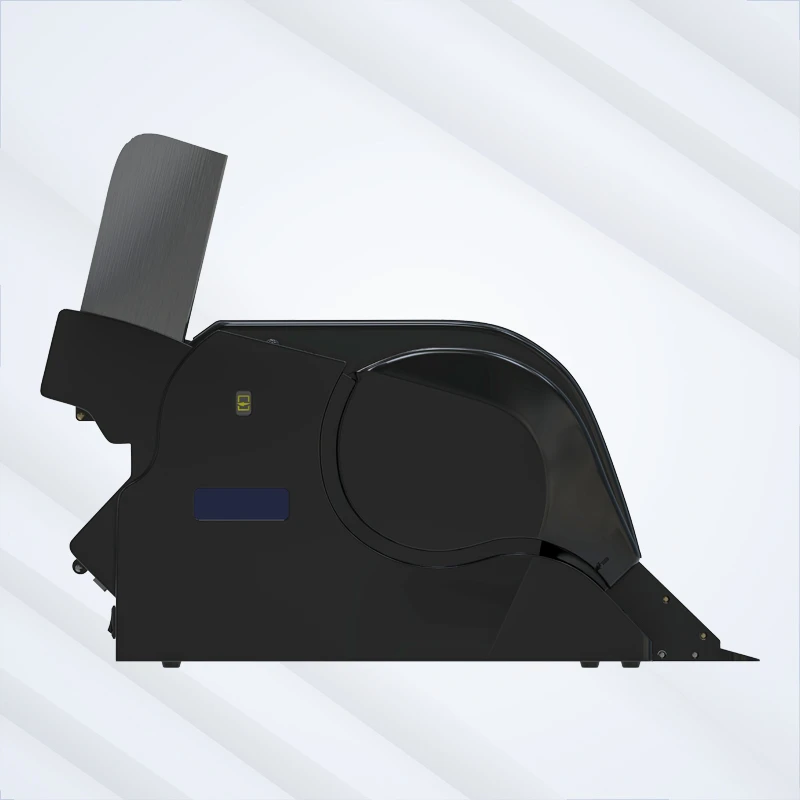
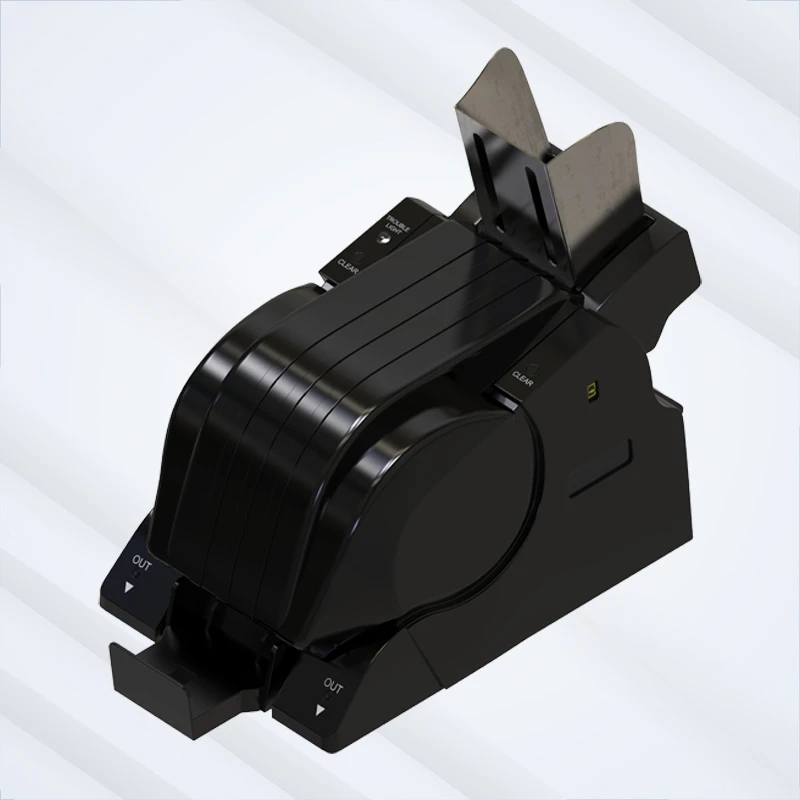
A continuous shuffling machine (CSM) operates on a fundamentally different principle from a batch shuffler. Instead of shuffling a complete deck offline and then inserting it into the shoe, a CSM continuously feeds played cards back into the shuffle mechanism during live play. The dealer inserts each hand’s cards into the top slot; the machine’s internal rotor redistributes them among the card stack, and the next card exits from the bottom in a randomized position.
This cycle runs throughout the game with no pause between hands. Because cards from previous hands re-enter the deck almost immediately, a CSM effectively creates an infinite shoe. No card is ever “out of play” long enough for a counter to track — which is why CSMs are the most effective tool against card counting in blackjack. For operators seeking specific models, browse our casino card shuffler collection to compare specifications and configurations.
Batch Shufflers vs. Continuous Shufflers
Batch shufflers (also called random shuffle machines or RSMs) shuffle one or more complete decks in a chamber, then present the shuffled deck for dealing. They offer strong randomization and are preferred for baccarat and poker, where dealing from a fixed multi-deck shoe is the standard procedure. Batch shufflers excel at eliminating false shuffles and pre-arranged decks — a critical anti-fraud function covered in detail in our article on baccarat electronic shoe anti-fraud technology.
Continuous shufflers, by contrast, are optimized for blackjack and other games where hand speed and card-counting prevention are the top priorities. The table below summarizes the key differences:
| Feature | Batch Shuffler | Continuous Shuffler |
|---|---|---|
| Shuffle method | Shuffles full deck offline | Continuously cycles cards during play |
| Game type | Baccarat, poker, Pai Gow | Blackjack, casino war |
| Card counting defense | Moderate (fresh deck each shoe) | Maximum (infinite shoe effect) |
| Game speed impact | Pause during shuffle cycle | No pause between hands |
| Deck capacity | 1–8 decks | 4–6 decks typical |
Anti-Cheating Protection Built Into Modern Shufflers
Casino card shufflers do more than randomize — they serve as the first line of defense against multiple attack vectors that target the shuffle process itself.
Eliminating False Shuffles
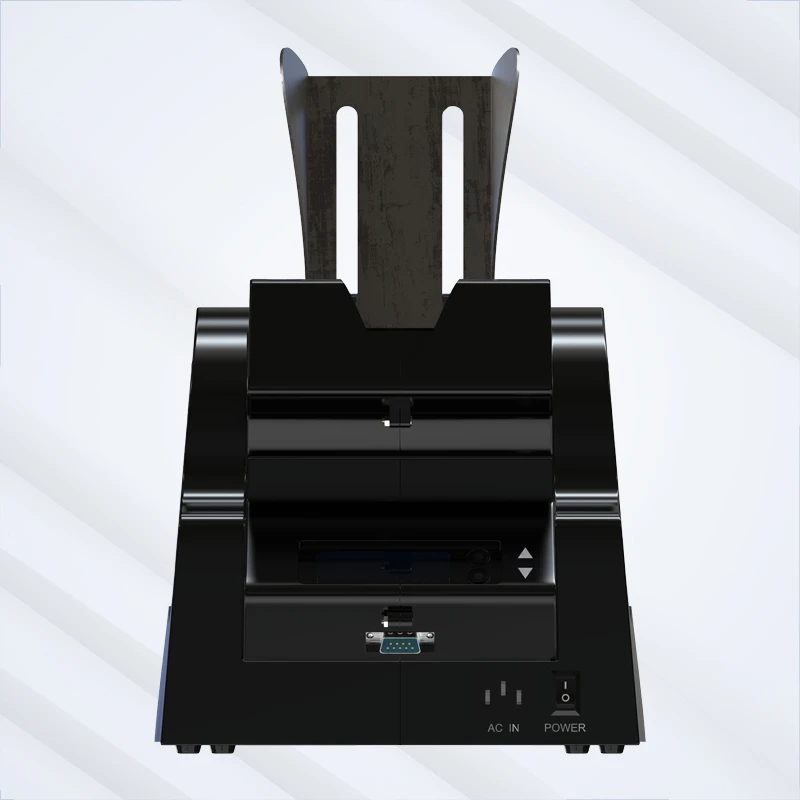
A false shuffle is one of the oldest and most effective cheating techniques: the dealer appears to shuffle the deck while preserving a pre-arranged sequence. Organized teams have used false shuffles to extract millions from casinos worldwide. When an automatic shuffler handles the randomization, the dealer never touches the deck between the cut and the deal. The machine’s internal mechanism — typically a multi-level rotor with staggered shelves — physically prevents any human from controlling card order. This single feature eliminates false shuffles as an attack vector.
Preventing Shuffle Tracking
Shuffle tracking is an advanced technique where a player follows groups of cards (called “slugs”) through the shuffle by observing the dealer’s technique. On a manual shuffle, a skilled tracker can identify where a clump of high cards ends up and adjust betting accordingly. CSMs defeat shuffle tracking completely because each card re-enters the shuffle in real time and is redistributed among hundreds of other cards before it can reappear. The slug is broken the moment it enters the machine.
Neutralizing Card Counting
Card counting in blackjack depends on tracking which cards have been removed from play. A traditional shoe creates a “penetration point” — the depth at which the shoe is reshuffled — that counters exploit to gain an edge late in the shoe. CSMs remove this advantage entirely because every hand is dealt from a freshly re-randomized pool. Studies of blackjack operations show that CSMs reduce the counter’s edge to effectively zero, compared to a potential 1–2% edge against a manually shuffled six-deck shoe with deep penetration.
Game Pace and Revenue Impact
Beyond security, card shufflers directly affect table revenue through game pace. In blackjack, a CSM eliminates the 30–90 second shuffle break between shoes. On a busy table dealing 60 hands per hour with a manual shuffle, switching to a CSM can push that number to 70–80 hands — a 15–30% increase in hand volume. For a table with an average bet of $100 and a house edge of 0.5%, those extra hands translate to $500–$1,000 more per table per hour.
The revenue gain is less dramatic for batch shufflers used in baccarat, since those games already operate with a fixed shoe. The benefit there comes primarily from anti-fraud protection and dealer error reduction. For a complete picture of how equipment choices affect floor performance, see our article on casino pit efficiency metrics.
Key Specifications for Procurement
When evaluating card shuffler machines for your gaming floor, focus on these technical and operational specifications:
Deck Capacity
Match the shuffler’s capacity to your game type. Blackjack tables typically use 4–6 deck CSMs. Baccarat requires 6–8 deck batch shufflers. Verify that the machine can accommodate the number of decks your table rules mandate without overflow or jamming. For a versatile option that handles 1–8 decks across all game types, consider the 8 Deck Snail Professional Casino Card Shuffler, which supports continuous shuffling for blackjack, baccarat, and poker on a single unit.
Shuffle Speed and Cycle Time
For batch shufflers, cycle time is the total duration from inserting a deck to presenting the shuffled output. Top-performing units shuffle an 8-deck set in under 90 seconds. For CSMs, the relevant metric is card throughput — how quickly the machine can accept a played card and deliver the next randomized card. Look for throughput under 2 seconds per card.
Sensor and Error Detection
Modern shufflers include optical sensors that detect card jams, foreign objects, and incorrect deck counts. Machines that auto-lock on error and require supervisor reset provide stronger game protection than those that simply flash a warning light. This aligns with the error-handling approach described in our article on baccarat electronic shoe anti-fraud technology, where auto-shutdown on anomaly is a critical safeguard.
Card Compatibility
Not all shufflers handle both paper and plastic cards equally well. If your floor uses a mix of card types — or if you plan to switch — confirm that the machine’s feed mechanism and sensor array work reliably with both. For guidance on card selection, our guide to custom casino playing cards covers security and durability considerations.
Physical Footprint and Table Integration
Measure the shuffler’s footprint against your table layout before purchasing. Some CSMs mount on a dedicated shelf; others sit on the table surface and reduce player seating. The physical design should integrate cleanly with your existing casino gaming table collection without requiring structural modifications.
Deployment Best Practices
Installing card shufflers is not a plug-and-play operation. Successful deployment requires coordination between procurement, pit management, surveillance, and dealer training.
Staff Training
Dealers must learn how to load cards correctly, clear jams, and operate the machine’s mode-selection controls. Incorrect loading is the number-one cause of shuffler malfunctions on the floor. Schedule hands-on training sessions before any machine goes live on a revenue table.
Sensor Calibration
Optical sensors must be calibrated to the specific card stock used on your floor. Paper cards, plastic cards, and cards with security markings reflect light differently. An uncalibrated sensor will generate false error alerts or, worse, fail to detect a jammed card.
Surveillance Coordination
Camera angles must be adjusted to provide clear views of the shuffler’s card input and output slots. Surveillance teams need to confirm that dealers are inserting all cards and not selectively withholding them. For a broader discussion of how surveillance technology supports game integrity, our article on casino surveillance technology covers smart camera systems and AI analytics.
Maintenance and Longevity
Card shufflers are mechanical devices operating in a high-use environment. A machine on a busy blackjack table may process 50,000 cards per day. Preventive maintenance is essential to keep them running reliably.
Follow the manufacturer’s recommended service intervals for cleaning the card transport path, lubricating moving parts, and inspecting the optical sensor array. Dust and card debris accumulate quickly inside the shuffle chamber and can cause sensor misreads or card jams. Schedule monthly deep cleans and keep at least one spare unit per pit to swap in during service without losing table uptime.
For operators sourcing both shufflers and the playing cards they process, browse our casino playing cards collection to find card stock engineered for compatibility with automatic shuffling machines.
The ROI Case for Automatic Card Shufflers
The capital expenditure for a commercial-grade card shuffler ranges from $1,500 to $5,000 per unit, depending on model, capacity, and order volume. Against this cost, operators gain quantifiable returns across three dimensions:
Revenue acceleration: A 15% increase in hands per hour on a $100-average-bet blackjack table generates roughly $750–$1,500 in additional daily revenue per table. The shuffler pays for itself within the first week of operation.
Loss prevention: A single detected card-counting incident on a high-limit table can save tens of thousands in a single session. The preventive effect of CSMs — which deters counters from even sitting down — provides ongoing, invisible protection.
Dealer error reduction: Misdeals, incorrect payouts, and shuffle disputes cost casinos both revenue and player trust. Shufflers standardize the deal process, reducing error-related losses by an estimated 30–40% compared to manual operations.
For operators considering a broader equipment upgrade that pairs shufflers with electronic dealing shoes, browse our electronic shoe collection to evaluate compatible models that integrate with shuffler data output.
Frequently Asked Questions
Do card shufflers truly produce random results?
Yes. Modern casino card shufflers use multi-level rotor mechanisms and randomized shelf assignments that produce mathematically verified random distributions. Independent testing labs such as GLI and BMM Testlabs certify these machines to stringent randomness standards before they are approved for casino use.
Can continuous shuffling machines be used in baccarat?
CSMs are generally not used in baccarat because the game depends on dealing from a fixed multi-deck shoe where players track results via the roadmap display. Batch shufflers are the standard for baccarat, since they prepare a complete shoe offline while preserving the hand-by-hand sequence that baccarat players expect.
How long do casino card shufflers last?
With proper maintenance, a commercial-grade shuffler typically lasts 5–7 years under heavy daily use. Key wear components — the drive belt, optical sensor, and card feed rollers — should be replaced every 12–18 months as part of a scheduled maintenance program.
Do shufflers work with both paper and plastic playing cards?
Most modern shufflers accommodate both card types, but the machine must be calibrated for the specific card stock. Plastic cards have a different coefficient of friction and thickness compared to paper cards, which affects how the feed mechanism transports them. Always verify card compatibility with the manufacturer before purchasing.
Are card shufflers required by gaming regulators?
Requirements vary by jurisdiction. Macau’s DICJ does not mandate shufflers, but strongly recommends automated shuffling for high-limit tables. Several US states require either a shuffler or a documented manual shuffle procedure. Casinos that adopt shufflers proactively position themselves ahead of tightening regulatory trends worldwide.