Baccarat remains the highest-revenue table game in major gaming markets worldwide, and the quality of your baccarat equipment directly impacts game integrity, dealer efficiency, and player trust. For casino operators and procurement managers, understanding the technical specifications of each component — from dealing shoes to chip trays — is essential for making informed purchasing decisions that affect floor operations for years.
According to the Nevada Gaming Control Board’s 2024 Gaming Abstract, baccarat accounted for approximately 18.5% of total table game win across Nevada casinos, generating over $1.2 billion in annual revenue. In Macau, the Gaming Inspection and Coordination Bureau (DICJ) reported that baccarat represents roughly 65% of all gross gaming revenue. These figures underscore why investing in the right baccarat equipment is not merely a procurement decision but a strategic operational priority.
This guide examines the five core categories of baccarat equipment that every modern casino pit requires, with detailed technical breakdowns of materials, functionality, and integration capabilities.

Baccarat Dealing Shoes: From Manual to Electronic Intelligence
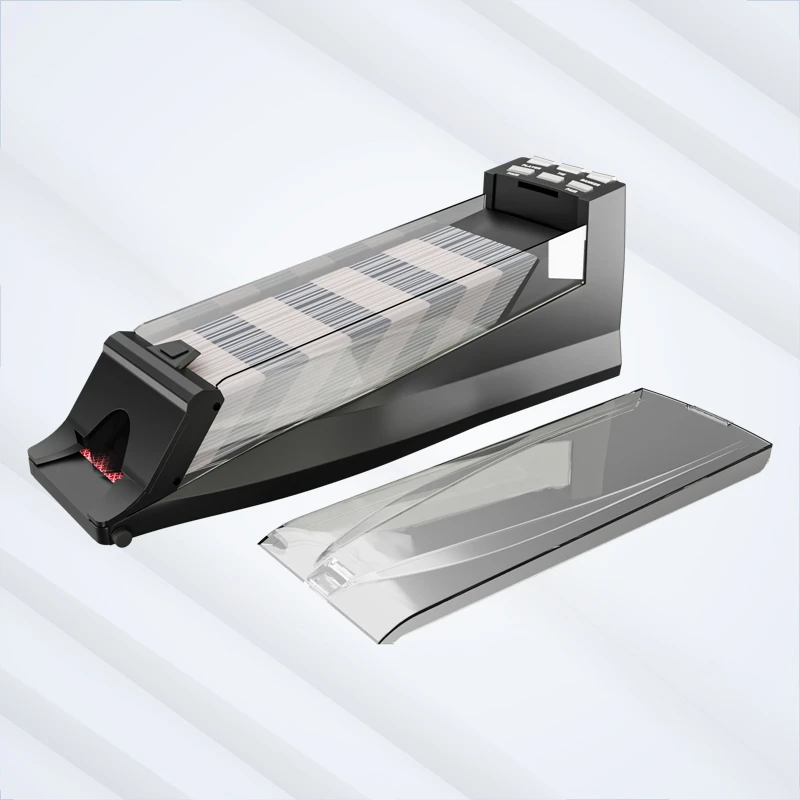
The baccarat dealing shoe is the single most handled piece of equipment at any baccarat table. Traditional manual shoes are constructed from acrylic or wood and serve the basic function of holding and dispensing cards. However, the industry has shifted decisively toward Electronic Baccarat Shoe systems that integrate card recognition technology directly into the dealing workflow.
Modern electronic dealing shoes use optical sensors or RFID readers embedded in the card feed path to identify each card as it exits the shoe. This enables automatic game result calculation, real-time display of winning outcomes (Player, Banker, or Tie) via LED indicators, and direct data transmission to the casino’s roadmap display system. The DS04 Electronic Baccarat Shoe, for example, supports 8-deck capacity and features automatic card recognition that eliminates manual entry errors.
From an operational standpoint, electronic shoes reduce dealer workload by an estimated 15–20% during each dealing round, according to a 2023 study published in the UNLV Gaming Research & Review Journal. This efficiency gain translates to approximately 12 additional hands per hour per table — a meaningful revenue impact across a full pit of baccarat tables operating 24 hours daily.
Baccarat Table Layouts: Material Standards and Customization
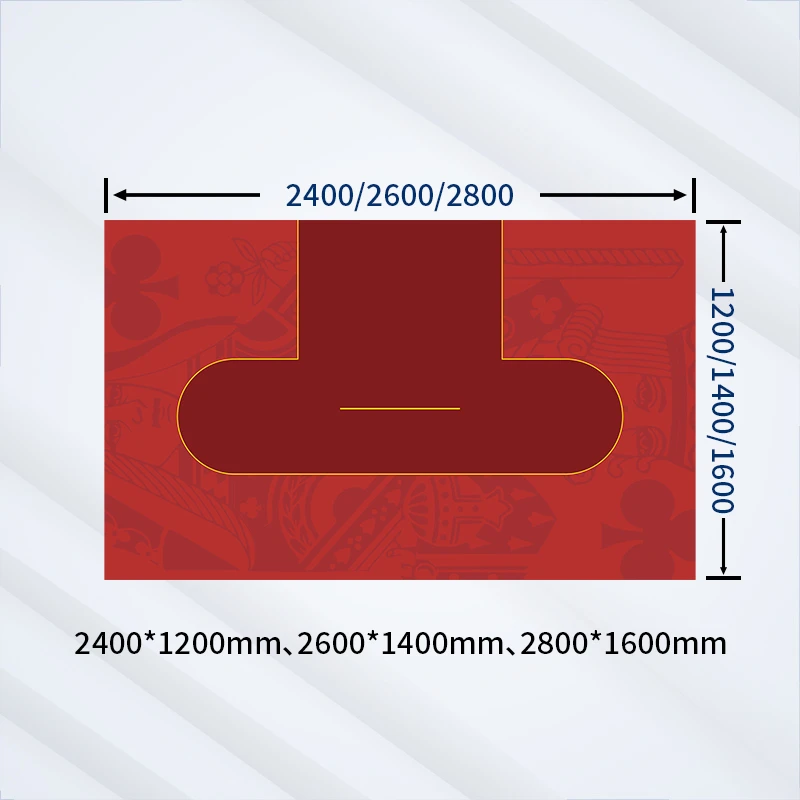
The baccarat table layout is the felt surface that defines betting positions, game markings, and visual presentation. Professional layouts are manufactured using heat-transfer sublimation printing on three-proof (waterproof, dustproof, and flame-retardant) felt cloth. This printing method ensures that markings remain crisp and legible even after thousands of hands and repeated cleaning cycles.
Standard baccarat layout dimensions range from 2400–2800 mm in length and 1200–1600 mm in width, accommodating the standard 7-seat player configuration. Layouts must comply with regulatory marking requirements, including clearly defined Player and Banker betting areas, commission betting zones, and tie betting sections. Custom layouts can incorporate casino logos, brand colors, and side-bet markings for variants such as Dragon Bonus and Lucky 6.
For operators seeking specialized layouts, the our baccarat table layout collection offers options ranging from standard felt layouts to waterproof and dustproof variants designed for high-humidity environments. The Casino Waterproof and Dustproof Baccarat Dragon Tiger Gaming Table Layout is specifically engineered for markets where environmental conditions accelerate felt degradation.
Material quality directly impacts layout lifespan. According to testing data from the Gaming Standards Association, premium sublimation-printed layouts maintain color integrity for approximately 2,500–3,000 operating hours, compared to 800–1,200 hours for standard screen-printed alternatives. For a baccarat table operating 16 hours daily, this translates to a 6-month versus 2-month replacement cycle — a significant cost differential over a multi-table pit. For deeper insights into material specifications, refer to our guide to casino gaming table layouts.

Casino Card Shufflers: Continuous Shuffling vs. Batch Shuffling
Automatic card shufflers are critical for maintaining game pace and preventing card-counting advantages. Two primary shuffling technologies dominate the baccarat market: continuous shuffling machines (CSMs) and batch automatic shufflers.
Continuous shuffling machines, such as the CS04 Casino Card Shuffler, constantly shuffle cards as they are returned to the machine after each round. This eliminates the possibility of sequential card tracking and reduces shuffle downtime to near zero. CSMs are the preferred choice for high-volume baccarat tables where maximizing hands per hour is the primary operational goal.
Batch automatic shufflers, such as the CS09 Professional 8-Deck model, shuffle an entire deck set simultaneously while the dealer uses a pre-shuffled set for the current round. This dual-deck approach maintains game pace while allowing a more thorough shuffle. Batch shufflers are typically favored in premium and VIP baccarat rooms where players perceive a higher level of fairness from complete deck shuffling.
The choice between CSM and batch shuffling affects both game speed and player perception. A 2022 analysis by the Center for Gaming Research at UNLV found that tables using CSMs averaged 72 hands per hour, compared to 60 hands per hour for batch-shuffled tables — a 20% throughput advantage that directly correlates to table revenue.
Dealer Chip Trays: Security Features and Capacity Planning
The dealer chip tray is the central repository for gaming chips at the table and serves as a critical security checkpoint. Modern chip trays have evolved from simple plastic organizers to sophisticated components with locking mechanisms and integrated RFID sensing capabilities.
The Casino Double Layer Metal Dealer Chip Tray exemplifies the current standard for professional baccarat operations. With a 1,000-chip capacity across two tiers, this tray enables dealers to manage multiple denominations efficiently while the locking cover provides an additional layer of security during dealer rotations and table closures.
Key specifications to evaluate when sourcing chip trays include:
- Material: Aircraft-grade aluminum or steel construction resists deformation and provides tamper resistance
- Capacity: 500–1,000 chips depending on denomination mix and table limit structure
- Locking mechanism: Cam-lock or dual-point locking systems prevent unauthorized access
- Chip slot dimensions: Must match chip diameter (standard: 39mm for casino chips, 40mm for oversized)
- Integration readiness: RFID-compatible trays allow future upgrade to smart chip tracking without hardware replacement
For high-limit baccarat tables, RFID-enabled chip trays provide real-time inventory tracking and automated reconciliation. According to a 2024 whitepaper by Gaming Laboratories International (GLI), casinos implementing RFID chip tray systems reported a 94% reduction in chip-counting discrepancies during shift changes, with average reconciliation time dropping from 22 minutes to under 3 minutes per table.
Baccarat Roadmap Display Systems: Data Visualization for Players and Pit Managers
The baccarat roadmap display system is an electronic scoreboard that presents game history in standardized bead plate, big road, and derived roadmap formats. While players use these displays to track betting patterns, pit managers rely on them for game monitoring and performance analysis.
Modern baccarat display systems have evolved from simple LED bead boards to sophisticated dual-sided LCD panels with dynamic lighting effects. Key features to consider include:
- Display size: 27-inch or 32-inch dual-sided panels for visibility from all seating positions
- Roadmap variants: Support for Big Road, Big Eye Boy, Small Road, and Cockroach Pig derived roads
- Game variant support: Multi-game capability for baccarat, dragon tiger, and niu niu on a single display
- Integration: Direct data feed from electronic dealing shoes eliminates manual entry
- Power protection: Built-in UPS or surge protection prevents data loss during power interruptions
The EC07 series baccarat roadmap systems offer modular configurations ranging from basic single-display setups to multi-screen installations with jackpot integration. For operators running multiple table variants, the ability to switch between game-specific roadmap displays without hardware changes provides significant cost savings.
Playing Cards for Baccarat: Material Science and Performance
Baccarat uses standard 52-card decks, typically 8 decks shuffled together. The material composition of these cards directly affects dealing speed, durability, and resistance to marking. Casino-grade playing cards are manufactured using either paper-based core stock or 100% plastic materials.
Paper cards use black core or blue core construction to prevent opacity — cards held up to a light source should not reveal their face value. German black core paper (310g) is considered the premium standard, offering superior opacity, snap, and handling characteristics. China blue core paper (280g) provides a cost-effective alternative with adequate performance for mid-tier operations.
Plastic cards, typically made from PVC or cellulose acetate, offer significantly longer lifespan — up to 50 times that of paper cards — and are fully waterproof. However, some dealers and players prefer the tactile feedback of paper cards, which provide a more traditional feel during dealing and shuffling.
For detailed specifications on card materials and sourcing considerations, see our article on casino playing cards material science. Operators looking for product options can explore our casino playing cards collection.
Baccarat Table Construction: Frame, Felt, and Ergonomics
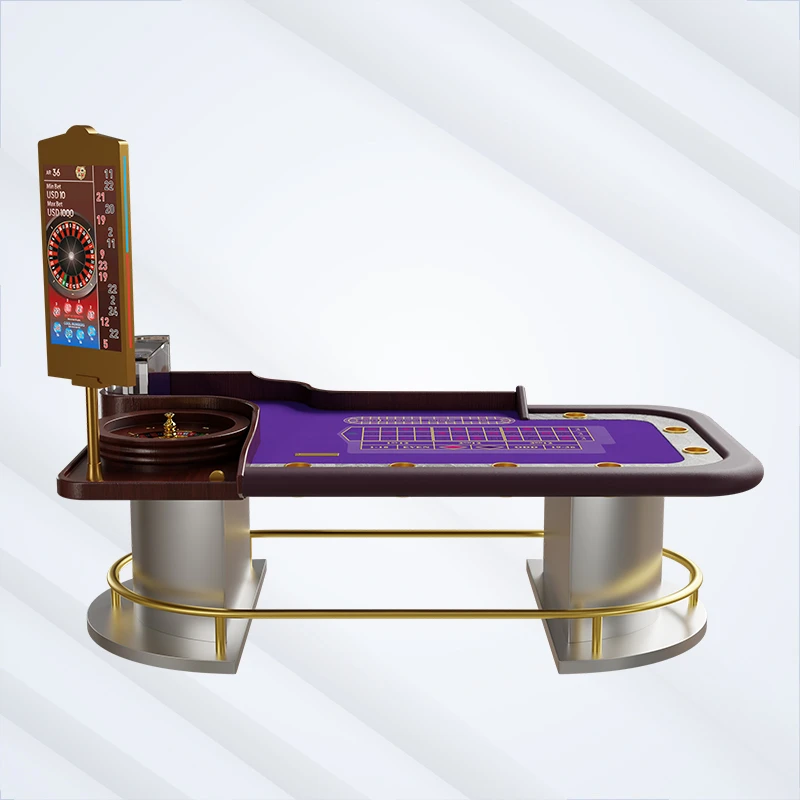
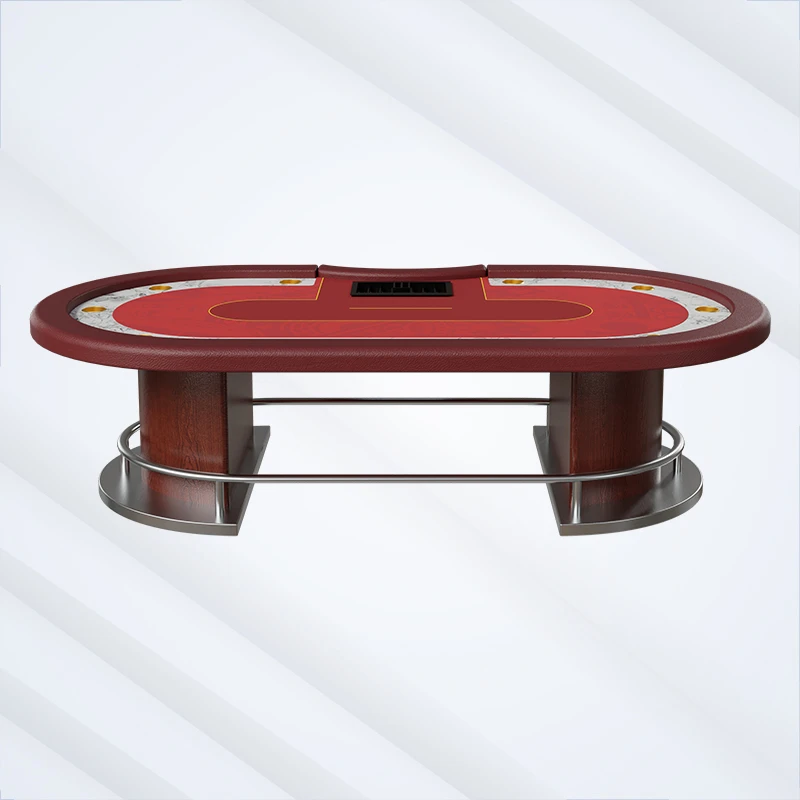
The baccarat table itself is the foundation that supports all other equipment components. Professional baccarat tables are constructed with solid wood frames (typically oak or maple), high-density foam padding under the felt, and stainless steel or aluminum rail systems. The standard baccarat table measures approximately 3,000 mm in length for a 7-seat configuration.
The Luxury Casino Baccarat Table represents the upper tier of table construction, featuring customizable wood finishes, integrated dealer station lighting, and pre-configured mounting points for electronic shoes, chip trays, and roadmap displays. Tables designed for RFID integration include embedded antenna arrays beneath the felt that enable real-time chip tracking without visible hardware.
Ergonomic considerations are equally important. Dealer station height, chip tray positioning, and card shoe placement must conform to occupational health standards to reduce repetitive strain injuries. A study by the University of Nevada, Las Vegas School of Public Health found that 34% of casino dealers reported musculoskeletal discomfort related to table ergonomics, with improper equipment placement cited as the primary contributing factor.
FAQ: Baccarat Equipment for Casino Operators
What is the expected lifespan of a professional baccarat table layout?
A professional heat-transfer sublimation-printed baccarat table layout typically lasts 2,500–3,000 operating hours under normal conditions. For a table running 16 hours per day, this translates to approximately 5–6 months before replacement. Factors that accelerate wear include high humidity, aggressive cleaning chemicals, and heavy chip traffic across the betting areas.
How does an electronic baccarat dealing shoe improve game integrity?
An electronic baccarat dealing shoe uses embedded optical or RFID sensors to read each card as it is dealt, automatically calculating and displaying game results. This eliminates manual result entry errors, prevents dealer-player collusion on outcome reporting, and creates a tamper-evident digital record of every hand that can be reviewed during audits.
Should a casino choose a continuous shuffling machine or a batch shuffler for baccarat?
The choice depends on operational priorities. Continuous shuffling machines maximize hands per hour (approximately 72 vs. 60 for batch shufflers) and eliminate sequential card tracking, making them ideal for high-volume main floor tables. Batch shufflers provide a more thorough shuffle and are preferred in VIP rooms where player perception of fairness is paramount. Many operators deploy both types across different table tiers.
Conclusion
Equipping a baccarat pit requires careful coordination across multiple equipment categories, each with distinct technical specifications and operational implications. The integration of electronic dealing shoes, RFID-compatible chip trays, continuous shuffling machines, and roadmap display systems transforms a traditional baccarat table into a data-generating platform that enhances both security and operational efficiency.
For procurement managers, the key decision framework should prioritize equipment compatibility — ensuring that dealing shoes, display systems, and chip tracking technologies can communicate seamlessly. Investing in integrated systems rather than standalone components reduces long-term maintenance costs and provides a clearer path to future technology upgrades such as full RFID table implementation and AI-powered game monitoring.