Professional Blackjack Table: Casino-Grade Specifications, Dimensions, and Buying Guide
Every serious gaming floor starts with a professional blackjack table — and the difference between a commercial-grade unit and a home or bar table is measurable in millimeters, materials, and margin. A professional blackjack table is engineered for thousands of hands per week: a semicircular seven-player layout, a reinforced hardwood frame, a dealer station with drop box and chip tray, and a felt surface printed with exact payout and house-rule markings. Get the specifications right and the table serves your floor for a decade; get them wrong and you will be replacing felt, rails, and whole tables within two years.
This guide is written for casino operators, club owners, and procurement teams who need to compare supplier quotes with confidence. We cover standard dimensions, layout printing, dealer-side equipment, structural materials, compliance requirements, and the customization options available on factory orders.
To see how blackjack fits the wider procurement picture, read our guide to casino gaming table specifications, and if you plan to track chips electronically, our guide to RFID casino chips explains the technology side of a modern pit.

What Defines a Professional Blackjack Table?
A professional blackjack table is purpose-built commercial gaming equipment, not a dining table dressed in felt. The defining features are structural: a semicircular playing surface that lets one dealer serve up to seven players, a recessed dealer station, and security hardware such as a locked drop box and a calibrated chip tray. Every component is specified for continuous operation, from the rail padding that absorbs thousands of arm rests per day to the layout print that must stay legible under bright casino lighting for years.
Construction separates commercial units from consumer furniture. Professional frames use kiln-dried hardwood — typically oak, maple, or mahogany — with boards 25-40mm thick joined by mortise-and-tenon techniques and industrial adhesives. The base is a heavy steel pedestal or four reinforced legs with adjustable levelers, bringing the assembled table to roughly 150-300kg so it stays planted during fast-paced play. The rail uses high-density foam in the 40-50 kg/m³ range covered in synthetic leather, giving players comfortable arm support without obstructing the dealer’s reach.
The lifespan gap is just as clear. A well-maintained professional blackjack table runs 8-12 years, with felt replacement every 12-18 months in busy pits. Consumer-grade tables built with MDF cores and thin veneers typically show structural fatigue within 18-24 months of commercial use — a difference that shows up directly in hands per hour and revenue per table.
Security hardware is part of the commercial spec as well. The drop box locks into the table frame and records every cash and marker deposit, while the chip tray holds denominations in fixed positions so surveillance can verify payouts at a glance. Pit managers position them so the dealer faces the cameras, with clear sight lines over the felt.
Standard Professional Blackjack Table Dimensions and Configurations
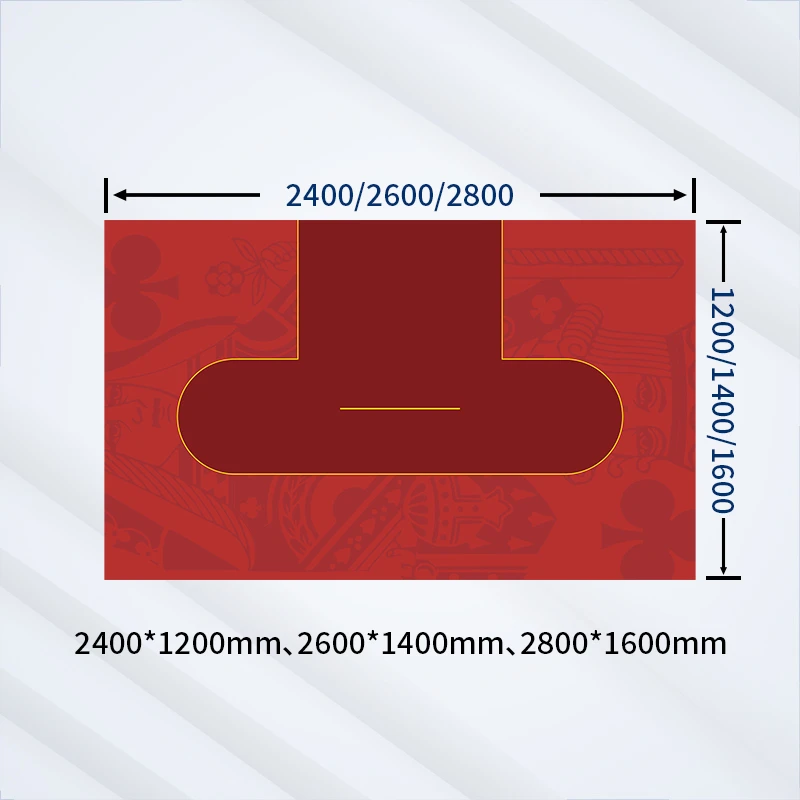
Dimensions are the first specification to pin down because they determine seat count, pit footprint, and regulatory fit. The classic professional blackjack table is semicircular and measures roughly 2400 x 1200mm — about 96 x 48 inches — which comfortably seats seven players. High-limit rooms commonly specify larger sizes, with 2600 x 1400mm and 2800 x 1600mm available for deeper betting areas and wider rails. Table height, including the rail, sits between 780 and 820mm, matching standard casino chair heights so players can reach the betting circles without strain.
Each player position needs a betting circle of 100-120mm in diameter, plus room for split and double-down stacks. The dealer station occupies roughly 600-700mm of the table’s depth, with the chip tray centered and the drop box positioned below it for secure cash and markers. When a casino configures a standard casino blackjack table, the layout print must also align with the dealer’s reach and the discard rack placement, which is why most operators order tables and layouts from the same manufacturer rather than mixing components.
Seat spacing is a quieter detail that affects comfort and game speed. Each of the seven positions needs roughly 650mm of rail frontage so players can reach their betting circles without crowding, and the pit must keep a clear walkway around the table for staff and surveillance access. Five-player tables use the same 2400 x 1200mm footprint with wider spacing, which high-limit rooms often prefer for a more spacious feel, while mass-market floors pack the full seven seats to maximize hands per hour per square meter.
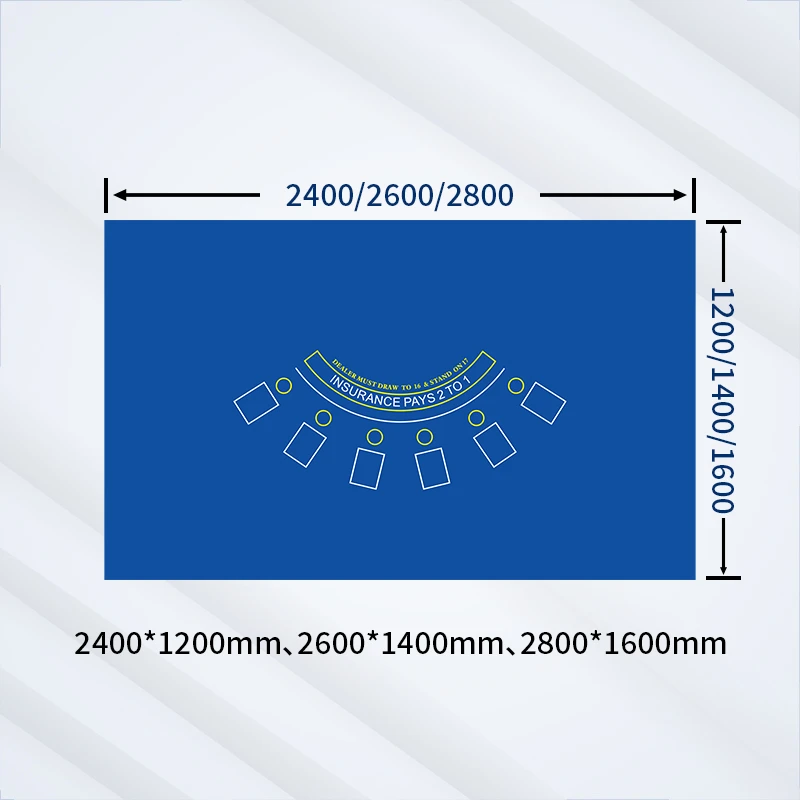
For a ready-made example of these dimensions, the Premium Quality Luxury Customizable Blackjack Casino Table offers semicircular solid wood construction in standard and oversized configurations, with the rail, felt, and pedestal built to commercial specifications.
Felt Quality, Layout Printing, and the Playing Surface
The playing surface determines card slide, chip bounce, and how quickly dealers can move a hand — three factors that directly influence table throughput. Casino-grade layouts are printed with heat-transfer sublimation, which embeds dye into the fabric fibers so betting lines, logos, and rule text resist fading under UV lighting and repeated cleaning. The most common base is speed cloth or a three-proof felt that is waterproof, dustproof, and flame retardant, delivering 24-36 months of service between replacements.
The layout itself is a legal document of house rules. A standard print states blackjack pays 3 to 2, insurance pays 2 to 1, and the dealer’s standing instructions, such as drawing to 16 and standing on all 17s. In regulated markets these markings follow official rule sets — the Nevada Gaming Commission Gaming Regulations, as published in Exhibit 99.1 to SEC filing, October 2017, document the full blackjack rules and payout structures that licensed operators must observe. Matching your layout print to the jurisdiction’s approved rules is a basic compliance step before a table ever opens for play.
Beyond regulatory text, operators use the felt for branding: custom colors, logos, side-bet areas, and high-limit markers. Browse our blackjack table layout collection to see the range of printed configurations available, from classic green to branded multi-color designs.
Replacement planning is part of owning the surface. Ordering a spare layout with each table keeps downtime under an hour when the felt finally wears out, and most suppliers keep production files so reprints match the original artwork exactly. Daily cleaning with an approved felt-safe solution and an annual deep clean extend the layout’s life by roughly a third.

Dealer Stations, Shufflers, and Supporting Equipment
A professional blackjack table is only as productive as its dealer station. The standard setup includes a chip tray with denomination-sorted rows, a locked drop box for cash, a discard rack for played cards, and a dealing shoe that holds six or eight decks. These components are sized to the table: the tray must sit within the dealer’s natural reach, the drop box must align with the casino cage procedures, and the shoe position must not block the discard rack. Most commercial suppliers build these stations into the table rather than bolting on aftermarket parts, which keeps tolerances tight and maintenance predictable.
Card handling technology is the next productivity lever. Manual shoe dealing typically moves 60-70 hands per hour, while a continuous shuffling machine (CSM) eliminates dead time between rounds and keeps every dealt card unpredictable. For operators running multiple tables, a CSM setup is one of the fastest ways to raise revenue per table without adding staff.
Dealer-side ergonomics rounds out the station. The chip tray should sit at a height that lets the dealer count and pay without bending, typically 780-820mm including the rail, and the drop box slot must be reachable in one motion. High-limit tables sometimes add a second drop box for markers, while multi-deck games need a shoe that feeds cards without exposing the next card’s edge.
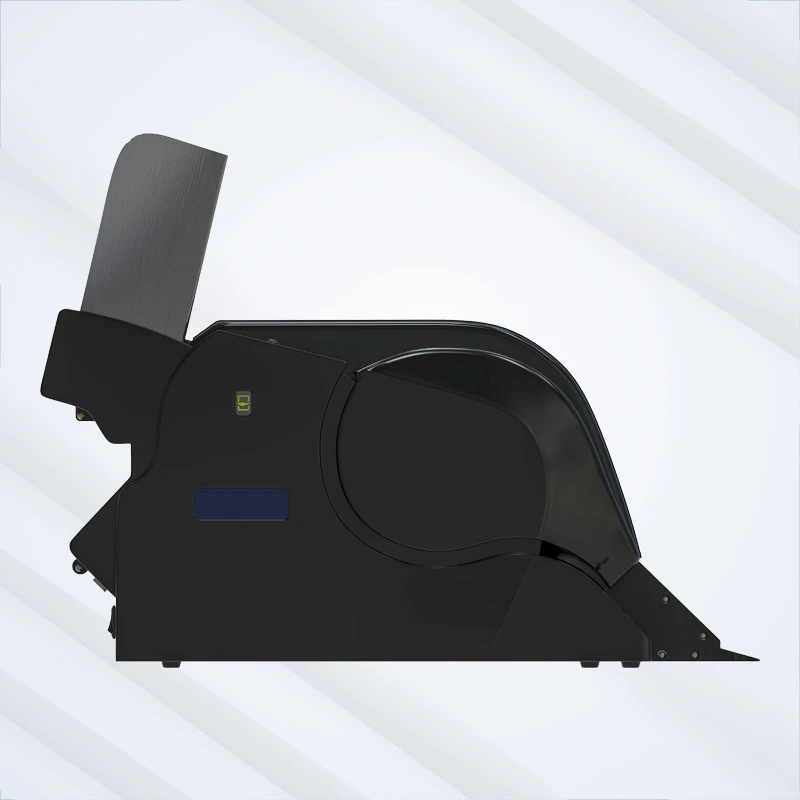
Shuffler selection depends on your table mix, and our card shuffler collection covers both single-deck and multi-deck automatic units built for continuous casino use. If floor space is tight, a poker and blackjack table hybrid such as the Hexagon Blackjack Poker Table lets one table switch between games, with a racetrack rail for poker and a standard blackjack dealer station for table games.
Materials, Compliance, and Customization for Commercial Operators
Regulatory compliance starts with the physical table. Fire-retardant felt, rounded rail corners, stable pedestals, and accessible dealer areas are common requirements across gaming jurisdictions, and licensed suppliers build to these standards as a baseline. When you commission a blackjack casino table, ask for documentation on materials and load ratings up front — it saves rework when the local gaming commission inspects the floor.
Technology integration is increasingly part of the specification. RFID-ready tables embed antenna channels beneath the felt and junction boxes under the frame, so chip-tracking readers can be installed without ripping apart the table later. The RFID Blackjack Gaming Table is built this way, with chip tracking for split and double-down stacks and compatibility with standard casino management systems.
Customization closes the loop: brand-matched felt colors, embroidered rails, wood finishes from mahogany to high-gloss lacquer, and engraved pedestals all help a professional blackjack table fit the identity of a VIP room or a new casino brand. Lead times typically run 15-25 working days for custom builds, so plan procurement around floor-opening dates. Working with a manufacturer that supplies tables, layouts, and accessories together also simplifies warranty and spare-parts management over the table’s 8-12 year service life.
Procurement terms deserve the same attention as the table itself. A reputable manufacturer provides a written warranty on frame and rail, documented materials, and a spare-parts commitment for the table’s expected lifespan, and most supply CAD drawings so your pit layout team can plan cable runs and access before delivery. Clarify freight, installation, and lead time in the contract so the table arrives when the floor is ready.

Frequently Asked Questions
What is a professional blackjack table?
A professional blackjack table is a commercial-grade gaming table engineered for continuous casino play, featuring a semicircular seven-player layout, reinforced hardwood construction, and a dedicated dealer station with drop box and chip tray. It withstands years of daily operation with standard maintenance and carries regulatory-grade markings that define payouts and house rules. Home and bar tables lack the security hardware and compliance features that separate commercial equipment from consumer furniture.
What are the standard dimensions of a casino blackjack table?
A standard casino blackjack table is semicircular and measures approximately 2400 x 1200mm, about 96 x 48 inches, for a seven-player configuration, with 2600 x 1400mm and 2800 x 1600mm sizes common in high-limit pits. Table height including the rail is 780-820mm, and the dealer station occupies 600-700mm of the table depth. Operators should confirm dimensions against local gaming regulations and planned pit layouts before ordering.
What materials are professional blackjack tables made of?
Professional blackjack tables use kiln-dried hardwood frames, typically oak, maple, or mahogany, joined with mortise-and-tenon construction, and mounted on steel pedestal bases with adjustable levelers. The rail is padded with high-density foam and covered in synthetic leather, while the surface is casino-grade speed cloth or three-proof sublimation felt that is waterproof and flame retardant. These materials give a commercial table an 8-12 year service life under proper maintenance.
Can a professional blackjack table also host poker games?
Yes, a professional blackjack table can also host poker games when you choose a multi-game configuration such as a poker and blackjack table hybrid with a racetrack rail. These designs switch layouts quickly and maximize floor space across peak and off-peak hours. Hybrid tables sacrifice a little dealer station depth compared with dedicated blackjack tables, so verify the layout dimensions with your supplier before purchasing.
Conclusion: Choosing the Right Professional Blackjack Table
Buying a professional blackjack table is a capital decision, and the specifications covered here are the points where quality and cost separate. Suppliers that can document materials, offer RFID-ready builds, and deliver matched layouts and accessories will save you the most over the table’s lifespan. Start by reviewing our blackjack tables collection, then send your pit dimensions and house-rule requirements to our team for a specification-matched quote.