RFID casino chips have transformed from an optional luxury into a core operational requirement for modern gaming floors. According to a 2024 report by the American Gaming Association (AGA), commercial gaming revenue in the United States reached $66.5 billion in 2023, with table games accounting for a significant portion of that total. Yet the Gaming Equipment Manufacturers Association (GEMA) estimates that casinos without RFID chip tracking lose between 0.5% and 1.2% of annual table game revenue to counterfeiting, chip theft, and operational leakage. For a mid-size casino generating $50 million in table revenue, that translates to $250,000–$600,000 in preventable losses each year.
This guide examines how RFID technology works within casino chips, the concrete ROI it delivers, implementation strategies for different budget tiers, and why small-to-medium venues can no longer afford to delay adoption. Whether you manage a boutique gaming hall or a multi-floor resort, understanding RFID chip infrastructure is essential to protecting your gaming floor in 2026 and beyond.
What Are RFID Casino Chips and How Do They Work?
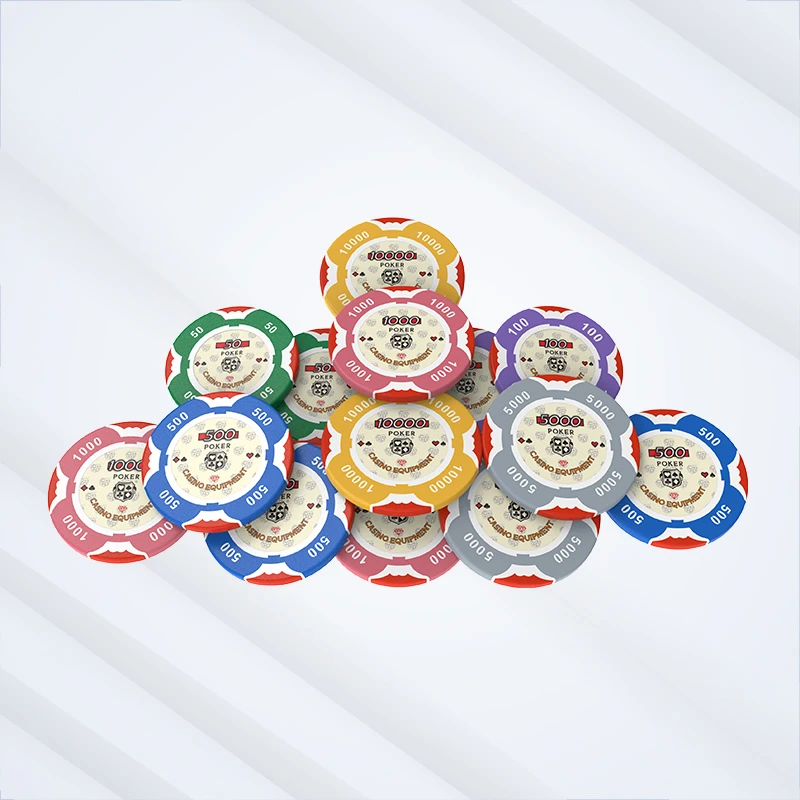
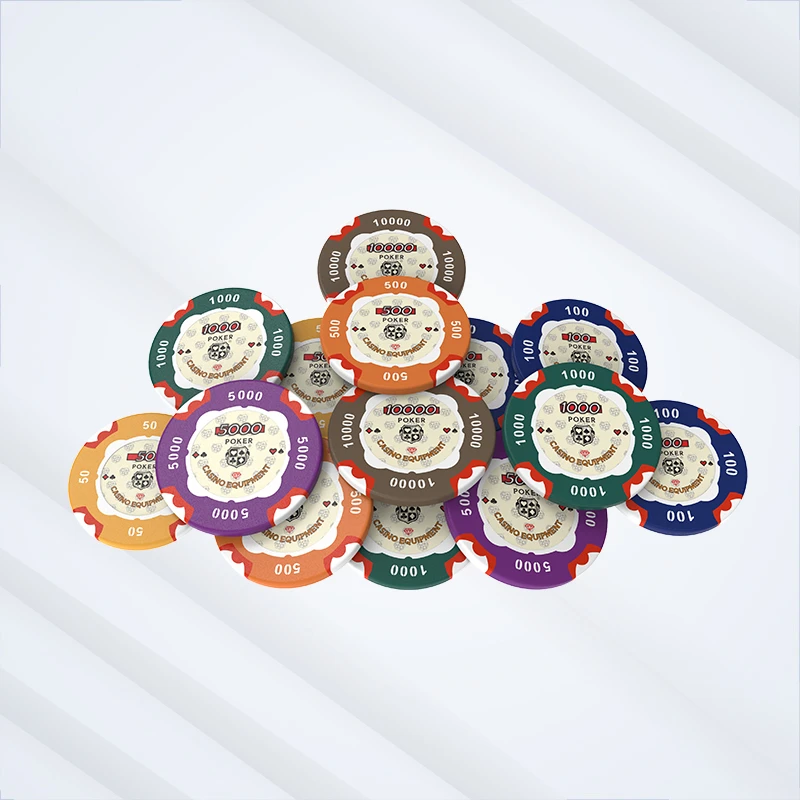
RFID casino chips are standard gaming chips embedded with a passive Radio Frequency Identification (RFID) tag inside the chip body. The tag consists of a tiny microchip and an antenna coil, typically embedded between the clay composite or ceramic layers during manufacturing. Unlike active RFID tags that require a battery, passive tags draw power from the electromagnetic field generated by RFID reader antennas embedded in the casino table surface or handheld scanners.
When a player places an RFID-equipped chip on an enabled gaming table, the table’s reader antenna detects the chip’s unique serial number, denomination, and manufacturer data in real time. This enables the casino’s management system to track every chip on the table—who bet what, when, and where—without any manual intervention from dealers or floor supervisors. For a deeper dive into choosing the right RFID-enabled chip hardware, explore our RFID Clay Composite Poker Chips, which support full-frequency RFID embedding with customizable denominations and branding.
The technical architecture involves three layers: the chip-level RFID tag (operating at 13.56 MHz HF or 860–960 MHz UHF frequencies), the table-level reader antennas (embedded in the felt or under the table layout), and the system-level software that aggregates and analyzes the data. Most modern implementations use HF tags for table games due to their reliable short-range read performance, while UHF tags are reserved for cage operations and chip vaults where bulk scanning is required.
The Financial Impact of Chip Fraud and Revenue Leakage
Chip fraud is not a victimless crime. The Nevada Gaming Control Board reported 47 confirmed cases of counterfeit chip incidents between 2019 and 2023, with individual cases ranging from $5,000 to over $200,000 in attempted fraud. But direct counterfeiting represents only a fraction of total losses. The larger threat comes from operational leakage: chips removed from the table during dealer errors, collusion between players and staff, and unauthorized chip redemption at the cage.
A 2023 study by the University of Nevada, Las Vegas (UNLV) International Gaming Institute found that casinos implementing RFID chip tracking experienced a 30–45% reduction in chip-related fraud incidents within the first 12 months of deployment. The same study documented a 2–4% improvement in table game revenue accuracy, attributed primarily to the elimination of dealer payout errors and unauthorized chip movement.
Consider a practical scenario: a mid-size casino with 25 table games handles approximately $2 million in chip circulation daily. Without RFID tracking, reconciling chip counts at shift changes takes 30–45 minutes per table and relies entirely on manual counts. With RFID-enabled tables and cage readers, reconciliation becomes automated—the system knows exactly how many chips are in play, in the cage, and in the vault at any given moment. For operators evaluating anti-counterfeiting options across different budget levels, see our article on choosing anti-counterfeiting solutions by budget.
Key Components of an RFID Chip Tracking System
A complete RFID chip infrastructure extends far beyond the chips themselves. Casino operators need to understand the full ecosystem before investing in deployment.
RFID-Embedded Chips
The foundation is the chip itself. Modern RFID casino chips are manufactured using clay composite, ceramic, or acrylic bodies with the RFID tag embedded during the pressing process. The tag must survive the chip’s operational lifespan—typically 3–5 years on a gaming floor—while maintaining reliable read rates above 99.5%. Our RFID Poker Chips collection includes models with embedded HF tags that meet international casino standards.
Table-Mounted Reader Antennas
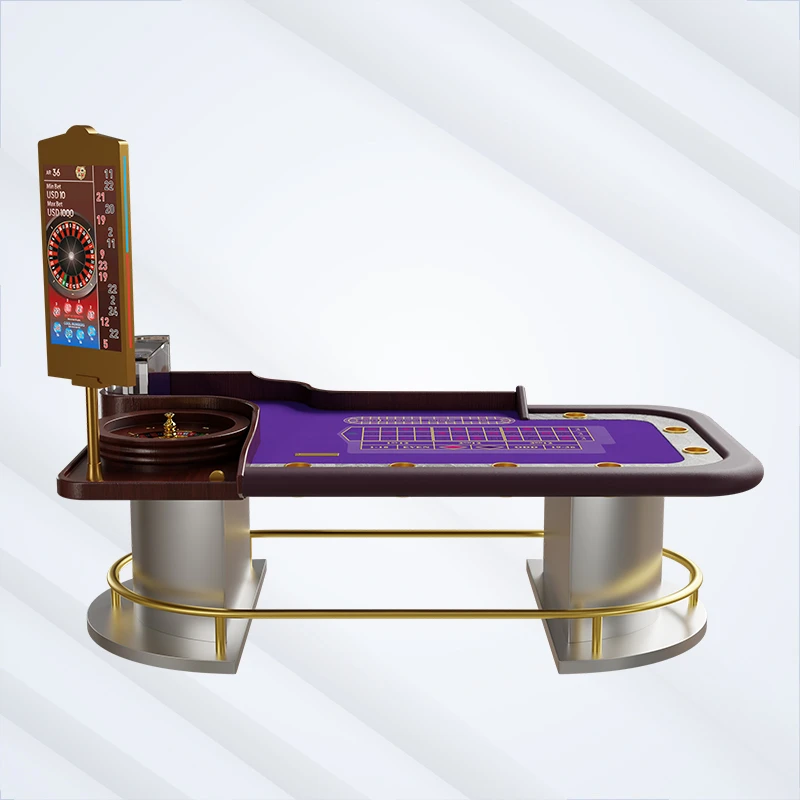
RFID reader antennas are embedded beneath the table felt or integrated into the table layout itself. These antennas create a read zone that covers the betting positions, allowing the system to detect every chip placed on the table. Modern RFID gaming tables can read up to 200 chips simultaneously with sub-second response times. To explore tables with built-in RFID infrastructure, visit our RFID Gaming Table collection.
Cage and Vault Readers
The casino cage is where chips enter and exit circulation. RFID reader boards installed at cage windows enable instant verification of chip authenticity and denomination when players cash out. The Casino Cage RFID Chips Reader Board supports bulk scanning of up to 500 chips in a single transaction, reducing cage processing time by 60% compared to manual counting.
Management Software
The software layer ties everything together, providing real-time dashboards for pit managers, cage supervisors, and security teams. Features typically include live table inventories, automated alert generation for suspicious activity, historical audit trails, and integration with the casino’s broader surveillance infrastructure.
Implementation Strategies for Small-to-Medium Casinos
One of the most persistent myths in the gaming industry is that RFID chip tracking is only viable for large resort casinos. In reality, the cost of RFID components has dropped significantly since 2020, making phased implementation accessible to smaller venues. The key is prioritizing deployment based on risk exposure and operational impact.

Phase 1: High-Denomination Chips Only. Start by embedding RFID tags in $100 and higher denomination chips only. Since high-denomination chips represent the greatest counterfeiting risk and the smallest percentage of total chip volume, this approach delivers maximum security ROI with minimal upfront investment. A typical small casino can RFID-enable its high-denomination inventory for under $15,000.
Phase 2: Cage Verification. Install RFID reader boards at cage windows to authenticate every chip presented for redemption. The Portable Casino RFID Chips Anti-Counterfeit Handheld Terminal enables floor supervisors to verify chip authenticity anywhere on the gaming floor, closing the security gap between the table and the cage. For a comprehensive analysis of why smaller venues need to act now, read our guide to RFID smart chip tracking for small-to-medium casinos.
Phase 3: Full Table Integration. The final phase involves RFID-enabling all denominations and installing reader antennas in gaming tables. This is the most capital-intensive step but delivers the full range of operational benefits: automated reconciliation, real-time player tracking, dealer performance analytics, and complete audit trails.
RFID Chips vs. Traditional Anti-Counterfeiting Methods
Casinos have historically relied on a combination of UV markings, microtext, holographic labels, and edge spots to deter counterfeiting. While these features raise the barrier to fraud, they share a critical limitation: they require human inspection. A dealer processing 60 hands per hour cannot reliably verify UV markings on every chip that crosses the table.
RFID technology eliminates the human factor. Every chip is automatically authenticated the moment it enters the reader field, regardless of how busy the table is. The AGA’s 2023 Responsible Gaming and Security Report noted that casinos using RFID-enabled chips reported zero successful counterfeit incidents over a 24-month observation period, compared to an average of 2.3 incidents per year for casinos relying solely on visual security features.
That said, RFID does not replace visual security features—it complements them. The most secure implementations use a layered approach: physical features (edge spots, UV ink, holographic labels) as the first line of defense, with RFID verification as the definitive authentication layer. For operators concerned about counterfeit threats, our guide to preventing counterfeit casino chips provides a detailed comparison of all available methods.
Compliance and Regulatory Considerations
Gaming regulators worldwide are increasingly emphasizing chip security as part of broader anti-money laundering (AML) and know-your-customer (KYC) frameworks. In Macau, the Gaming Inspection and Coordination Bureau (DICJ) mandated RFID-enabled chips for all concessionaires by 2025, making the technology a legal requirement rather than an operational choice. The Nevada Gaming Control Board has similarly tightened chip security regulations, requiring casinos to demonstrate “adequate safeguards” against counterfeiting as part of their licensing conditions.
For casinos operating in multiple jurisdictions, RFID chip systems provide a standardized audit trail that satisfies regulatory reporting requirements across different markets. The system automatically logs every chip transaction—from issuance at the cage to final redemption—creating a complete chain of custody that regulators can review during compliance audits. This level of documentation is virtually impossible to achieve with manual tracking methods.
FAQ: RFID Casino Chips
How long do RFID casino chips last?
RFID casino chips typically last 3–5 years under normal gaming floor conditions. The passive RFID tag inside has no battery to degrade, so the chip’s lifespan is determined by the physical wear of the chip body itself. Clay composite chips tend to have shorter lifespans than ceramic or acrylic options due to material erosion at the edges.
Can RFID chips be hacked or cloned?
Modern RFID casino chips use encrypted, read-only tags with unique serial numbers programmed during manufacturing. Cloning these tags requires specialized equipment and access to the manufacturer’s encryption keys, making successful cloning extremely difficult. No confirmed case of RFID chip cloning has been documented in a regulated casino environment as of 2025.
How much does a full RFID chip system cost?
A complete RFID chip system for a 20-table casino typically costs between $80,000 and $200,000, depending on chip volume, reader density, and software complexity. However, phased implementations starting with high-denomination chips and cage readers can begin at $15,000–$30,000, with most operators achieving ROI within 18–24 months through reduced fraud and operational savings.
Conclusion
RFID casino chips are no longer a forward-looking technology—they are the current standard for any gaming operation serious about security, compliance, and operational efficiency. The financial case is clear: with proven ROI within 24 months, 30–45% reduction in fraud incidents, and regulatory mandates expanding globally, the question for casino operators is no longer whether to adopt RFID, but how quickly they can implement it. Start with high-denomination chips and cage verification, then scale to full table integration as budget allows. The cost of inaction—in preventable losses, regulatory risk, and competitive disadvantage—far exceeds the investment required.