Casinos prevent counterfeit chips primarily through advanced RFID technology, UV fluorescent markings, holographic foils, and multi-layered security features. These measures detect fakes instantly, track chip movement, and protect billions in gaming revenue – making counterfeiting nearly impossible in modern casinos like those in Las Vegas and Macau.
Casinos mainly prevent counterfeit chips using a combination of RFID-embedded tags, UV and infrared markings, holographic security foils, and custom physical designs. These casino chip security features allow real-time authentication, immediate fake detection, and precise tracking on the gaming floor. In 2026, high-tech solutions like encrypted RFID dominate high-value chips, while layered defenses ensure even low-denomination tokens are protected.
Why Are Casino Chip Security Features Essential?
Casino chips (also known as checks or gaming tokens) function as the house’s currency in pits and high-limit rooms. Counterfeit casino chips threaten massive losses, player trust, and even money laundering risks. Industry estimates show attempted frauds still occur yearly, targeting $1,000+ plaques. That’s why operators layer overt (visible) and covert (hidden) anti-counterfeiting technologies for comprehensive protection and inventory control.
What Traditional Casino Chip Security Features Exist and Why Do They Have Limitations?
Traditional defenses rely on physical traits: unique edge spots (colored inserts on the chip’s rim), custom molds with intricate patterns, color combos, and specific weight/texture that dealers spot via tactile inspection.
Holographic casino chips use iridescent foils that change color with angles – a popular overt feature since the ’90s.
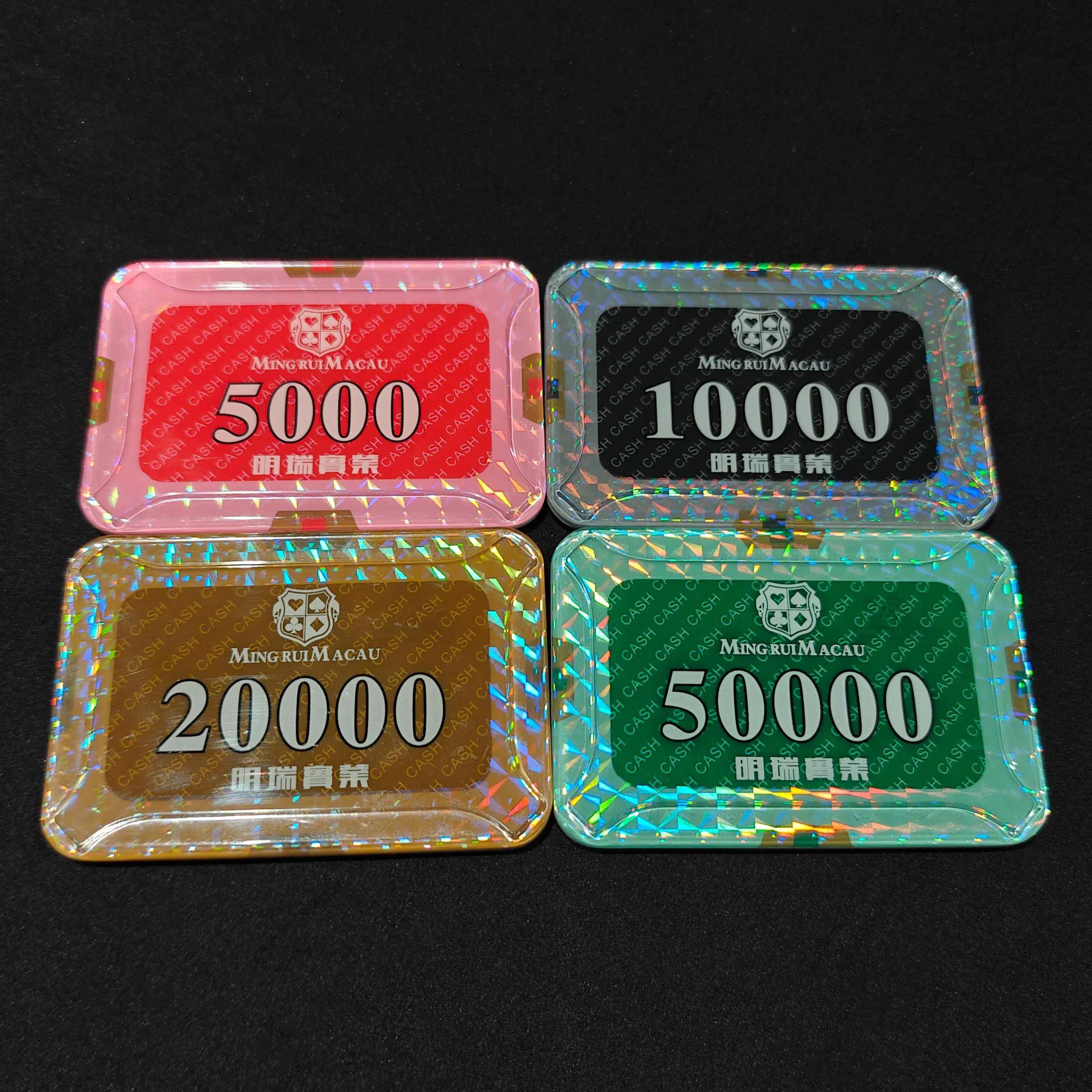
Hot stamping (or foil stamping) adds metallic gold or silver edges, denominations, or logos using heat-pressed foil – giving chips a premium shine and making low-quality fakes obvious due to poor adhesion or fading.

Limitations? Counterfeiters replicate these with online hologram stickers, 3D printing for molds, similar inks, or foil presses. Microprinting and serial numbers help but aren’t foolproof alone. Modern casinos combine them with advanced tech for better casino chip counterfeit prevention.
How Does RFID Technology Revolutionize Casino Chip Security?
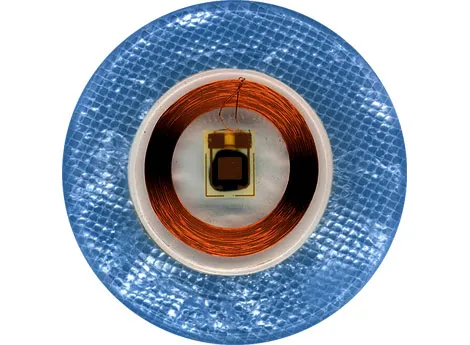
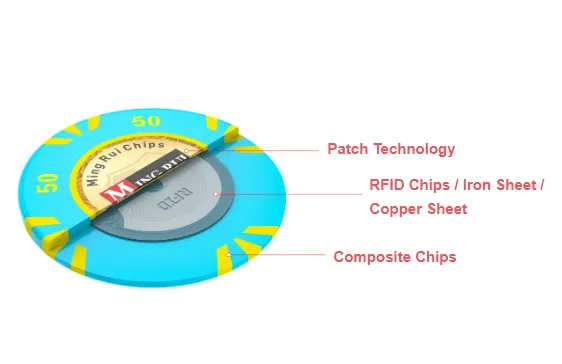
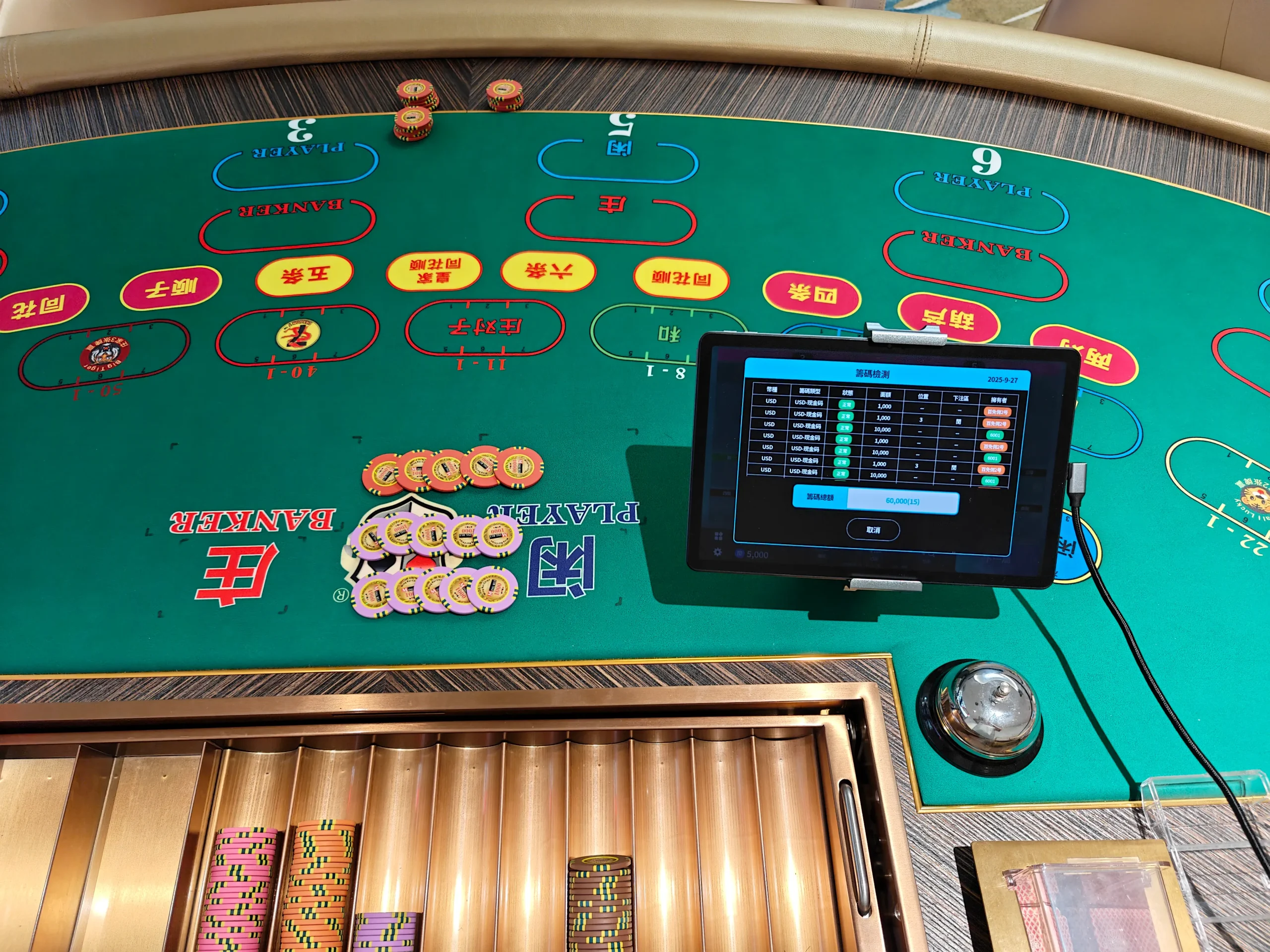
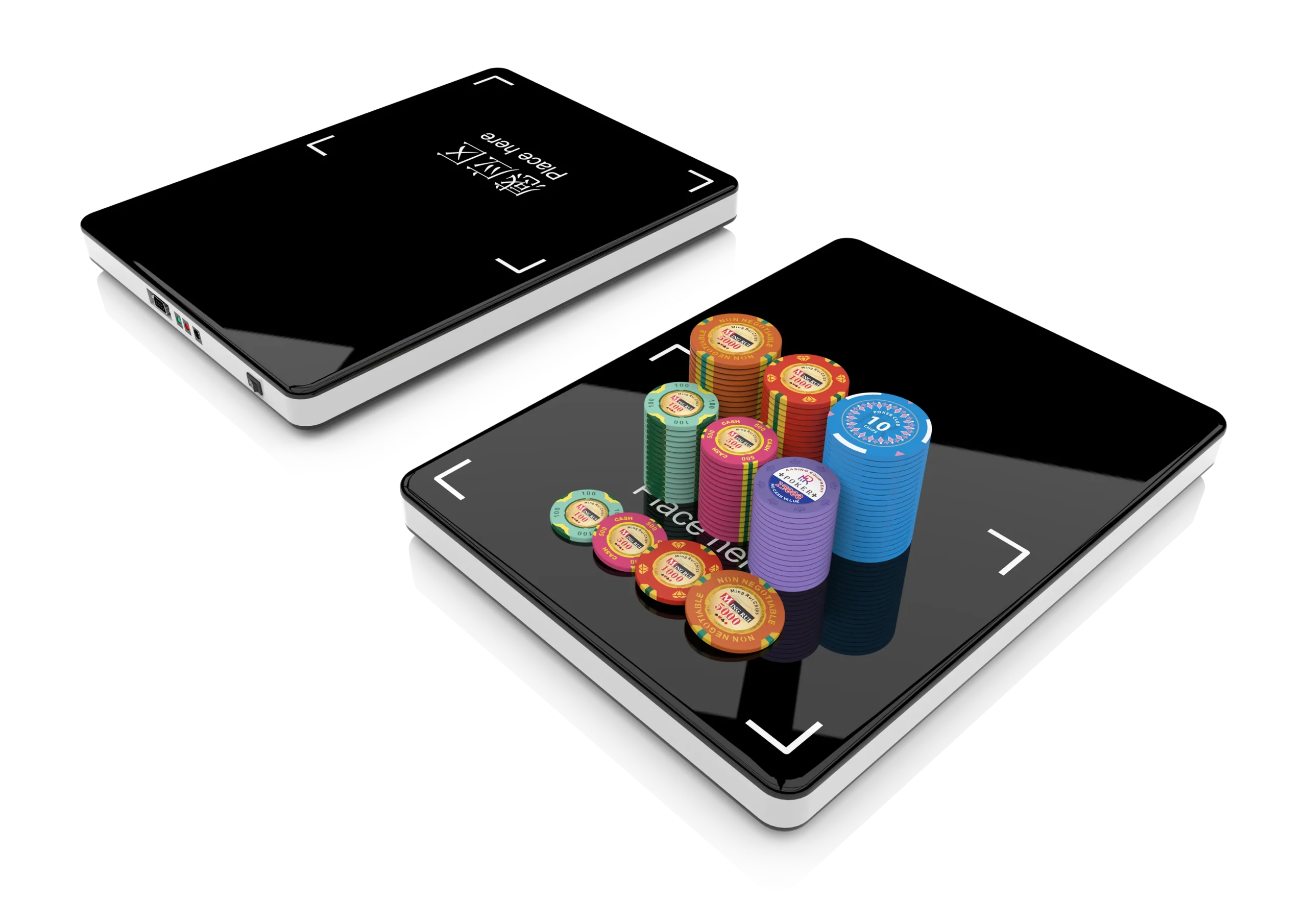
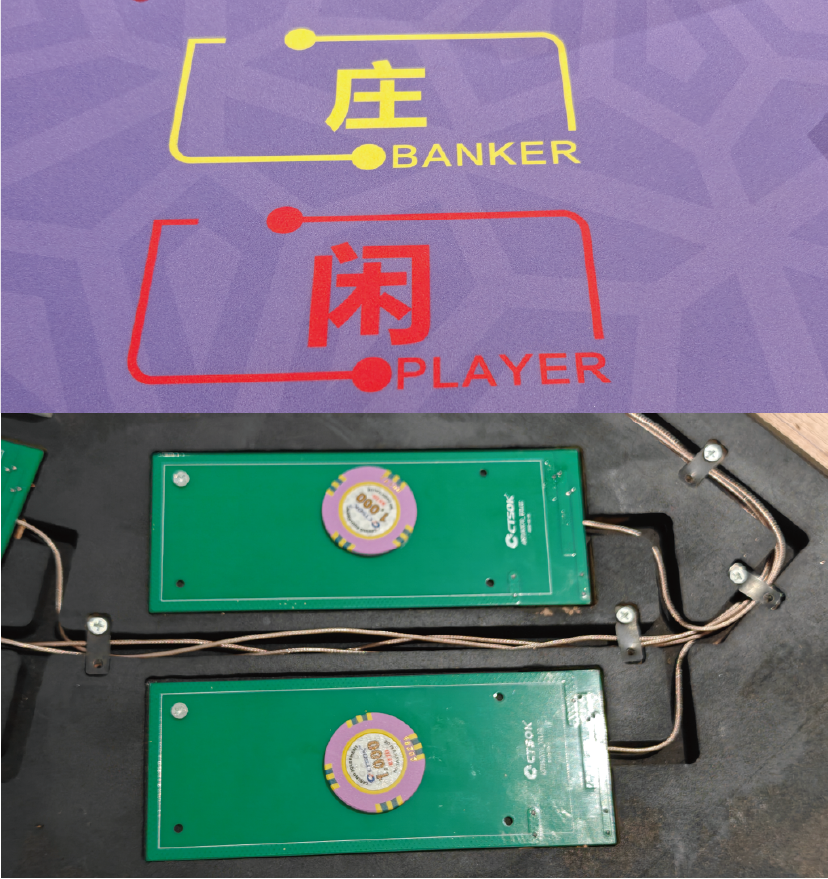
RFID casino chips lead the way: Each high-value chip embeds a radio frequency tag with a unique encrypted ID. Table antennas and cage readers verify authenticity instantly, track movements, and log transactions.
Key benefits:
- Fake chips trigger alarms immediately.
- Stacks of chips read without separation.
- Stolen chips deactivate remotely.
In 2026, systems like 13.56 MHz hybrid RFID scan dozens of chips accurately. Las Vegas and Macau resorts require it for premium denominations. It’s the top tool against fraud, though costs limit it to higher-value chips.
What Role Do UV Markings and Infrared Features Play in Detecting Fake Casino Chips?
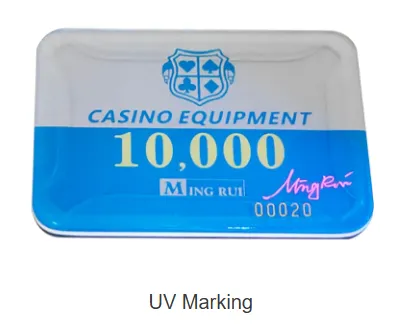
UV markings on casino chips provide hidden protection: Fluorescent inks stay invisible normally but reveal patterns, logos, or codes under blacklight.
Cashiers and dealers scan routinely, especially during cash-outs. Infrared markings add depth, visible only via IR scanners – using proprietary formulas hard to duplicate.
Paired with RFID, these create robust multi-spectral security. Some include “invisible fingerprints” scannable by apps, making detection quick and reliable.
How Do Casinos Detect and Handle Counterfeit Chips on the Floor?
Detection blends staff training (feeling weight discrepancies) with tech: UV lamps, RFID readers at every station.
Suspicious chips trigger alerts, surveillance review, and confiscation. AI patterns spot anomalies; audits use X-rays for tampering.
Counterfeiters face bans, charges, or prosecution – strong deterrence.
What Emerging Technologies Shape Casino Chip Anti-Counterfeiting in 2026?
Future trends include blockchain-RFID integration for immutable logs, NFC tap-verification, and nanotechnology like quantum dots. AI predicts fraud; some tests add biometrics.
Costs drop, enabling wider adoption while balancing security and privacy.
Conclusion
In 2026, RFID is still king – especially in big spots like Vegas and Macau – with upgrades making tags harder to clone. Newer tech like “invisible fingerprints” (e.g., AlpVision) adds extra layers. All this makes counterfeiting super rare and risky: fakes get spotted fast, thieves get banned or worse, and casinos can even deactivate stolen chips remotely.
Bottom line: Modern casino chips are high-tech fortresses. Fake ones almost never succeed long-term thanks to layered defenses and constant surveillance.
FAQ: Common Questions About Casinos Counterfeit Chips
No, not all. RFID is pricey (about $2-3 extra per chip), so it’s mostly in high-value ones ($100+ or $500+ plaques). Big casinos like Wynn or those in Macau use them widely for tracking and anti-fraud. Lower-denom chips rely more on UV marks, holograms, and unique designs.
Dealers check weight/texture by feel, look for design mismatches, and use tools: UV/blacklight lamps reveal hidden glows, RFID readers scan for valid tags (fakes trigger alarms), and surveillance cams track everything. Cashiers always scan high-value chips during buy-ins or cash-outs.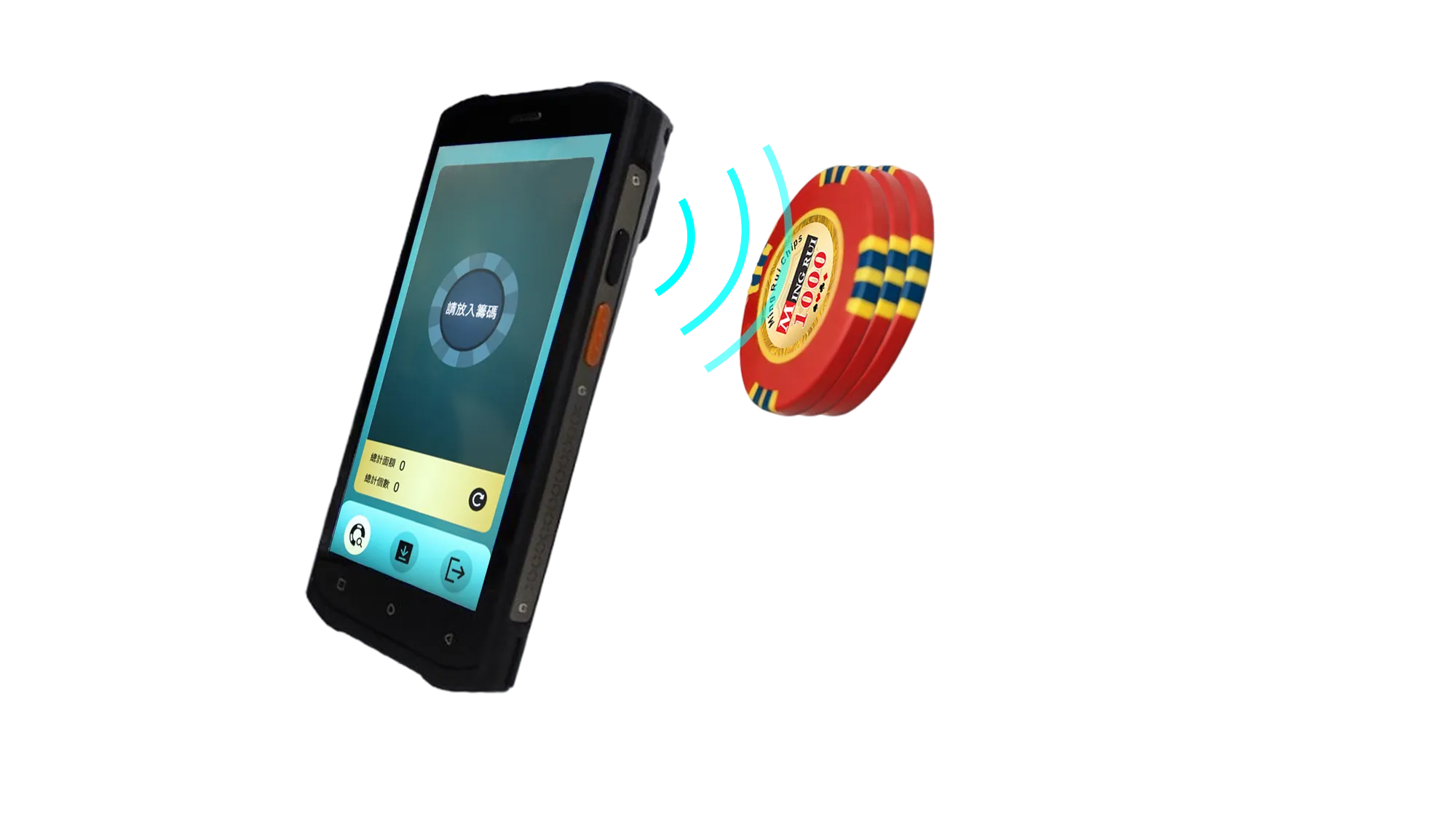
Pretty rare these days. Advanced tech makes perfect fakes tough and expensive. Most attempts get caught quick – either at tables or cages. When they happen, it’s usually lower-value chips or sloppy copies from overseas.
Bad news: Chips confiscated, winnings seized, permanent ban from the casino (often industry-wide blocklist), and possible criminal charges like fraud or counterfeiting. Could mean fines or jail time – not worth the risk!
Tough luck for thieves. Many have RFID, so casinos track and remotely deactivate them. Plus, no value outside the casino, and cashing in big amounts triggers ID checks and surveillance reviews.
Cost is the big issue—full rollout can hit millions. Good news: Companies like Macaumr offer affordable, customizable RFID solutions for all budgets—from big resorts to smaller operations.