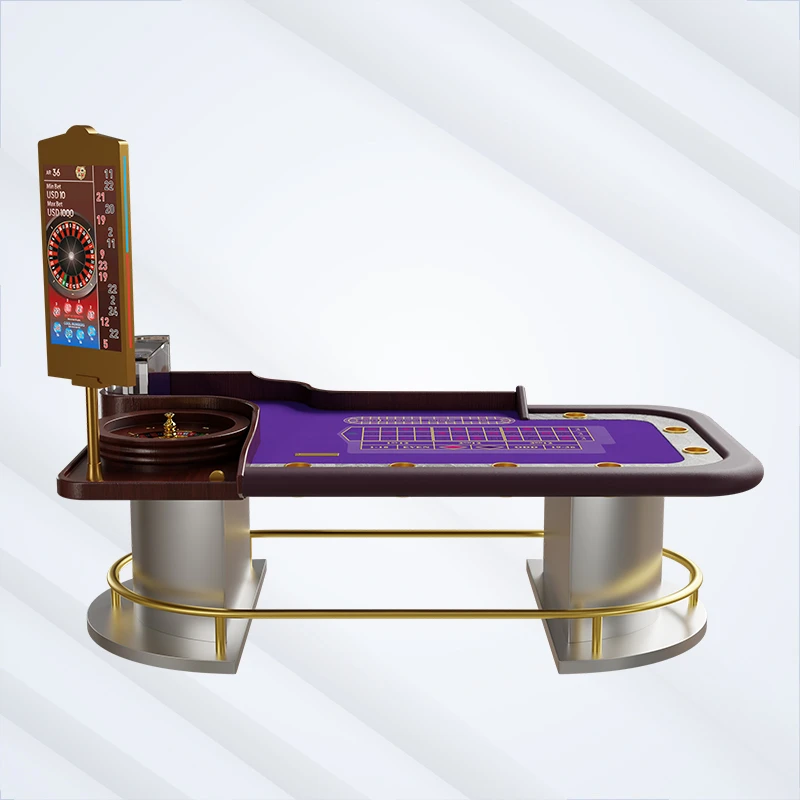
When a casino operator places an order for a gaming table, the first question regulators ask is not about price or delivery time. It is about certification. A casino gaming table that has not been tested and approved by an accredited testing laboratory cannot legally operate on a licensed gaming floor. Understanding casino gaming table certification is the difference between a purchase that passes inspection and one that gets flagged the moment a gaming commission inspector walks onto the floor.
What Is Casino Gaming Table Certification?
Casino gaming table certification is a formal approval process that confirms a gaming table meets the technical, structural, and operational standards set by a recognized gaming regulatory authority or accredited testing laboratory. This process evaluates the table’s construction materials, fairness mechanisms, tamper resistance, and compliance with jurisdictional gaming rules.
A certified casino gaming table has passed a series of laboratory tests covering physical durability, shuffle algorithm validation, chip recognition compatibility, and game rule enforcement. The certification is not a one-time event. In most jurisdictions, tables must be re-certified when hardware is modified, software is updated, or the table is relocated to a different casino property under a separate gaming license.
Who Sets the Standards?
Casino gaming table certification standards are defined at multiple levels. National and state-level gaming commissions establish the baseline legal requirements. Private testing laboratories conduct the actual testing and issue compliance certificates that regulators accept as proof of conformity.
Nevada Gaming Control Board
The Nevada Gaming Control Board (NGCB) is the oldest and most widely respected gaming regulatory body in the world. Its technical standards, published in the NGCB Technical Standards, define the minimum requirements for all gaming equipment operated in Nevada-licensed casinos. Any casino gaming table seeking approval for use in Nevada must comply with these standards, which cover shuffle device approval, table construction specifications, and game rule verification.
Gaming Laboratories International (GLI)
Gaming Laboratories International (GLI) is the dominant independent testing laboratory for casino gaming equipment worldwide. GLI conducts mathematical audits, hardware testing, and software verification for gaming tables, shufflers, and related equipment. A GLI certification mark on a casino gaming table is recognized by gaming authorities in Nevada, New Jersey, Macau, Singapore, and over 480 other jurisdictions globally.
GLI 11 and GLI 19 Standards
Two GLI documents form the backbone of casino table certification: GLI 11 (Gaming Devices) and GLI 19 (Table Game Devices). GLI 11 covers electronic gaming devices including electronic table game platforms, while GLI 19 addresses the physical table game components, including felt layouts, shufflers, and dealing shoes that interact with the game outcome.
Key Certification Requirements for Casino Gaming Tables
The specific certification requirements a casino gaming table must satisfy depend on the games it supports and the jurisdiction in which it will operate. However, several core requirements are universal across most major gaming markets.
Shuffle Device Approval
Any automatic or semi-automatic card shuffler integrated into or used with a casino poker table must be independently certified. The shuffle device undergoes mathematical analysis to verify true randomness, complete card coverage, and resistance to predictive manipulation. Shuffle devices are tested under GLI protocols that simulate millions of shuffle cycles to detect statistical anomalies. Tables equipped with certified shufflers carry a specific approval number that regulators can verify against the laboratory’s public registry.
RFID and Chip Recognition Compatibility
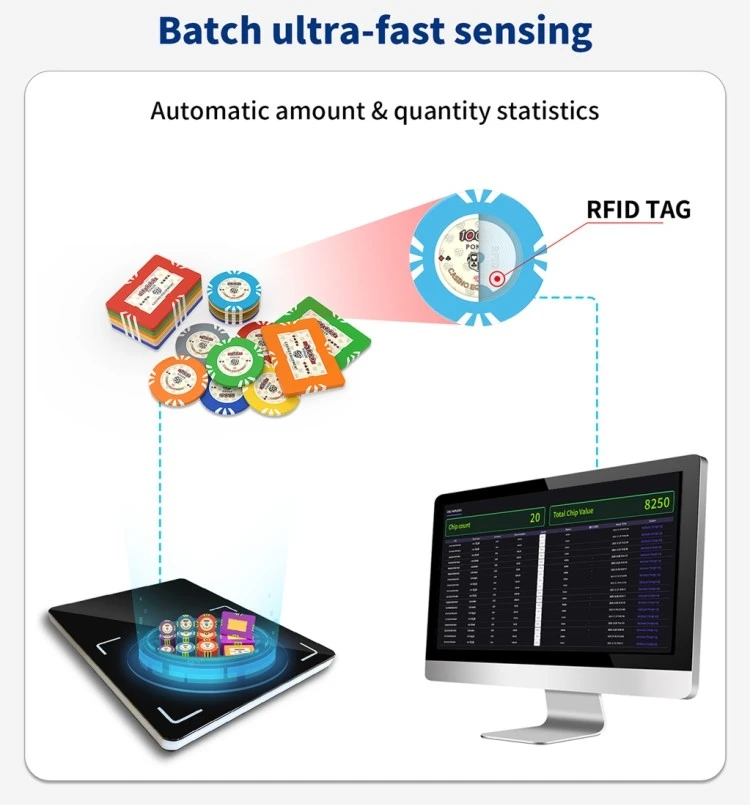
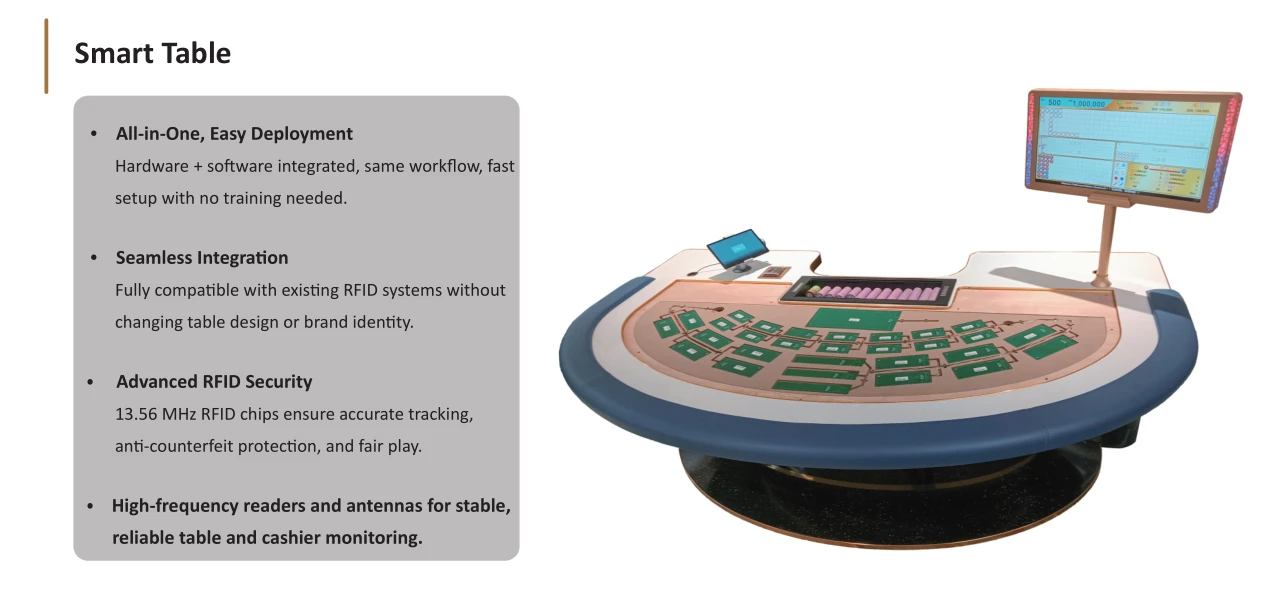
Modern casino gaming tables equipped with RFID chip sensor technology must have the chip recognition system tested as part of the overall table certification. The RFID sensors must accurately identify chip denominations, detect counterfeit chips, and interface correctly with the casino’s management system without introducing game-affecting delays. This testing falls under both GLI 11 and the relevant gaming commission technical standards.
Table Felt and Layout Approval
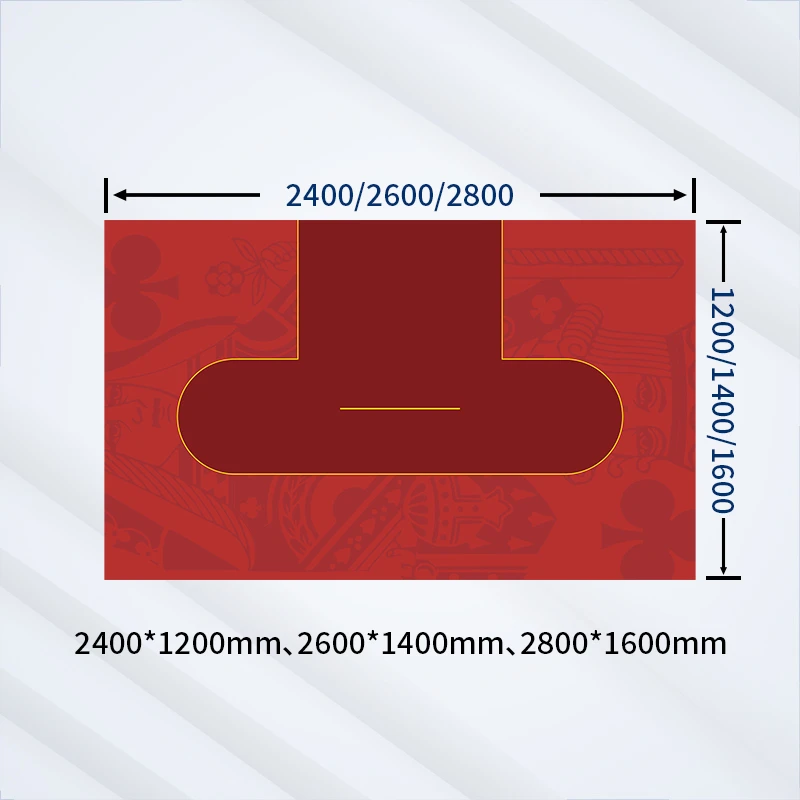
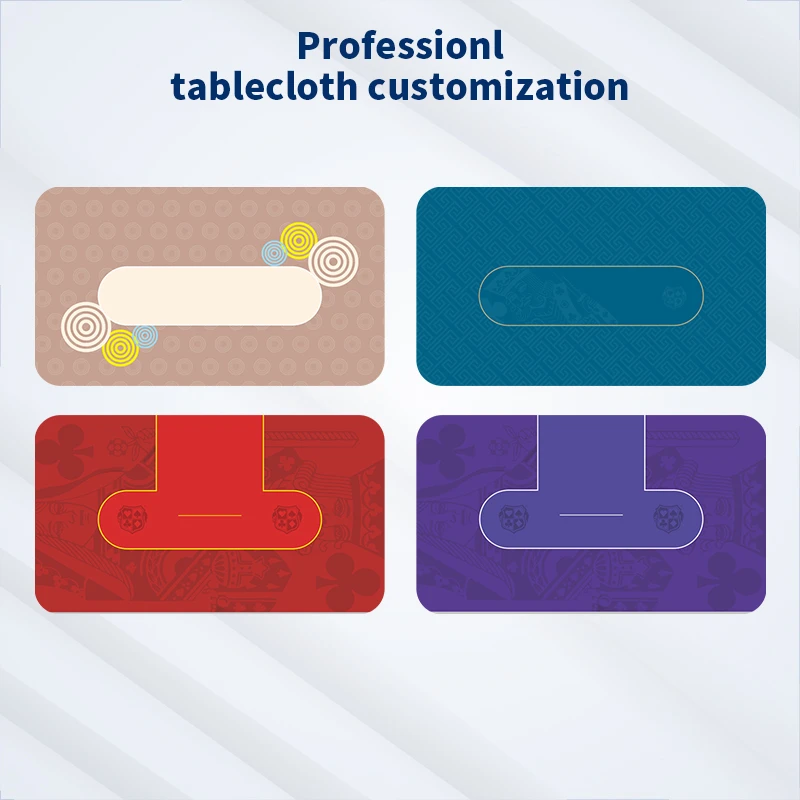
The felt layout printed on a casino poker table is considered part of the regulated game equipment in many jurisdictions. Custom layouts must display accurate game rules, correct payout odds, and legally compliant betting positions. A casino grade poker table layout that shows incorrect payout odds, for example, would fail certification regardless of the table’s physical construction quality.
The Certification Process: Step by Step
Getting a casino gaming table through the certification process involves multiple stages, each building on the last. Manufacturers and casino operators who understand this process can plan procurement timelines more accurately and avoid costly re-work.
The process typically begins with a pre-assessment consultation between the manufacturer and the chosen testing laboratory. During this phase, the laboratory reviews the table’s technical documentation, including hardware specifications, software interfaces, and game rules. The laboratory identifies any areas that are likely to fail testing and recommends modifications before formal submission.
Following pre-assessment, the table enters formal testing. Laboratory technicians run the table through its full operational range, including edge cases such as power interruptions, sensor malfunctions, and extreme temperature conditions. Any deviation from expected behavior is documented as a test failure requiring engineering correction and re-testing.
After successful testing, the laboratory issues a certification report and approval certificate. This document is submitted to the relevant gaming commission, which reviews the report and issues a gaming approval license number. The casino gaming table can then be legally deployed on a licensed gaming floor within that jurisdiction.
Casino Poker Table vs. Regular Poker Table: Why Certification Matters
It is important to distinguish between a standard poker table designed for home or social use and a certified casino poker table used in regulated gaming venues. A home poker table is built for aesthetics and durability in a non-commercial setting. A casino poker table is engineered to withstand continuous 24-hour operation, maintain game integrity under rigorous regulatory oversight, and interface with casino management systems.
A certified casino poker table includes tamper-evident hardware, RFID-compatible chip tracking tracks, integrated shuffler mounts, and regulatory compliance markings that are absent from consumer-grade tables. The certification process validates that these features function correctly under the demanding conditions of a live casino environment.
For casino operators, purchasing an uncertified table to save cost is a false economy. An uncertified table discovered during a routine gaming commission inspection can result in fines, license suspension, and mandatory removal of the equipment from the gaming floor. The cost of certification, by contrast, is a predictable, one-time investment that protects the operator’s license and reputation.
Why Certified Gaming Tables Protect Your Casino License
Gaming licenses are among the most heavily scrutinized commercial permits in any jurisdiction. Casino operators invest years and substantial capital building the compliance infrastructure that justifies their license. A single piece of uncertified gaming equipment can undermine that entire structure.
When a gaming commission inspector audits a casino floor, they verify that every gaming table on the premises carries current, valid certification. The inspector checks the approval number against the laboratory database, confirms the table serial number matches the certification record, and verifies that no unauthorized modifications have been made since certification. Any discrepancy triggers a formal compliance review.
Certified casino gaming equipment also provides legal protection in disputes involving game fairness. If a player challenges a game outcome on a certified table, the casino can demonstrate that the equipment was tested and approved by an independent laboratory, creating a strong legal defense against player claims.
Conclusion
Casino gaming table certification is not a bureaucratic hurdle. It is the foundation of the trust that regulators, operators, and players place in every game on the casino floor. Whether you are procuring a single casino poker table for a boutique gaming room or outfitting an entire casino with RFID-enabled gaming tables, certification ensures your equipment meets the technical and ethical standards that the industry demands. Working with manufacturers who understand GLI 11, GLI 19, and the Nevada Gaming Control Board technical standards is the most direct path to a compliant, inspection-ready gaming floor.
Ready to explore casino gaming tables for your property? Browse our RFID-enabled casino poker tables.
Frequently Asked Questions
What gaming table certification is required to operate legally in Nevada?
A casino gaming table must carry certification from an accredited testing laboratory such as GLI, along with approval from the Nevada Gaming Control Board, before it can be legally operated in a Nevada-licensed casino. The NGCB maintains a public list of approved gaming equipment on its website.
How long does casino gaming table certification take?
The certification process typically takes 8 to 16 weeks from initial submission to final approval, depending on the complexity of the table features, the testing laboratory workload, and whether any failures occur during testing that require engineering revisions.
Does casino gaming table certification cover RFID chip recognition systems?
Yes, when a casino gaming table includes integrated RFID sensors for chip tracking and anti-counterfeit detection, the RFID system is tested as part of the overall table certification under GLI 11 and the relevant gaming commission technical standards.
Can a certified casino poker table be modified after certification?
Any modification to a certified casino poker table, including changes to the felt layout, shuffler hardware, or RFID sensors, requires re-certification before the modified table can be returned to service on a licensed gaming floor.
Is Nevada certification recognized in Macau and other Asian gaming markets?
GLI certification is recognized by gaming authorities in Macau, Singapore, and most international markets. However, each jurisdiction may require additional local testing or documentation. Always verify the specific requirements of the target market before deploying certified equipment internationally.
This article references technical standards published by the Nevada Gaming Control Board and Gaming Laboratories International (GLI).