What Is a Custom Baccarat Gaming Table?
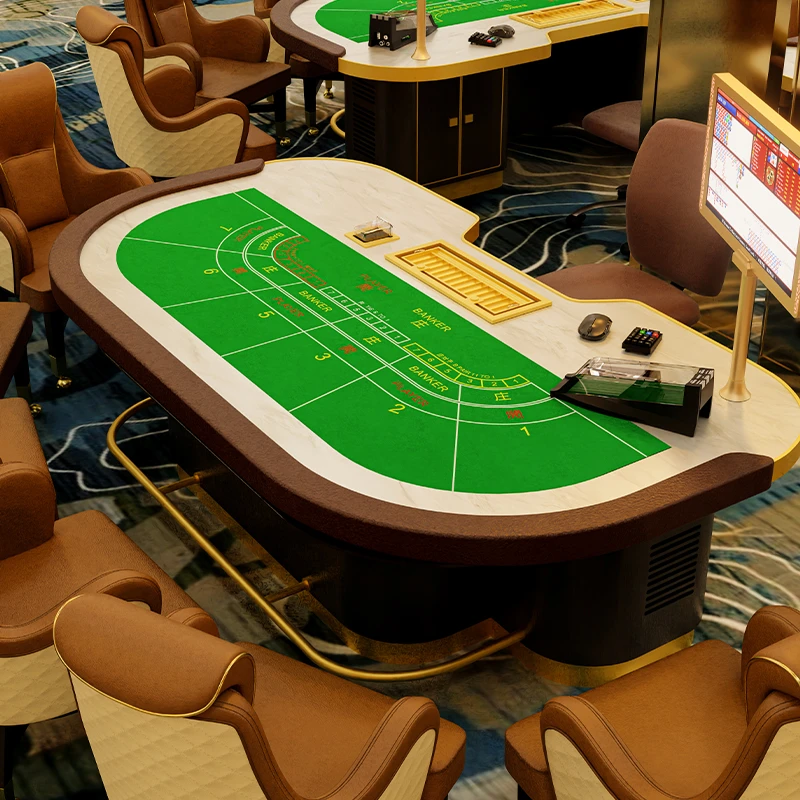
A custom baccarat gaming table is a professionally engineered, made-to-order gaming surface tailored to a casino’s specific operational requirements, brand identity, and pit layout. Unlike standard off-the-shelf tables, custom baccarat tables allow casino operators and distributors to specify exact dimensions, felt materials, chip routing systems, RFID integration, and aesthetic finishes.
In 2026, custom tables are no longer a luxury — they are a strategic asset for operators targeting premium market segments, whether in Macau, Singapore, Las Vegas, or emerging Southeast Asian gaming hubs.
Why Custom Over Standard? The B2B Case
Standard baccarat tables are designed for mass-market casinos with typical pit configurations. For premium operators, several limitations become apparent:
- Space constraints: VIP rooms in high-density properties require non-standard dimensions — extended lengths up to 110 inches to accommodate larger chip trays and additional betting circles.
- RFID integration: A growing number of operators want RFID-enabled tables but find standard models incompatible with their existing cage management systems.
- Brand consistency: Themed casino floors demand custom felt colors and rail finishes unavailable on generic tables.
- Durability: High-throughput floors wearing 400+ hands per day wear standard tables within 18 months; custom builds using industrial-grade materials last 3 to 5 years with proper maintenance.

Key Specifications to Define Before Ordering
1. Table Dimensions and Layout
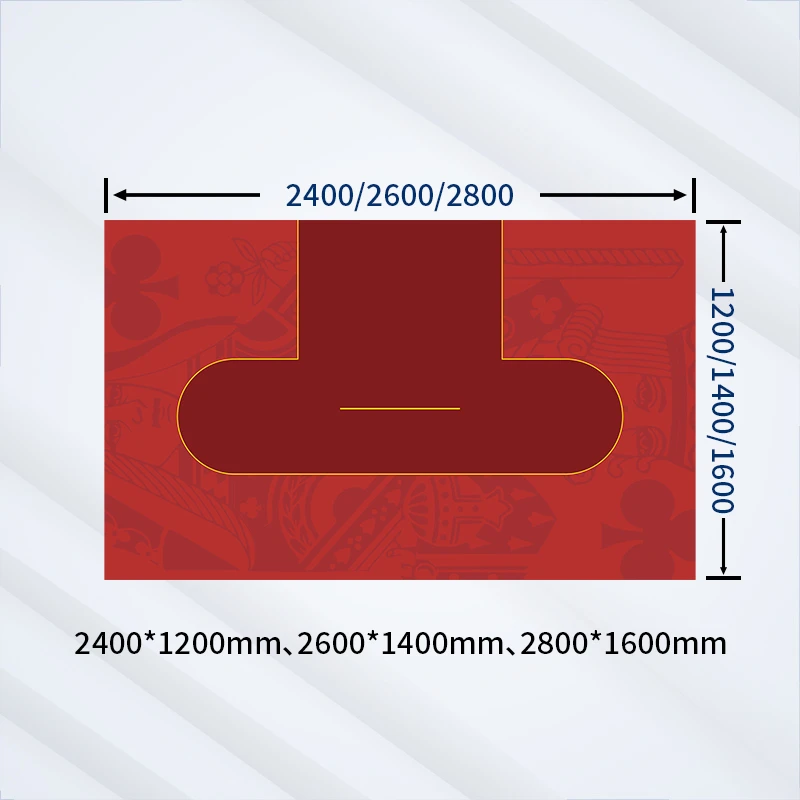
Standard full-size baccarat tables run approximately 92 inches long by 46 inches wide. VIP pit configurations often require extended lengths (up to 110 inches) to accommodate larger chip trays and additional betting circles. Before placing an order, define: total footprint and weight, number of player positions (7 or 9), dealer cut-out dimensions, and rail height and material (leather-wrapped, wood, or metal).
2. RFID Hardware Integration
Custom RFID baccarat tables — like the Customizable RFID Baccarat Table — require pre-planned sensor placement. The RFID reader board must be embedded flush with the table surface, with wiring routed through the table base to the pit network infrastructure. When specifying RFID integration, operators should confirm frequency compatibility (13.56 MHz or UHF), reader board mounting depth, and compatibility with existing cage management systems such as the SiM Cage Management System.
3. Felt and Surface Material
Felt choice directly impacts player perception and table longevity. Options range from standard wool-nylon blends to premium speed-felt coated surfaces. Custom tables allow operators to specify felt color to match casino branding — a significant differentiator in VIP rooms where every visual detail signals quality tier to players.
4. Chip Tray and Routing
Custom tables can be built with integrated chip racks sized for specific denomination inventories. Routing channels can be widened for high-denomination VIP tables or narrowed for mass-floor efficiency.
The 2026 B2B Procurement Checklist
Before engaging a supplier, run through this checklist:
- MOQ and lead time: Most custom table manufacturers require a minimum order of 3-5 units. Lead time is typically 8-16 weeks depending on complexity.
- Warranty terms: Minimum 2-year structural warranty; RFID components should carry at least 12 months coverage.
- Sample approval process: Request a prototype or detailed CAD drawings before bulk production starts.
- Installation support: Confirm whether the supplier provides on-site installation and pit layout consultation.
- Spare parts availability: Custom parts take weeks to source; negotiate a spare parts package upfront.
- Compliance certification: Tables should meet GLI or MGS testing standards for your jurisdiction.
Cost Overview: What to Budget in 2026
Custom baccarat tables range significantly based on specification level:
- Entry-level custom (branded felt, custom dimensions, no electronics): $3,200 – $5,500 per unit
- Mid-range custom (RFID integration, premium materials, chip routing): $5,500 – $9,000 per unit
- Premium custom (full RFID, integrated display mounts, luxury finishes, VIP-spec): $9,000 – $18,000 per unit
For context, the Customizable RFID Baccarat Table is priced from $5,000 — positioning it in the mid-range with full RFID capability included. The Baccarat Gaming Table category covers a full range of configurations from entry to premium.
Custom Tables and RFID: Why the Combination Matters
Operators often treat “custom table” and “RFID integration” as separate decisions. In practice, the two must be planned together from the specification phase. RFID readers embedded in the table base require precise positioning relative to player betting areas. Retrofitting RFID into a standard table after installation is disruptive, costly, and may void the table structural warranty.
A properly specified custom RFID baccarat table enables real-time chip count per position, automated table inventory at shift change, instant detection of counterfeit chips, and integration with pit efficiency analytics — as covered in our RFID casino tables guide.
Supplier Selection: What Separates a Trade Vendor from a True Partner
Not all custom table manufacturers are equal. In 2026, look for suppliers who offer end-to-end service (design consultation, manufacturing, installation, and post-sale support from a single accountable partner), RFID expertise (ability to handle both table construction and electronic integration), casino-specific experience with references from comparable properties, and flexible MOQ for boutique operators or new market entries.
MacauMR.com has published a comprehensive B2B procurement checklist covering supplier vetting, sample approval, and contract negotiation — essential reading before placing any custom order.
Maintenance and Lifespan: Protecting Your Investment
A custom baccarat table is a long-term capital asset. Operators who implement structured maintenance programs extend table lifespan significantly:
- Quarterly felt inspection: Replace worn sections before they affect game quality or player experience
- RFID reader calibration: Annual recalibration ensures consistent chip detection accuracy above 99.5 percent
- Rail refinishing: High-traffic rails show visible wear within 12 months; budget for annual refinishing in VIP rooms
- Hardware firmware updates: Keep reader board firmware updated to prevent security vulnerabilities and maintain cage system compatibility
FAQ
What is the minimum order quantity for custom baccarat tables?
Most manufacturers set a minimum order of 3-5 units for custom baccarat tables. Some suppliers offer single-unit orders for a premium, with longer lead times. Discuss your specific requirements with the supplier to find a workable arrangement.
How long does it take to manufacture custom baccarat tables?
Standard lead time for custom baccarat tables ranges from 8 to 16 weeks, depending on specification complexity, RFID integration requirements, and current production queue. VIP-spec tables with premium finishes typically require 12-16 weeks.
Can RFID be added to an existing standard baccarat table?
Technically yes, but it is not recommended. Retrofitting requires cutting into the table surface, re-routing wiring, and re-calibrating the reader board — all of which disrupt floor operations and may void the table structural warranty. For RFID-equipped floors, specify RFID capability at the time of custom table order.
What certification standards must custom baccarat tables meet?
Requirements vary by jurisdiction. Key certifications include GLI (Gaming Laboratories International) and MGS testing for gaming equipment. In Macau, tables must meet DICJ specifications. Always confirm certification requirements with your regulatory body before placing an order.
How do custom baccarat tables integrate with casino cage management systems?
Custom RFID-enabled tables communicate with cage management software via the RFID reader board embedded in the table. Data is transmitted through the pit network infrastructure to a central server running the cage management system — such as the SiM Cage Management System. Full integration requires coordination between your IT team and the table supplier during the specification phase.