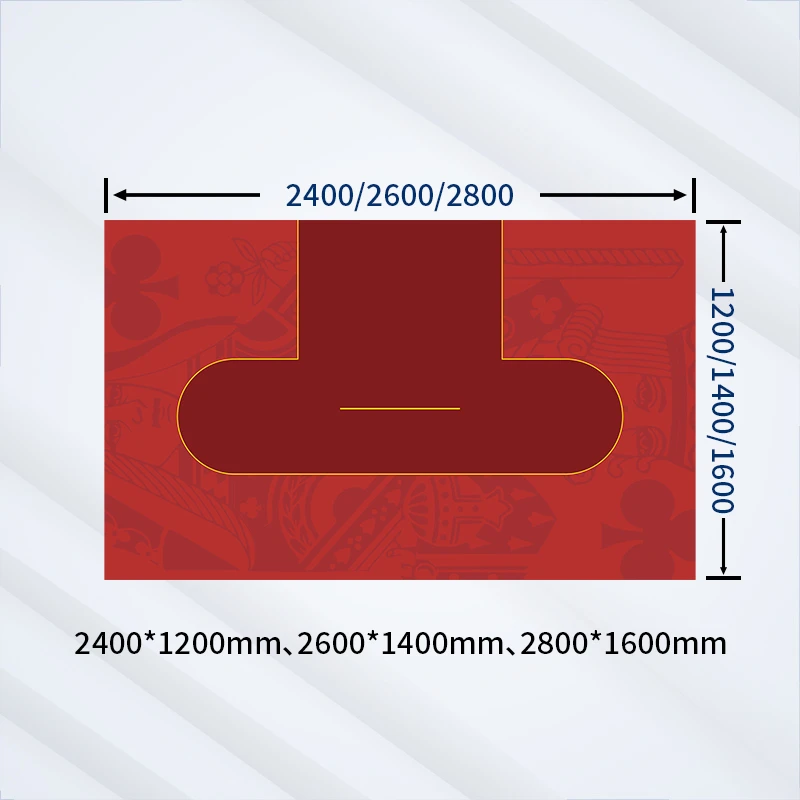
Casino chips, also known as poker chips, gaming tokens, or checks—serve as the essential currency for table games like blackjack, roulette, Texas Hold’em, and baccarat. These small discs not only facilitate seamless betting but also embody a rich history of innovation in casino operations.
This comprehensive guide explores everything from casino chip values and colors to material, their evolution and advanced security features, drawing on industry insights for an authoritative overview.
Basic Functions of Casino Chips
Their primary functions include:
- Convenience: Uniform size and weight allow dealers to quickly count and manage chip stacks, eliminating the hassle of handling cash and making change during fast-paced action.
- Security: Reduces the circulation of cash on the gaming floor, minimizing theft risks; chips hold value only within the casino and are worthless outside, deterring external use.
- Psychological Effect: Betting with chips creates a sense of detachment from real money, making players feel like they’re “playing with tokens” rather than actual currency. This abstraction encourages longer play sessions and higher wagers, subtly enhancing the casino’s house edge advantage.
- Anti-Counterfeiting and Management: Modern chips often embed RFID tags or ultraviolet (UV) markings, enabling casinos to track inventory, authenticate tokens in real-time, and prevent fraud during high-volume operations.

The History of Casino Chips: From Primitive Tokens to Modern Marvels
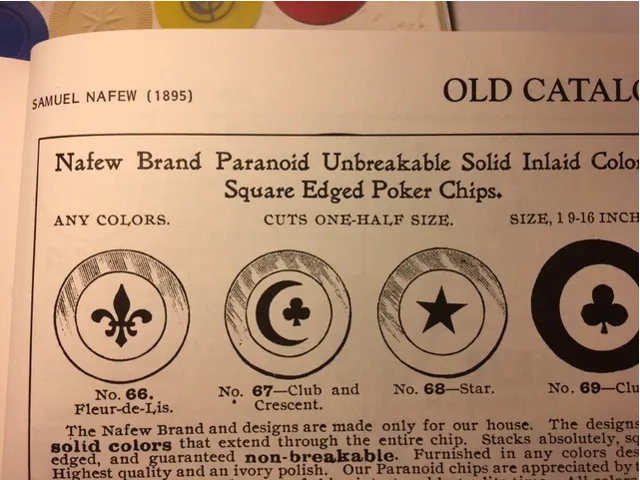
The origins of casino chips trace back to the early 1800s, when gaming houses relied on rudimentary markers crafted from ivory, wood, bone, or engraved clay to represent monetary values. These early tokens, often called jettons or fiches, were prone to counterfeiting and lacked standardization, leading to disputes among players and dealers. As gambling saloons proliferated in the American Wild West and Europe, the need for durable, secure alternatives became evident.
By the late 1800s, specialized manufacturers introduced molded clay chips, marking the birth of the modern casino token. This shift allowed casinos to customize designs, incorporating unique markings and weights to deter fraud. The 1900s saw the rise of clay composite materials with additives for enhanced durability, replacing brittle pure clay versions. Today, chips have evolved into high-tech assets, blending tradition with cutting-edge technology to support global casino ecosystems from Las Vegas to Macau. This timeline underscores how casino chips history reflects broader advancements in gaming security and player convenience.
Types of Casino Chips: Cash, Non-Negotiable, and Specialized Variants
Casino chips come in various forms, each tailored to specific games and operational needs. Understanding these types ensures players can navigate buy-ins, cash-outs, and promotions effectively.
- Cash Chips (Negotiable Chips): The most common type, these can be directly exchanged for money at the cashier’s cage. They’re used across table games and represent standard denominations for straightforward betting.
- Non-Negotiable Chips (Rolling Chips or Mud Chips): Prevalent in high-roller areas like Macau’s junket rooms, these are issued as promotional incentives. They can’t be cashed out directly; winnings must be rolled over into cash chips, often tied to commission structures for junket operator (typically 0.7%-1.3%).
- Color Chips: Exclusive to games like roulette, each player receives a unique color set to distinguish bets on the wheel. These are non-negotiable and must be exchanged back at the table upon leaving.
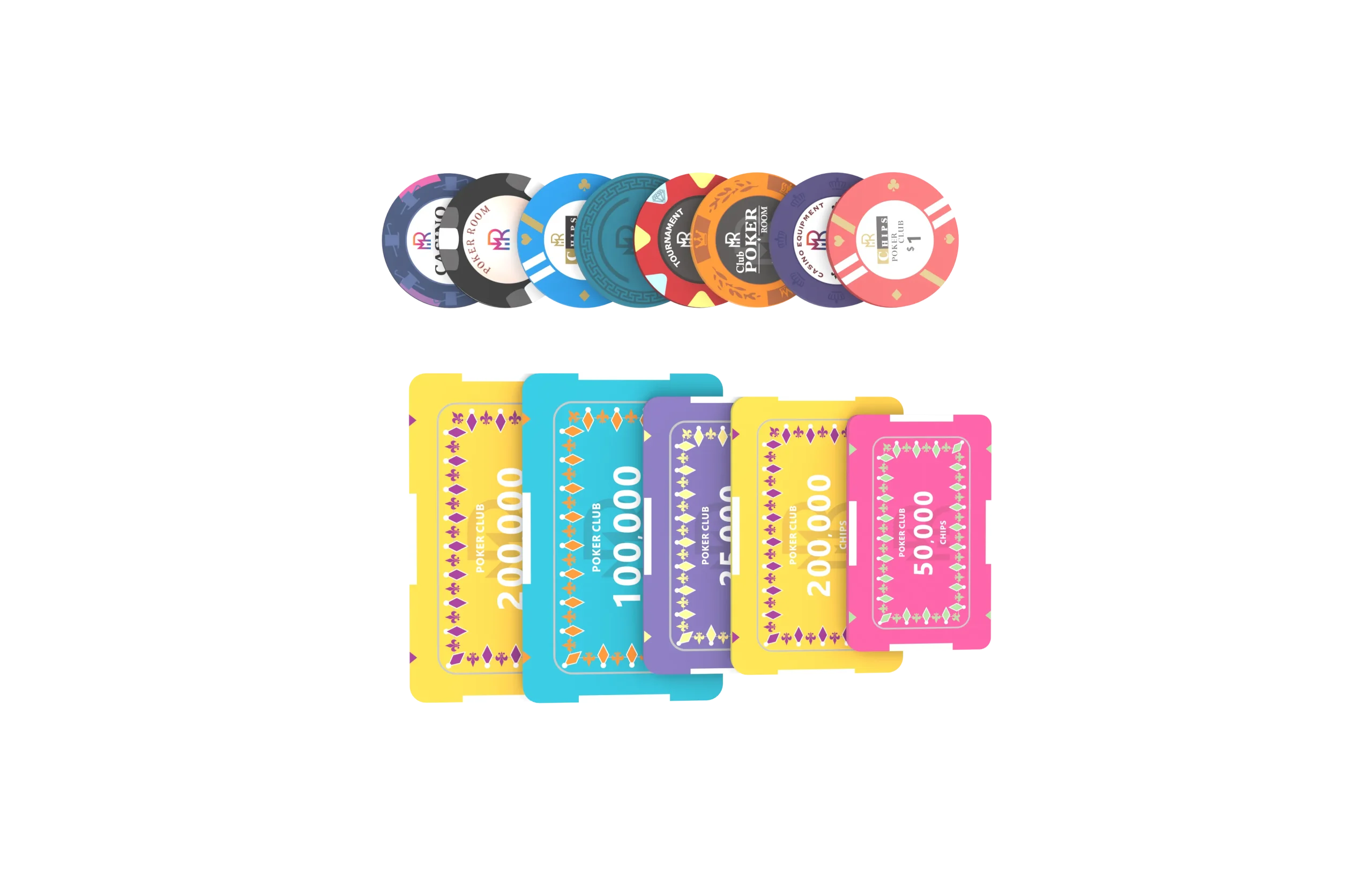
- Plaques: Rectangular or square tokens for ultra-high denominations (e.g., $5,000+), favored in baccarat salons or high-limit tables for their ease of handling in large stacks.
Metal token coins are sometimes used in slot machines, but true casino chips dominate table play, offering versatility and security.
Casino Chip Values and Colors: Standard Denominations Explained
One of the hallmarks of casino chip values is their color-coded system, which allows dealers to quickly assess chip stacks during fast-paced action. While variations exist by casino (e.g., Las Vegas vs. Atlantic City), a global standard has emerged for efficiency.
| Chip Color | Standard Value (USD/HKD) | Common Use |
|---|---|---|
| White/Blue | $1 | Low-stakes bets, tips for dealers |
| Red | $5 | Entry-level wagers in blackjack or craps |
| Green | $25 | Mid-range betting in roulette or poker |
| Black | $100 | High-stakes play, often in VIP sections |
| Purple | $500 | Serious gamblers in baccarat or high-limit games |
| Orange/Yellow | $1,000+ | Whale-level action, with custom designs for larger sums |
These colors prevent confusion and align with psychological cues—brighter hues for lower values encourage casual play, while darker tones signal premium stakes. In poker tournaments, custom sets may deviate, but casino chip colors remain a universal language in professional settings.
Materials and Design: Crafting the Perfect Casino Token
Modern casino chips are engineered for durability, feel, and aesthetics, balancing tactile satisfaction with practical functionality on the gaming floor. Professional casinos prioritize materials that deliver an authentic “clink” sound, secure stacking, and long-term resistance to wear during intense sessions at high-limit tables or poker tournaments.
Clay Composite Materials
Most premium casino tokens are crafted from clay composite materials—a blend of clay with resins and additives for enhanced strength. Thanks to the incorporation of a RFID inlays or metal insert (typically an iron slug or brass/zinc plate), these chips achieve a substantial weight of 8-14 grams (commonly 10-11.5g), providing that signature heft and grip favored by dealers and players alike.

Ceramic Materials
Texas Hold’em tournaments utilize ceramic chips (often a durable plastic resin composite), offering superior smoothness, vibrant full-face printing, and exceptional longevity.

Acrylic Materials
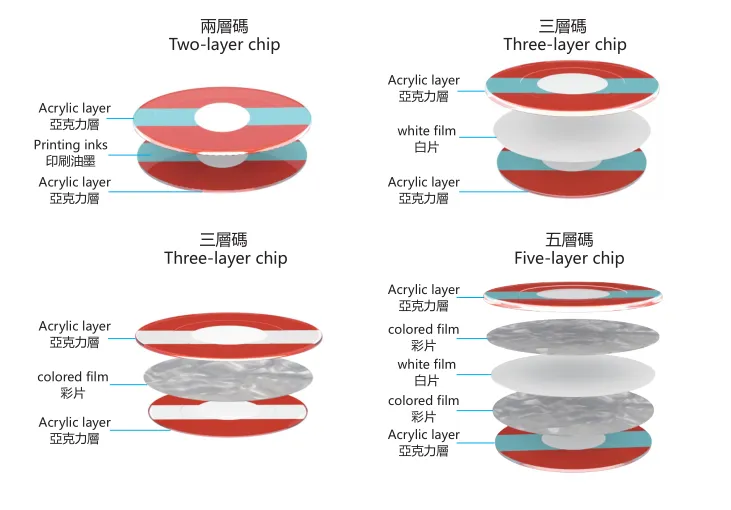
Acrylic casino chips represent a specialized category, particularly popular for rectangular plaques used in high-denomination play (e.g., $5,000+ in baccarat salons). Made from transparent or layered polymethyl methacrylate (PMMA), acrylic chips allow for multi-layer constructions (two-, three-, or five-layer) with embedded color films, RFID inlays, or intricate laser-engraved patterns.
Design elements across all materials include edge spots (multi-colored rim patterns for quick denomination identification), central inlays with casino branding, and high-resolution graphics. These features not only elevate the player experience—encouraging prolonged buy-ins and bets—but also bolster security features, rendering counterfeiting exceedingly difficult in regulated environments.
Advanced Security Features in Casino Chips
Counterfeiting poses a constant threat in the casino industry, prompting the integration of sophisticated safeguards. Key casino chip security features include:
Unique Designs and Textures
Custom logos, edge alignments, and weights that dealers recognize instantly.
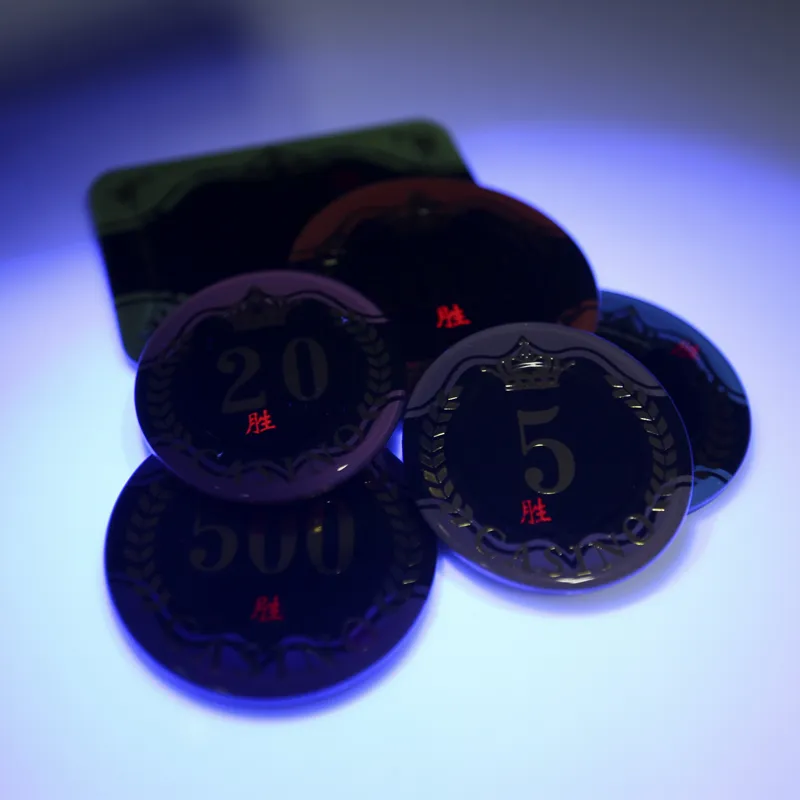
UV Markings and Holograms
Invisible under normal light but glow under ultraviolet, revealing hidden patterns or serial numbers.
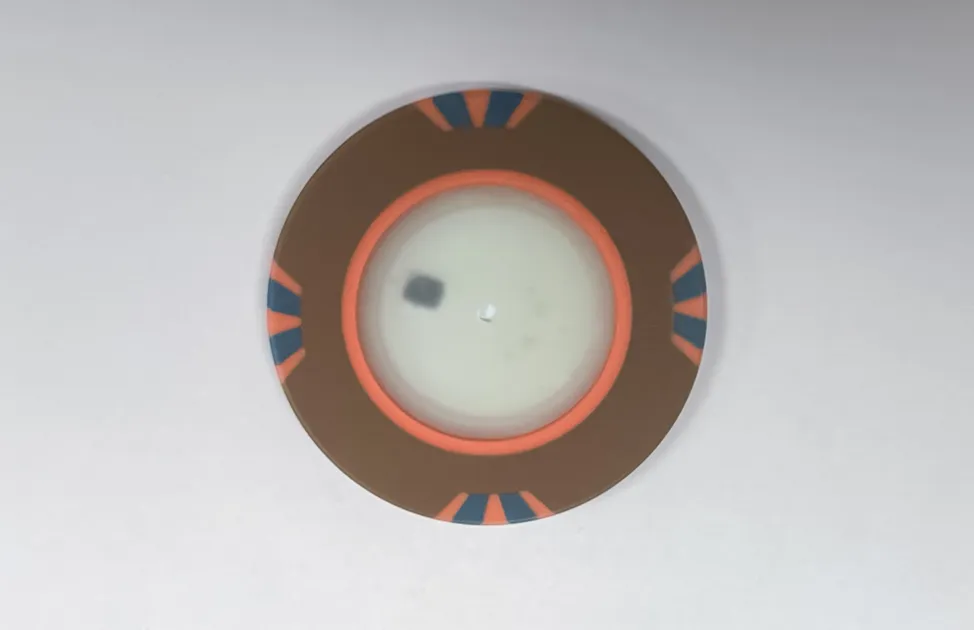
RFID Technology
Embedded microchips in high-value chips allow real-time tracking via radio-frequency identification, syncing with casino systems to detect anomalies and prevent theft.
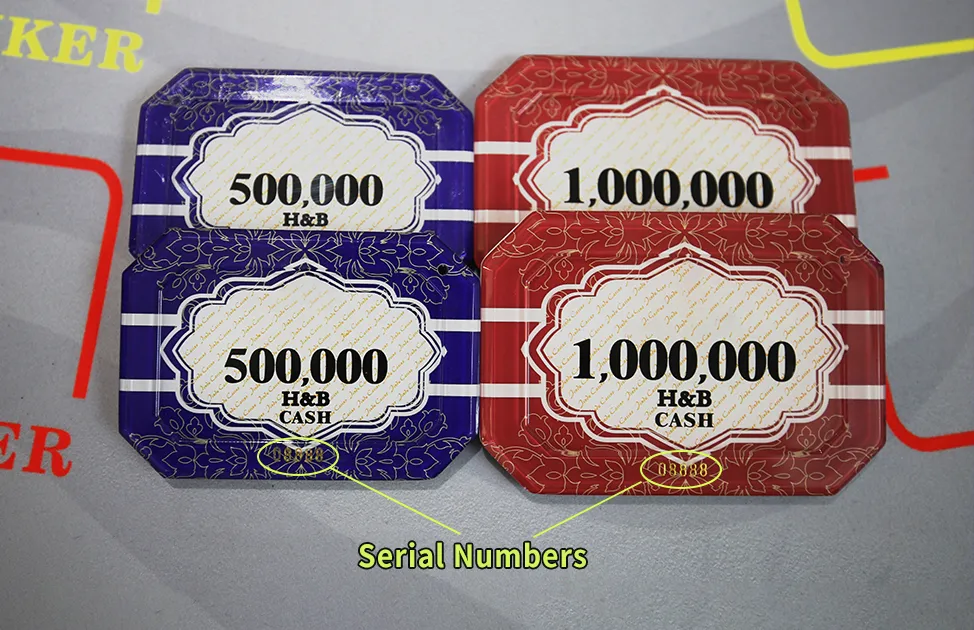
Microdots and Serial Numbers
Tiny etched details or printed codes for authentication during cash-outs.
These measures, combined with staff training, ensure the integrity of games and protect against fraud, maintaining trust in the gaming floor.
How Casino Chips Enhance the Gaming Experience
Beyond functionality, casino chips play a psychological role by distancing players from real cash, encouraging longer sessions and higher bets—a subtle nod to the house advantage. In practice, players buy in at the table or cage, stack chips strategically (e.g., in poker chip stacks for bluffing), and color up (exchange lower denominations for higher) to streamline play. This system minimizes cash handling, boosts security, and keeps the action flowing.
Conclusion: Why Casino Chips Remain Indispensable
From their humble beginnings to today’s tech-infused designs, casino chips are more than mere tokens—they’re the backbone of modern gambling. By mastering casino chip values, colors, and features, players can engage more confidently, whether at a bustling craps table or an exclusive salon privé. For casino operators, these elements ensure operational efficiency and fraud prevention. As the industry evolves, expect even more innovations in gaming tokens, solidifying their place in the thrilling world of chance.
FAQ: Common Questions About Casino Chips
Casinos use chips for multiple reasons: enhanced security (reducing cash theft), operational convenience (uniform stacking and quick counting by dealers), anti-counterfeiting measures, and a subtle psychological effect that encourages longer play by abstracting the value of money, ultimately supporting the house edge.
Professional chips primarily use clay composite (with metal inserts for weight) or ceramic materials for durability and authentic feel. Acrylic is common in rectangular plaques and promotional sets.
Yes—many modern high-value chips embed RFID tags for real-time tracking, inventory management, and fraud detection. Combined with UV markings and holograms, these features make counterfeiting extremely difficult.
Cash chips (negotiable) can be directly redeemed for money. Rolling chips (non-negotiable or mud chips, common in Macau junket operations) are promotional tools that require rollover before cashing out winnings, often tied to commission structures.
Plaques are rectangular high-denomination tokens (typically $5,000+), favored in baccarat salons and high-roller tables for easier handling of large stacks compared to round chips.
Yes, players can absolutely take casino chips home from the gaming floor—it’s completely legal and a common practice in the industry, especially in major hubs like Las Vegas or Atlantic City.