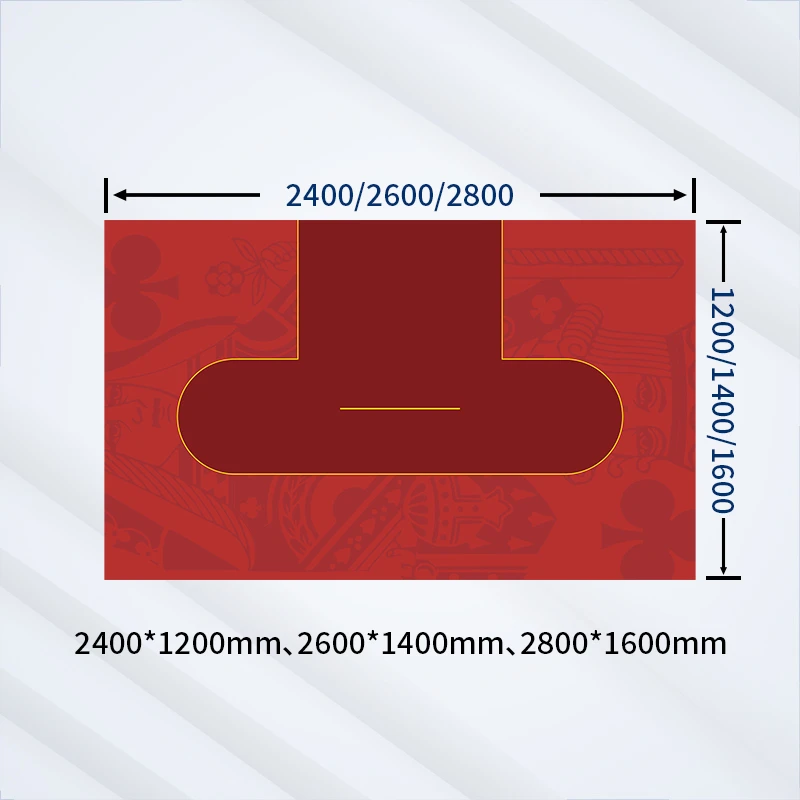
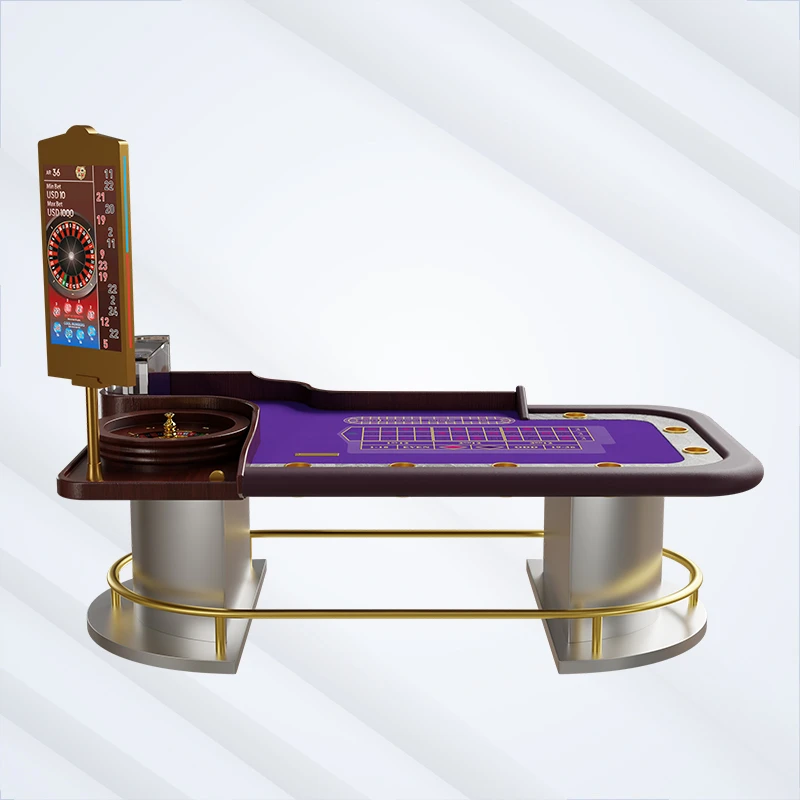
Yes, unequivocally, and in Macau’s 2026 reality, they are doing it at scale with proven, measurable results.
RFID-enabled smart tables aren’t hype. They are the single most effective tool operators have deployed in recent years to lock down theoretical hold leakage, kill classic fraud vectors (late bets, past-posting, chip switching, dealer collusion), and turn endless “he said, she said” disputes into timestamped, indisputable electronic evidence.
In high-volume Asian pits (especially baccarat, Niu Niu, and Dragon Tiger) where every second of downtime costs theo and every missed side-bet trigger bleeds basis points, embedded 13.56 MHz antenna arrays under the felt deliver real-time chip authentication, automatic bet validation, and full audit trails. The outcome? House edge stays protected closer to model (1.06% Banker hold isn’t just theoretical anymore), dispute rates plummet, and floors run faster shoe cycles. Leading concessionaires have rolled this out aggressively, and the numbers speak louder than any vendor pitch.

The Real Vulnerabilities That Eat Your Hold. And How RFID Closes Them
Traditional tables rely on dealer eyes, pit boss oversight, and post-hand verification. In crowded mass baccarat shoes or high-limit Niu Niu banker rotations, that creates inevitable shrinkage:
- Late bets after “no more bets” → direct theo leakage.
- Unverified side-bet triggers (Dragon 7 pays 40:1, but missed = lost revenue).
- Counterfeit insertion or chip switching in the heat of play.
- Dealer-player collusion on payouts or side bets.
- Payout disputes that halt the table for minutes.
These aren’t rare; they’re daily friction in Macau pits. RFID changes the math: every DICJ-compliant chip has a unique ID read in milliseconds across all betting circles and side zones. Late bets auto-reject. Anomalies flag instantly. Post-hand, surveillance pulls exact trails, no arguments, no floor halts.
Result: actual hold tightens toward theoretical, with operators reporting near-zero incidents of classic fraud post-rollout. Shrinkage from human error and internal blind spots drops dramatically, and the recovered margin compounds across the floor.
Dispute Resolution: From Table-Killing Minutes to Milliseconds
Nothing kills table velocity like a prolonged argument. A single high-roller dispute over a missed Natural 8 side bet or disputed payout can freeze a premium mass table for 10–15 minutes, multiplied across shifts, that’s massive lost hands.
RFID’s electronic logs flip this: timestamped bet position, chip value, and outcome data sync to CMS and surveillance. Pit bosses and surveillance teams retrieve proof in seconds. Operators upgrading see:
- A marked fall in disputes.
- Much faster table counting & shift changes.
- Fewer interruptions → sustained excitement for players.
Player trust rises too, transparent validation means longer sessions, bigger average bets in high-limit salons.
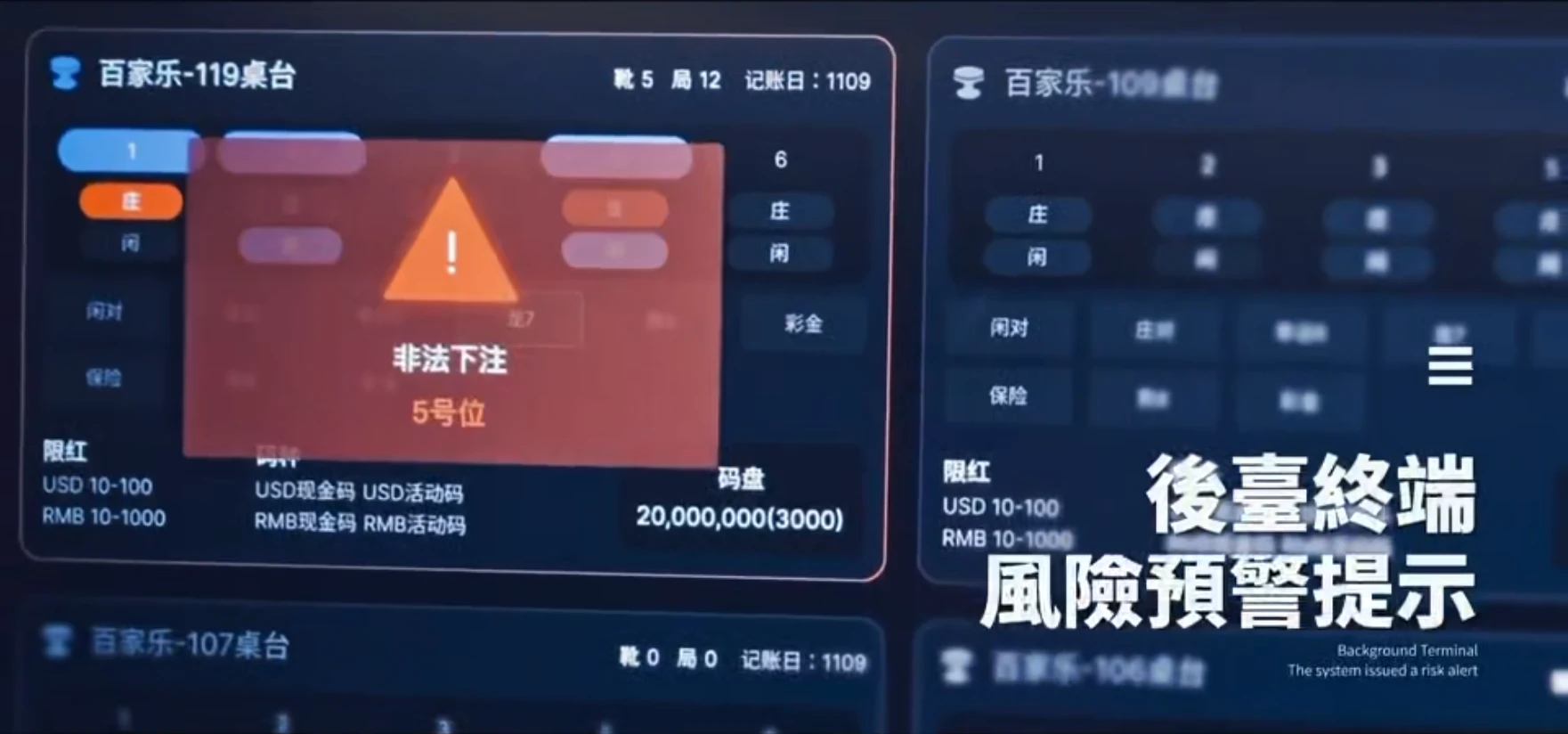
How a disputed hand is settled with an RFID table
A dispute starts the same way on any table: a player and a dealer disagree about what was wagered. What changes with an RFID table is where the answer comes from. Because each betting position is read as the round develops, the table holds a record of which chips were in which box when the round closed.
A supervisor opens that round in the management system and reads the positions in question. Where the record and the player account differ, the difference is visible in the log rather than inferred from camera footage, and it does not depend on how well a particular camera angle covers the box.
The same record settles the table against the cage, because the chips that left the tray are the chips that arrived at the position.
What affects read performance, and what to do about it
RFID reads are dependable when the reading zone is designed for the room. The factors that matter most are:
- Chip protocol and inlay placement, which decide whether a chip reads at all
- Stack height in the betting box, since a tall stack behaves differently from a single chip
- Metal nearby, including trays, table frames and drop boxes, all of which can detune an antenna
- Calibration after installation, which should be carried out with the live chips and the finished felt in place
- Reading frequency, which trades processing load against how quickly a change at the table is picked up
These are engineering decisions rather than limits of the technology, and they belong in the specification rather than in a post-installation fix.
2026 Macau Reality: Adoption, Metrics & Bottom-Line Wins
By early 2026, RFID smart tables are no longer pilots; they’re standard across major concessionaires. MGM China pioneered large-scale deployment (full mass baccarat coverage observed), followed by aggressive rollouts from Sands China (Angel hybrid tables complete across mass baccarat), Galaxy, Melco, Wynn, and SJM. Smart tables are spreading quickly across Macau’s floor, driven by regulatory encouragement for traceable operations and competitive pressure.
Key 2026 metrics from operator experience and analyst reports:
| Metric | Typical Impact | Real-World Context (Macau 2025–2026) |
|---|---|---|
| GGR Organic Uplift | Up to 5.9% | Faster hands-per-hour from automated verification |
| Game Speed / Shoe Throughput | +20–30% faster cycles | More hands per hour without added staff |
| Dispute & Shrinkage Reduction | 40–60% drop; up to 80% in key areas | From electronic trails & anomaly detection |
| Counting Efficiency | -70% time on tray reconciliation | High-frequency scans |
| ROI Timeline | 12 months (hardware payback) | Full optimization within months; payback in the first year |
| Side-Bet Revenue Share | Up to 45–50% of baccarat GGR | Precise tracking unlocks higher-payout options |
Figures in this comparison are illustrative planning estimates for scoping a project, not measured results from a particular property.
These are typical ranges observed across deployments; actual results depend on table mix and chip volume. High-limit salons see fastest payback; mass floors gain from sheer volume.
Limitations? Be Realistic. But Manageable
No tech is perfect:
- Stacked high-denom chips can cause rare misreads (mitigated by premium embedded antennas).
- Doesn’t stop true advantage play (edge sorting, shuffle tracking).
- Upfront capex for custom builds (retrofits lower the barrier significantly).
Demand: embedded (not surface) antennas, full DICJ chip compatibility, modular design for existing layouts, and tight CMS/surveillance integration. Choose suppliers with proven Macau track record.
Secure Your Edge Before 2026 Peaks
If your pits still run on manual verification, you’re leaking theo daily while competitors lock it down. RFID-enabled casino gaming tables aren’t future tech; they’re 2026 floor standard in Macau, delivering ironclad house-edge protection, dispute elimination, and measurable revenue acceleration.
At Macaumr, we build custom RFID tables optimized for Asian layouts (baccarat to Niu Niu) with seamless DICJ integration, local support, and proven ROI paths.
FAQ About RFID-enabled Casino Gaming Tables
Baccarat dominates (multi-zone side bets shine), followed by Niu Niu, Dragon Tiger, blackjack insurance. Mass baccarat tables lead adoption.
Chip/bet data only, no personal ID tracking. Full AML audit trails, compliant with current DICJ standards.
Tighter hold protection + faster throughput = compounding GGR advantage. Early adopters (MGM, Sands) maintain lead.
Yes, modular retrofits make entry low. High-limit areas often see 12-month payback; mass floors compound through volume.
Dispute resolution depends on the chips as much as the table: the RFID poker chips we supply carry the unique identifiers the readers log.
The chips are only part of the stack, browse the RFID poker tables built to read them.
For the revenue and floor-efficiency case, see how RFID casino gaming tables secure the pit.