What Is a Casino Drop Box and Why Does It Matter?
Every time a player buys chips at the gaming table, that transaction eventually flows through a small, often-overlooked container: the casino drop box. Mounted beneath the table rail, the drop box is where cash, chip fills, and credit slips are collected before being transported to the count room. While the drop box itself is simple in design, the systems surrounding it—including electronic drop systems, RFID-enabled cash boxes, and automated reconciliation software—have become critical infrastructure for any casino serious about protecting its revenue.
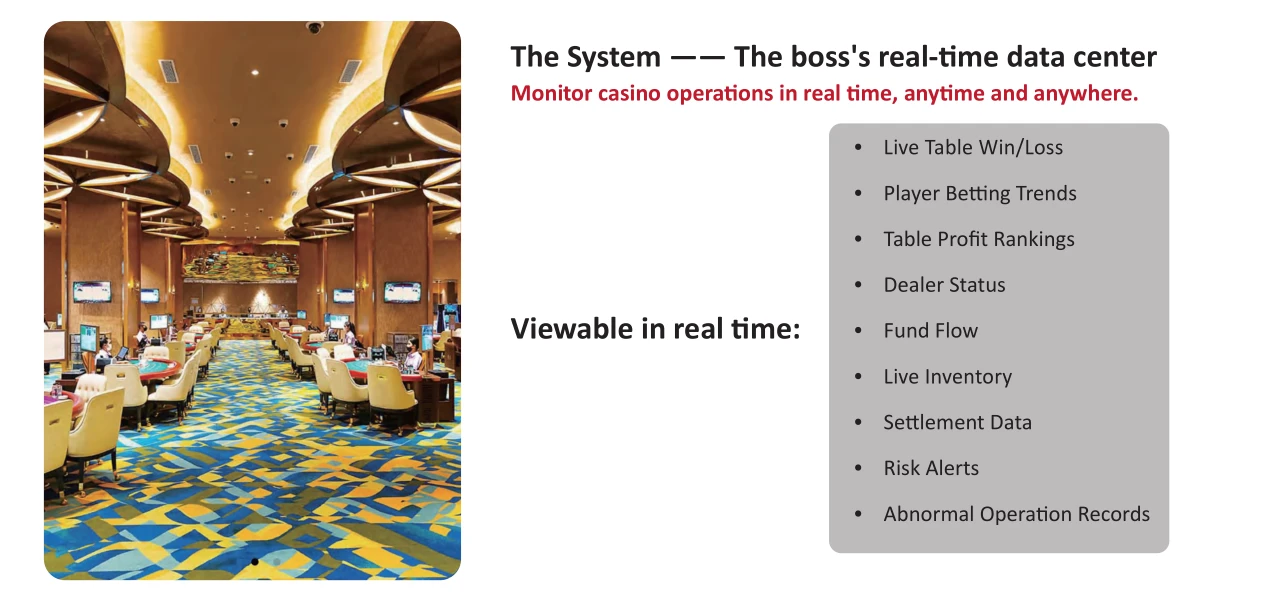
In 2026, revenue leakage at the table games level remains one of the costliest operational inefficiencies in casino management. A single undetected discrepancy in the drop and count process can cascade into significant financial losses over a single shift. Modern casino operators understand that investing in advanced drop box management technology is not just about compliance—it is about closing the gap between gross gaming revenue (GGR) and actual net win.
How the Traditional Drop Process Works
To understand why technology upgrades matter, operators need a clear picture of the traditional drop process. In a conventional casino floor, the workflow follows a roughly standardized sequence:
- The pit boss authorizes a chip fill or credit collection at the gaming table
- The dealer or floor supervisor places cash or slips into the drop box slot
- The locked drop box accumulates these items throughout the shift
- A drop team—typically two or more staff members—collects the boxes on a scheduled basis
- The boxes are transported to the count room where their contents are verified against floor records
- Discrepancies are flagged and investigated
Each of these steps carries inherent risks. Manual handling creates opportunities for human error, and even with strict procedural controls, the absence of real-time data visibility means problems are often discovered hours after they occur. By that point, reconstructing the events of a particular shift becomes a forensic exercise rather than a preventive one.

The Core Problems with Manual Drop Box Operations
Discrepancies Between Floor Records and Count Room Totals
The most common issue operators face is the mismatch between what was recorded on the gaming floor and what arrives in the count room. A dealer may process a chip fill without properly documenting it. A supervisor may forget to log a credit slip. These small errors compound across hundreds of transactions per shift, leading to variances that are difficult to reconcile without robust tracking infrastructure.
Lack of Real-Time Visibility
In traditional setups, the drop box is essentially a sealed container until it is opened in the count room. Floor managers and cage supervisors have no real-time insight into how much cash is accumulating in each box, whether scheduled drop times are being followed, or whether any boxes have been tampered with during the shift. This information lag makes proactive management nearly impossible.
Vulnerability to Internal Theft
The count room, where drop boxes are opened and contents verified, is a high-risk environment for internal theft. Studies by gaming regulators consistently identify the drop and count process as one of the top areas where casino employees attempt to misappropriate funds. Without technology that creates a tamper-evident, auditable chain of custody, operators rely heavily on personnel background checks and surveillance alone—neither of which provides real-time detection.
Labour Inefficiency
Manual drop processes require dedicated drop teams operating on rigid schedules. In casinos with large gaming floors, this means significant labour costs for staff whose primary function is physical collection and transportation. Moreover, the fixed schedule means drop boxes can become overfilled during peak hours, creating safety risks and increasing the chance of jams or errors at the slot.
Smart Drop Box Technology: What Modern Casinos Are Deploying
The new generation of casino drop box systems addresses these problems through a combination of electronic sensors, RFID integration, and networked software platforms. Here is what leading casino operators in Macau, Singapore, and Las Vegas are implementing across their gaming floors.
Electronic Drop Systems with Real-Time Monitoring
Electronic drop systems replace traditional mechanical boxes with units that track every insertion in real time. Each time a chip fill slip, credit instrument, or cash is inserted, the system logs the transaction with a timestamp, table number, and operator ID. This data is transmitted wirelessly to a central operations dashboard, giving floor managers continuous visibility into drop box status across the entire casino.
The immediate benefit is faster exception management. Instead of discovering a discrepancy at the count, supervisors can investigate anomalies during the shift when witness memory is fresh and surveillance footage is readily available. This shift from reactive to proactive oversight is one of the most significant operational advantages of electronic drop technology.
RFID-Enabled Cash Boxes and Chip Tracking
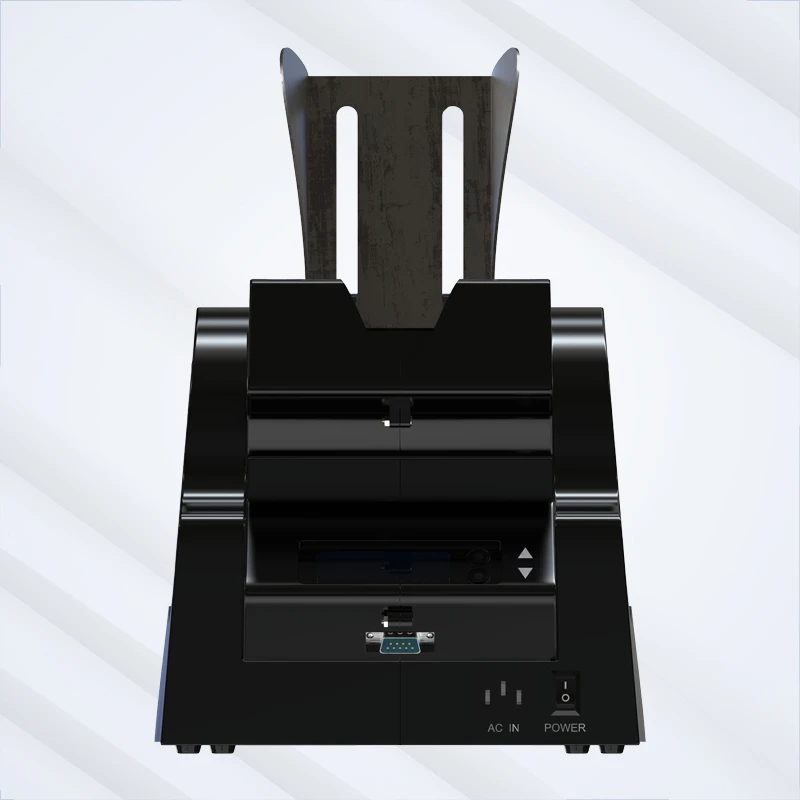
RFID chip technology is transforming not just chip tracking on the gaming floor but also the cash handling process downstream. When RFID-tagged chips move through the cage and into drop boxes, each transaction can be cross-referenced against the drop box record. This creates a closed-loop verification system where every chip in the casino has a documented trail from issuance to return.
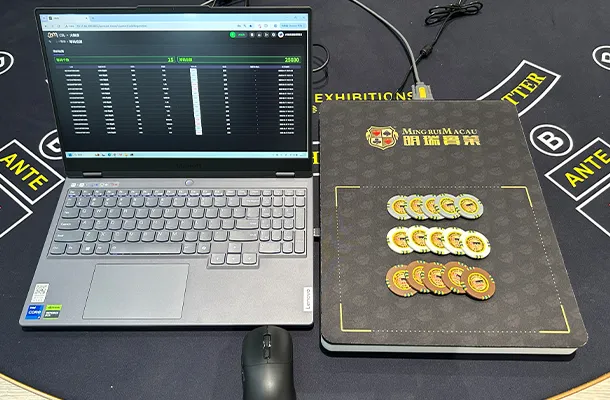
The SiM Cage Management System exemplifies this integration, combining RFID chip tracking with cash box management in a unified software platform. For casinos running high-volume table games, this level of integration significantly reduces the labour required for manual reconciliation while improving accuracy.
Tamper-Evident Smart Boxes
Modern drop boxes are increasingly equipped with tamper-evident sensors that detect unauthorized opening attempts. If a box is physically compromised between the table and the count room, an alert is immediately sent to security. This capability transforms the drop box from a passive container into an active security device, making opportunistic theft far more risky and detectable.
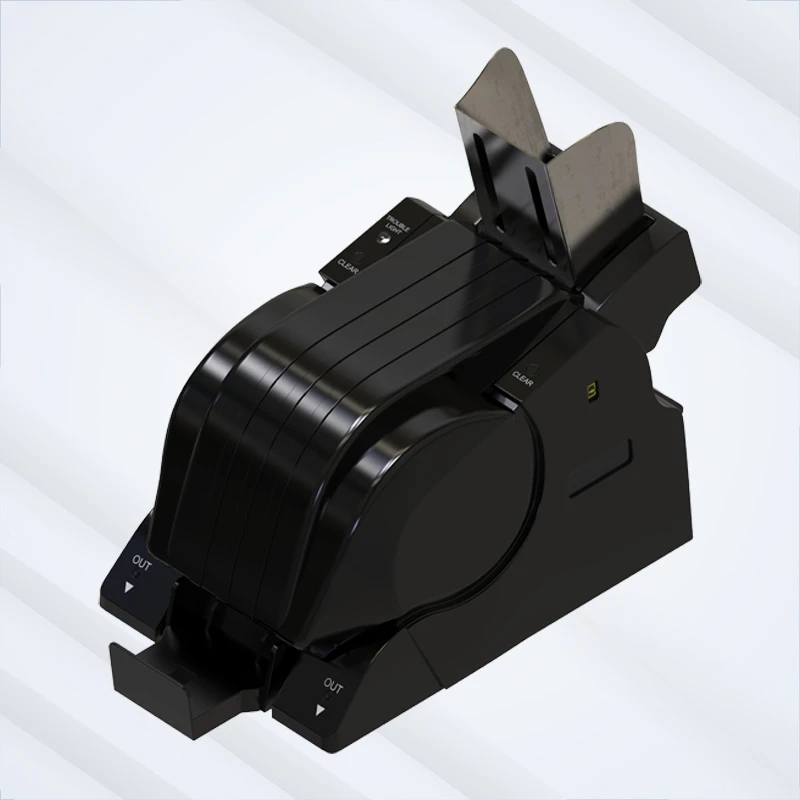
The Casino Cage RFID Chips Reader works in tandem with these smart boxes, allowing count room staff to verify chip authenticity and quantities in seconds rather than minutes, reducing the window during which tampering might go unnoticed.
Integrating Drop Box Data with Casino Operations Software
A drop box system is most powerful when it is part of a broader casino operations ecosystem. Leading systems integrate with the cage management platform, the surveillance network, and the table management software to create a unified operational view.
When a drop box record is linked to a cage transaction, the system can automatically verify that the fill authorized on the floor matches the cash received in the count room. Any variance triggers an immediate notification to the pit boss and cage manager, allowing for on-the-spot resolution rather than a delayed investigation. Operators looking to explore integrated chip and cage solutions can browse our cage chips system collection for compatible hardware and software options.
Surveillance integration adds another layer of accountability. When a drop box anomaly is flagged, the system can automatically cue the relevant surveillance footage, saving hours of manual review. This combination of transactional data and video evidence makes it far easier to distinguish between operational errors and deliberate misconduct.
Best Practices for Implementing Drop Box Management Technology
Start with a Baseline Audit
Before deploying any new technology, operators should conduct a thorough audit of their current drop and count process. This includes mapping every step in the workflow, identifying the frequency and magnitude of historical variances, and quantifying the labour cost of the current process. Without this baseline, it is impossible to measure the return on investment from a technology upgrade.
Prioritise Integration with Existing Systems
A standalone electronic drop box system provides limited value compared to one that is fully integrated with the cage, surveillance, and table management platforms. Operators should evaluate vendors based on the depth and flexibility of their integration capabilities. Chip-level RFID data feeds into broader operational platforms in much the same way—our casino chips collection showcases the range of RFID-compatible products that support this ecosystem approach.
Train Staff on New Procedures
Technology is only as effective as the procedures that govern its use. Drop box technology changes the responsibilities of dealers, floor supervisors, drop team members, and count room staff. A comprehensive training programme should accompany every implementation, covering not just how to operate the new equipment but also how to respond to system alerts and anomalies.
Establish Clear Escalation Protocols
When an electronic drop system flags a discrepancy, the response must be fast and coordinated. Operators should establish clear escalation protocols that define who receives the alert, what information is required for initial triage, and what steps constitute a full investigation. Delayed or inconsistent responses undermine the system’s deterrent effect.
Regulatory Compliance and Drop Box Management
Gaming regulators in every major jurisdiction impose strict requirements on how casinos handle cash, chips, and credit instruments. These regulations typically specify minimum standards for drop box security, count room procedures, and record retention. Modern electronic drop systems are designed with these requirements in mind, generating audit-ready reports that satisfy regulatory scrutiny while reducing the administrative burden on casino staff.
In Macau, where gaming regulation is among the most stringent globally, casinos are required to maintain detailed records of all table game transactions from the point of issuance through to final reconciliation. Electronic drop box systems that timestamp every insertion and generate immutable digital records align naturally with these compliance requirements. Similar standards apply in Singapore, the Philippines, and key European gaming markets.
For operators upgrading their entire table game infrastructure, our casino game table collection includes tables designed for seamless integration with electronic drop and RFID systems. Choosing equipment that is compatible from the start reduces retrofitting costs and accelerates the path to a fully connected gaming floor.
Measuring the ROI of Drop Box Technology Investment
Operators evaluating drop box management technology should consider both direct and indirect returns. Direct returns include revenue recovered from reduced discrepancies, labour savings from optimized drop schedules, and reduced losses from internal theft. Indirect returns include improved surveillance efficiency, faster regulatory audits, and better data for strategic decision-making.
For a practical framework on quantifying these returns, see our article on casino cage management system ROI, which details the cost-benefit methodology applicable to any RFID-based operational upgrade.
A typical return on investment analysis for electronic drop box systems should account for the cost of hardware (drop boxes, sensors, network infrastructure), software licensing, installation and integration, staff training, and ongoing maintenance. For a mid-sized casino with 50 to 100 gaming tables, most operators see payback within 12 to 24 months, with ongoing annual savings in labour and variance reduction that compound over time.
Understanding the authentication side of the equation is equally important. Our article on RFID casino chip verification explains how real-time authentication at the table level prevents the introduction of counterfeit chips into the drop process—another common source of revenue leakage that electronic drop box systems are designed to detect.
FAQ
What is a casino drop box and what goes inside it?
A casino drop box is a locked container mounted beneath the rail of a gaming table where cash, chip fill slips, credit instruments, and other monetary documents are deposited during gameplay. It is collected by a drop team and taken to the count room for verification against floor records.
How does an electronic drop box differ from a traditional drop box?
An electronic drop box is equipped with sensors and network connectivity that log every insertion in real time, transmitting transaction data to a central dashboard. Traditional drop boxes are purely mechanical and contain no electronic components, meaning all verification happens after the box is opened in the count room.
Can drop box systems integrate with RFID chip tracking?
Yes. When a casino uses RFID-tagged chips, drop box systems can cross-reference chip movements with cash transactions at the cage, creating a closed-loop verification chain. This integration is a core feature of modern cage management systems.
What happens if a drop box is tampered with?
Modern smart drop boxes are equipped with tamper-evident sensors that trigger an immediate alert to security personnel if the box is opened outside of authorized procedures. The system also logs the time and location of the alert for investigation purposes.
How often should casino drop boxes be collected?
Collection frequency depends on casino volume and regulatory requirements. Most casinos conduct a hard drop (complete box removal and replacement) at least once per shift, with soft drops (partial collection while the box remains installed) as needed during peak periods. Electronic systems allow operators to optimize collection schedules based on actual fill volume rather than fixed time intervals.