In high-stakes gaming environments (where high-limit poker, baccarat, and mixed-game tables drive the bulk of gross gaming revenue) chip security is non-negotiable. Counterfeit chips, internal collusion, and inventory shrinkage represent silent profit killers, with mid-size casinos hemorrhaging $200K–$1M+ annually from undetected fakes, stolen stacks, and reconciliation errors.
Traditional clay or composite chips offer zero intrinsic authentication. Sophisticated forgeries now replicate weight, feel, edge spots, and UV markings so precisely that visual cage checks fail under pressure. Once a bogus high-denomination chip hits the felt or cage, the house pays real cash, directly eroding hold percentage and inflating variance.
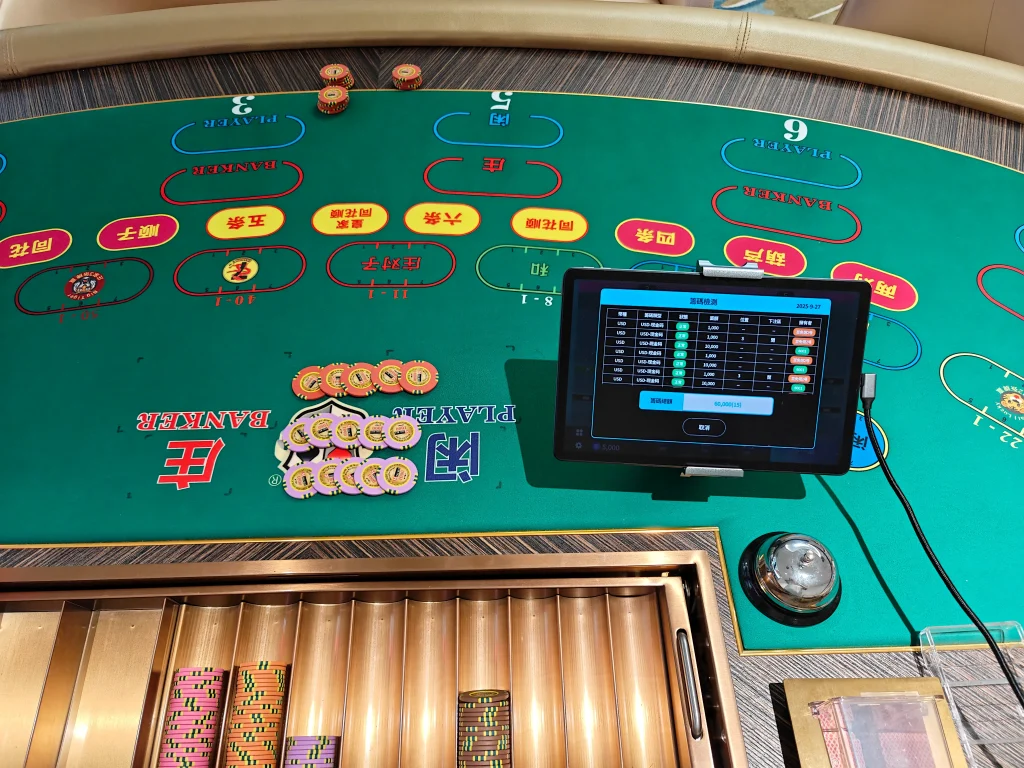
RFID-enabled casino poker chips eliminate these blind spots. Each chip embeds a tamper-proof, encrypted high-frequency RFID tag (13.56 MHz) with a globally unique ID that’s virtually impossible to clone. Integrated readers authenticate every piece in under half a second, delivering instant alerts for mismatches and creating an unbreakable digital audit trail from buy-in to cash-out.
Progressive operators deploying RFID poker chip systems achieve near-zero counterfeit penetration, slash shrinkage, accelerate cage reconciliation, and recover revenue that manual counts miss, turning a defensive security spend into a powerful revenue protection engine.
Why are legacy chips leaving your vault exposed?
Counterfeiting tactics have advanced dramatically:
- Hyper-realistic fakes mimic premium chip aesthetics, passing quick visual or tactile inspections.
- Collusion risks: dealers or insiders introduce bogus chips during peak action.
- No traceability: once chips exit the table, movement tracking ends, enabling theft or laundering.
- Regulatory heat: AML/KYC rules demand precise, timestamped chip-flow records; gaps invite fines, audits, or license jeopardy.
Manual processes compound every vulnerability. Human error at the cage, slow stack verification during busy shifts, and lack of real-time anomaly detection create exploitable gaps that sophisticated fraudsters target relentlessly.
RFID poker chips close these vectors completely, transforming passive inventory into actively monitored assets.

What are the core components of an RFID chip security system?
The system has four parts: the tagged chips, the readers, the management software and the procedure that connects them. What each part does is covered in our RFID casino chips guide.
How to specify an RFID poker chip order
An RFID chip order is specified like any custom chip order, with one addition: the protocol and the inlay are fixed before production, because they cannot be changed afterwards.
- Material and feel, which set the weight and the way chips stack
- Denominations and the colour ladder, including how adjacent denominations read side by side in a stack
- Edge spots, inlay artwork and any security printing
- RFID protocol, matched to the readers the room will use
- Reader compatibility, confirmed against the hardware before the order is released
- Batch and serial range, so the chip records can be loaded into the management system at the same time as the chips arrive
Send a floor plan, a denomination list and the reader model, and Macaumr confirms the mix before quoting.
From pilot to full floor
Most RFID chip programmes start on a defined set of tables rather than the whole room. A pilot gives the property room to calibrate readers, load the chip records and settle the operating procedure before the rest of the floor depends on them.
The sequence that works best is staged. Encode and deploy one denomination band first, usually the highest values, then extend down the ladder once the cage and pit procedures are stable. Card records, tray records and cage records should be checked against each other at the end of every stage.
What ROI does RFID chip security deliver?
Forward-leaning properties report transformative results:
- Counterfeit losses fall through instant authentication, because a fake fails at the table rather than at the end of the shift.
- Annual fraud-prevention savings scale with the value of the chip float the property protects.
- Cage processing speed surges, fewer disputes, shorter queues, higher player satisfaction.
- Shrinkage recovery of lost revenue via automated counts and anomaly detection.
- AML compliance strengthened with timestamped, traceable records for regulators.
- Operational efficiency gains free staff to focus on service and upselling rather than vigilance.
Payback periods often fall in the 6–18 month range, especially in high-volume Asian-style pits or high-limit rooms where chip values amplify every prevented incident.
Why upgrade to RFID poker chips now?
In competitive gaming markets, where high-roller action, side-bet margins, and table hold define dominance, leaving your chip ecosystem vulnerable is an avoidable risk. Legacy chips invite multimillion-dollar exposure; RFID casino poker chips deliver ironclad protection without disrupting play or aesthetics.
Implement modular upgrades (start with high-denomination chips, VIP tables, or cage sense boards) and scale across the floor. The result: locked-down vaults, streamlined operations, reduced variance, and a measurable edge in revenue retention.
Don’t let counterfeiters or internal threats erode your gross gaming win. Audit your current chip security today and transition to RFID-enabled solutions engineered for real-world casino demands. Contact us now, Macaumr delivers battle-tested RFID poker chip systems tailored for elite gaming floors.
FAQ: RFID Casino Poker Chips
Each chip contains a unique, encrypted RFID tag embedded in a tamper-proof layer. Readers authenticate the ID in under half a second, flagging duplicates or fakes instantly with alerts. This eliminates reliance on visual checks, blocks bogus high-value chips from play or cash-out, and creates a full audit trail for revenue protection and compliance.
Premium systems use 13.56 MHz frequencies with advanced anti-collision, filtering, and shielding, achieving 99%+ accuracy even in high-EMI pits. Macaumr solutions are proven in busy Asian-style venues with negligible interference.
Absolutely, reinforced construction withstands drops (>2m), tens of thousands of shuffler cycles, spills, and heavy stacking. RFID performance remains reliable over 5+ years of 24/7 operation.
Automated real-time counting at buy-in/redemption eliminates manual errors, speeds reconciliation, reduces disputes, and provides accurate drop reports. Full tracking recovers revenue lost to shrinkage through shrinkage prevention and anomaly alerts.
Players rarely perceive it, authentication is invisible and seamless. Benefits include faster payouts, fewer validity disputes, and shorter cage lines, enhancing overall experience while the house gains superior fraud defense.
Red flags: unexplained chip variances, cage disputes over authenticity, rising shrinkage, manual reconciliation delays, regulatory audit concerns, or any history of counterfeits/collusion. If high-denomination chips circulate without electronic verification, your vault is exposed.
For the chip side of that specification, see the RFID poker chips range we produce for cage and table tracking.
Multi-layer counterfeiting defences are covered in casino chip counterfeiting prevention.