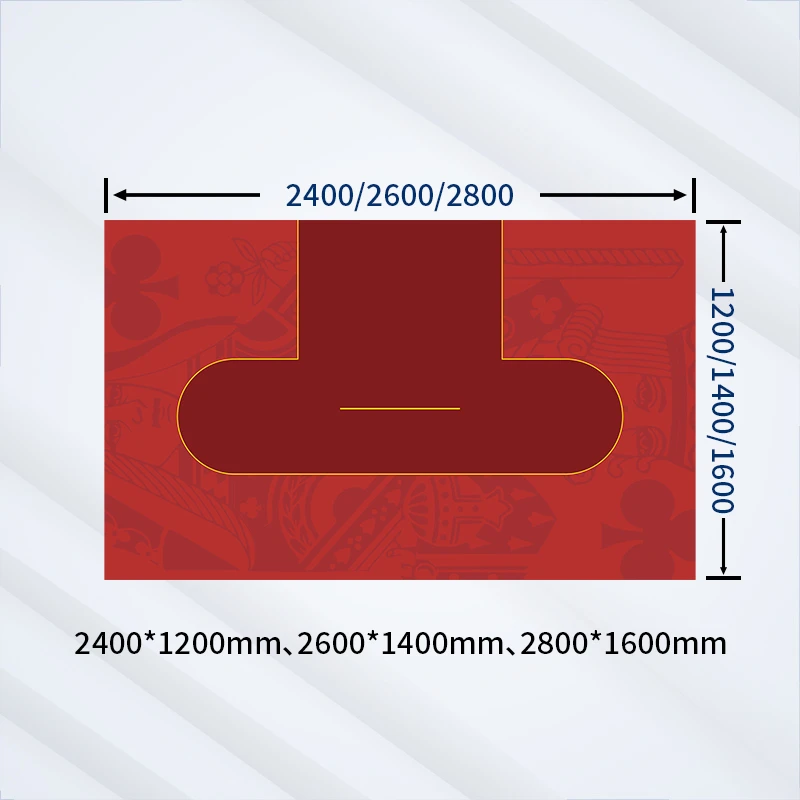
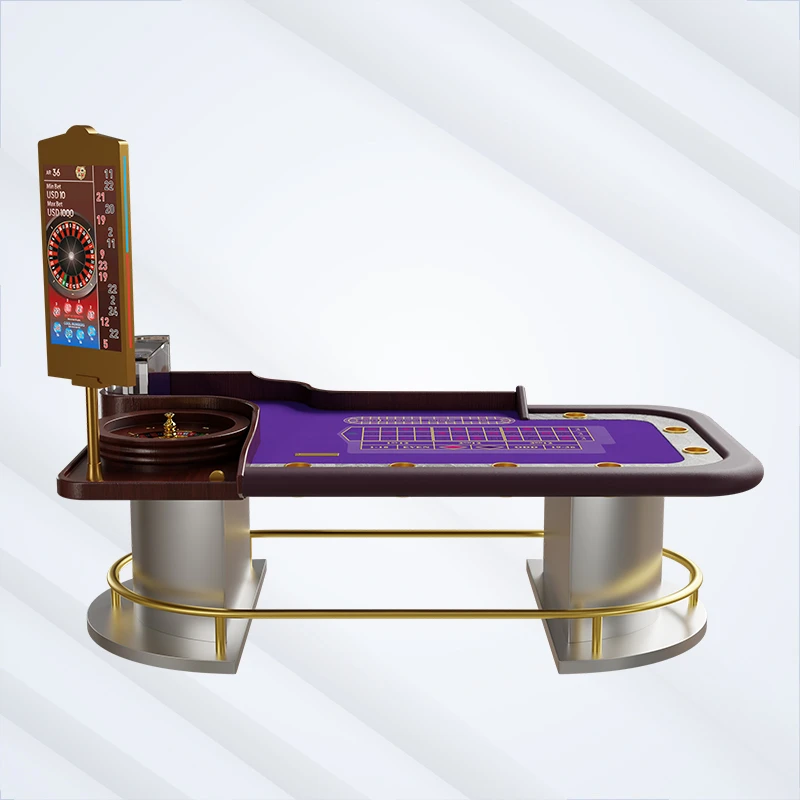
An RFID casino gaming table combines a casino table with RFID-enabled chips, reader or antenna zones, and software that records approved chip events. The exact configuration depends on the game, table layout, chip technology, reader placement, operating workflow, and the systems that must receive the data.
For casino operators, distributors, system integrators, and project contractors, the key purchasing question is not whether a table is described as “smart.” It is whether the proposed configuration can be tested against the property’s actual game rules, chip stacks, table environment, reporting requirements, and integration boundaries.

What is an RFID casino gaming table?
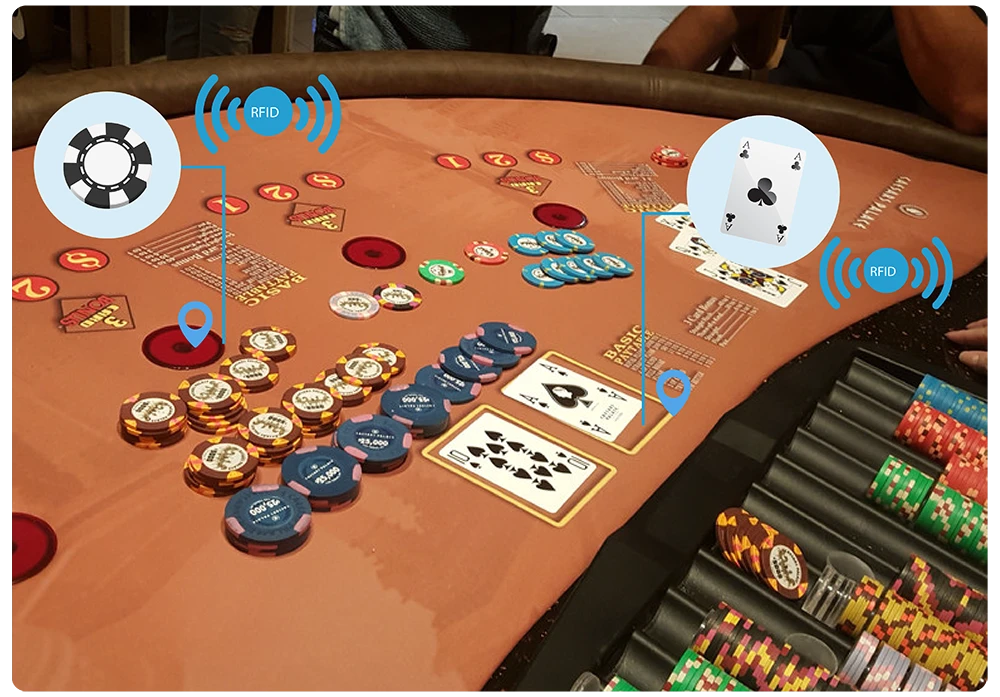
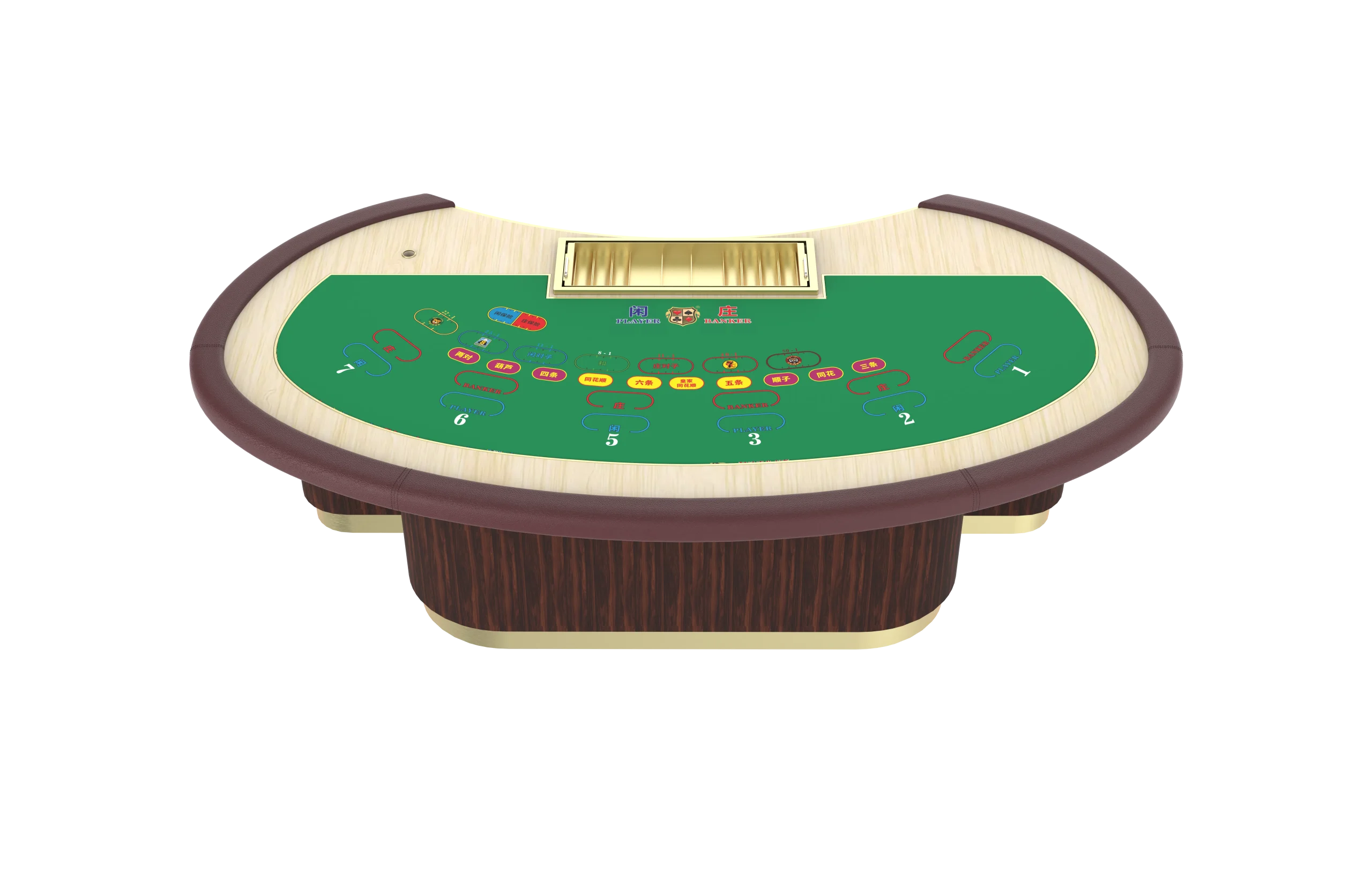
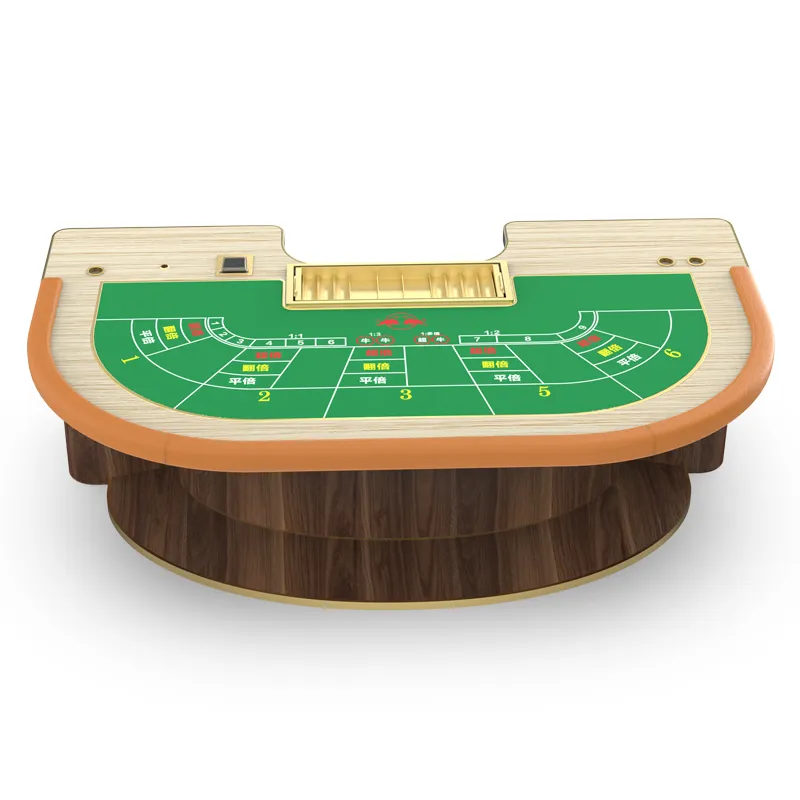
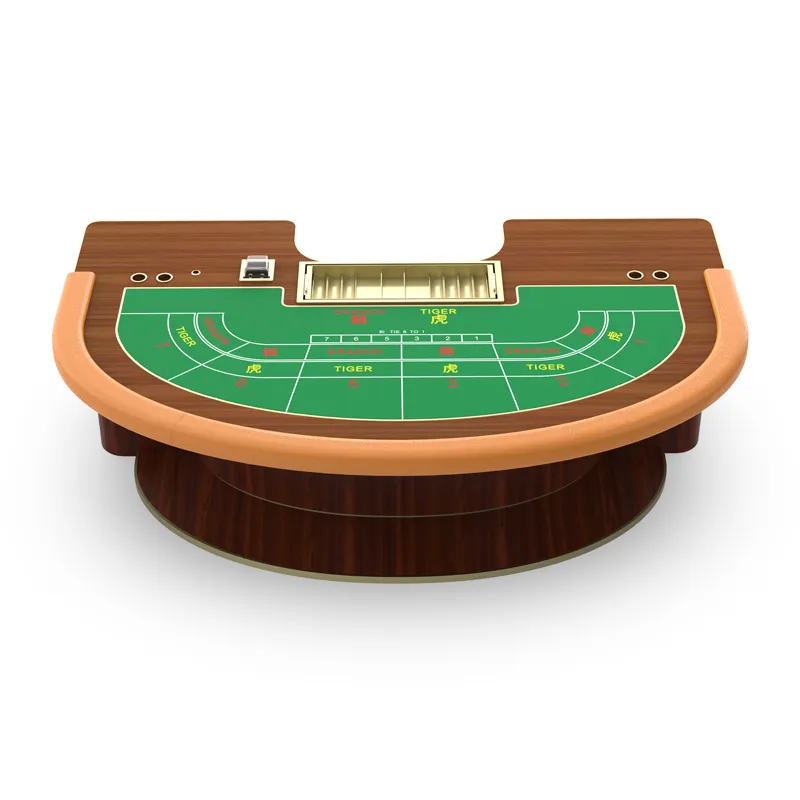
An RFID casino gaming table is a purpose-built or configured gaming table that uses RFID components to identify compatible casino chips within defined reading zones. Depending on the project, the table can be designed for baccarat, blackjack, Texas Hold’em, Niu Niu, Dragon Tiger, or another approved game format.
A typical project may include:

- a customized solid-wood casino table and layout;
- compatible RFID casino chips;
- reader or antenna components positioned for the selected workflow;
- a dealer or operator interface;
- connection to an approved display, reader, reporting, or management system;
- installation, calibration, testing, and operator training defined for the project.
Macaumr supports configurable RFID table projects and compatible RFID components. Available chip technologies include 13.56 MHz HF and 860–960 MHz UHF options. The appropriate frequency, protocol, reader design, and operating range must be confirmed for the selected chips, table workflow, and destination market.
How does an RFID table workflow operate?
The detailed workflow varies by system, but an evaluation normally covers five stages:
- Chip identification: Compatible RFID chips provide an electronic identifier that can be read by the selected hardware.
- Defined reading zones: Reader or antenna placement is designed around the approved table layout and operating process.
- Event validation: The software interprets permitted chip events according to the configured rules and data model.
- Operator display or reporting: Approved information can be shown to the dealer, pit team, or connected system.
- Audit and integration: Required records can be passed to an authorized reporting or management environment, subject to the agreed interface and data controls.
RFID does not automatically provide every function sometimes associated with a “smart casino.” Pot calculation, rake calculation, player identification, facial recognition, AML workflows, collusion analysis, and marketing profiles are separate capabilities that must be explicitly documented, legally reviewed, integrated, and tested when required.
Which casino games can use RFID table configurations?
RFID table projects can be evaluated for several game types, including:
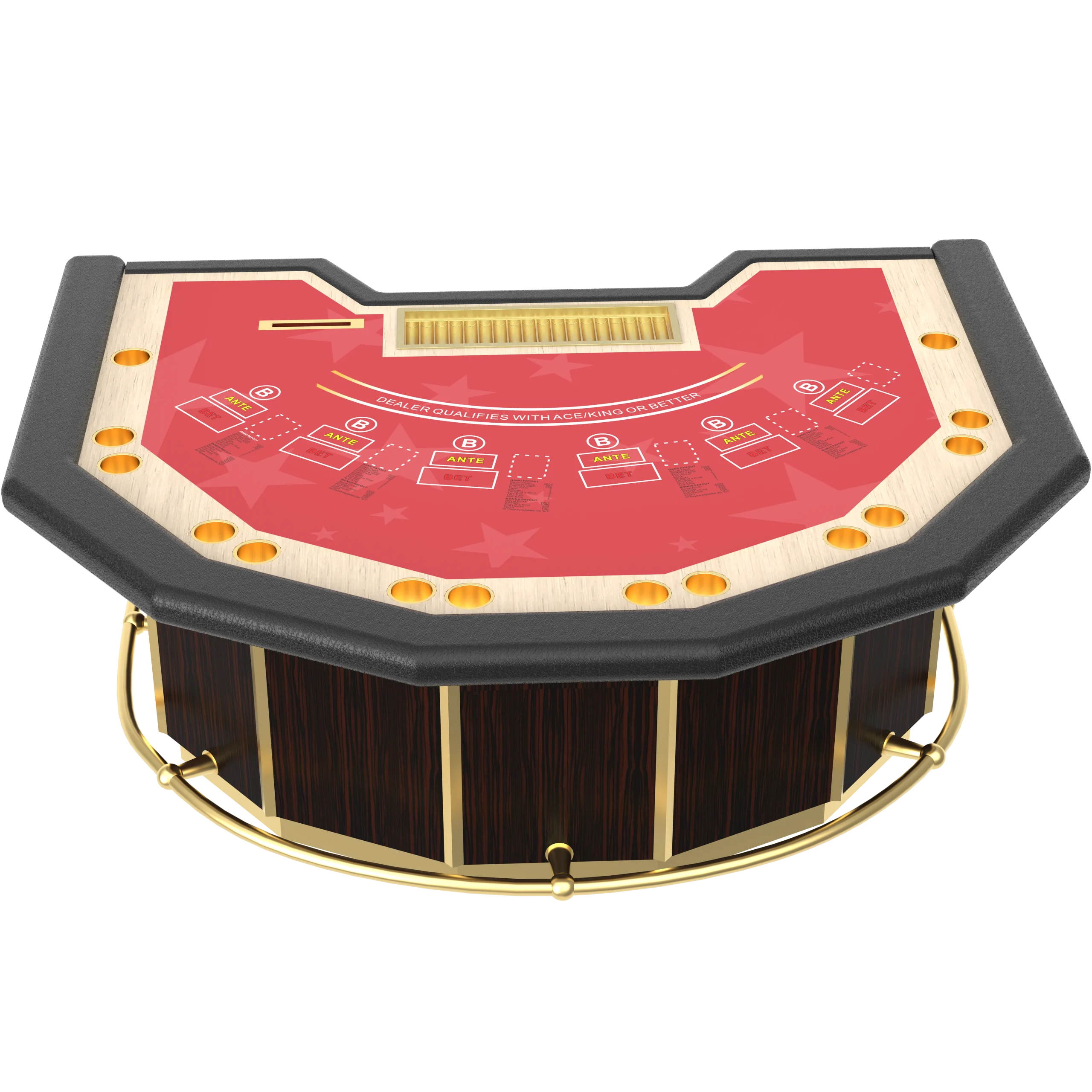
- baccarat tables;
- blackjack tables;
- Texas Hold’em and poker tables;
- Niu Niu tables;
- Dragon Tiger tables.
The game type affects the table shape, betting zones, dealer workflow, chip-stack conditions, display requirements, and software logic. A buyer should therefore request a game-specific configuration instead of assuming that one reader layout is suitable for every table.
What should buyers verify before purchasing?
1. Chip and reader compatibility
Confirm the chip material, frequency, protocol, identifier format, reader hardware, and required reading conditions. If an existing chip inventory or management system must be retained, provide representative samples and interface documentation before the final configuration is approved.
2. Table layout and reading-zone design
Provide the game type, table dimensions, layout artwork, betting positions, dealer area, accessories, and nearby equipment. Reader placement and calibration should be evaluated in the actual table structure rather than inferred from a generic specification.
3. Stack and interference testing
Define the chip materials, denominations, expected stack sizes, overlapping-zone risks, metal objects, electronic equipment, and failure conditions that must be tested. Ask the supplier to document the test method and acceptance threshold for the approved configuration.
4. System integration
List every required destination system and data exchange. Confirm what data is available, how it is transmitted, who controls access, how errors are handled, and whether a sandbox or integration test is required. No integration should be assumed from a product name alone.
5. Security and privacy controls
Document permitted data collection, user roles, audit logging, retention, and local regulatory requirements. RFID chip identification is not the same as player identification, and it does not by itself establish AML, privacy, or gaming-compliance approval.
6. Installation and acceptance
Agree on installation responsibilities, on-site conditions, calibration, operator training, acceptance cases, issue handling, and handover records. Packaging, shipping, installation, and destination requirements are confirmed per project.
RFID table acceptance-test checklist
Before approving production or deployment, buyers can request a written test plan covering:
- approved chip types and sample quantities;
- each reading zone and boundary condition;
- representative chip-stack sizes and positions;
- missed-read, duplicate-read, and cross-zone scenarios;
- nearby metal and electronic-interference conditions;
- startup, disconnect, recovery, and manual fallback procedures;
- operator display and reporting behavior;
- required system interfaces and export fields;
- access control and audit-log checks;
- documented pass/fail criteria and sign-off responsibility.
Performance values should be tied to this test plan. A percentage or response-time claim without the chip type, reader configuration, stack condition, environment, and acceptance method is not sufficient for procurement.
Traditional and RFID-enabled tables: a practical comparison
| Evaluation area | Traditional table | RFID-enabled table |
|---|---|---|
| Chip information | Primarily visual and manual processes | Compatible chips can provide electronic identifiers within configured reading zones |
| Reporting | Depends on manual procedures and existing systems | Approved chip events can be supplied to configured displays or systems |
| Integration | Usually separate from the table | Requires documented hardware, software, interface, and data responsibilities |
| Acceptance testing | Table construction and layout checks | Table checks plus chip, reader, zone, interference, data, and recovery tests |
| Maintenance | Table and layout maintenance | Table maintenance plus reader, calibration, software, and integration checks |
This comparison describes workflow differences, not guaranteed financial or operational outcomes. Results depend on the approved configuration and the property’s operating process.
Recommended project stages
An RFID table project is easier to evaluate when the buyer and supplier agree on staged deliverables instead of treating the table, chips, readers, and software as one undefined package.
- Requirements review: Confirm the game, table quantity, chip inventory, operating workflow, destination market, integration scope, installation environment, and responsible parties.
- Sample and interface review: Evaluate representative chips, drawings, data fields, reader requirements, and any existing system documentation that affects compatibility.
- Configuration proposal: Document the proposed table structure, RFID components, reading zones, operator interface, integration boundary, testing method, and commercial exclusions.
- Design freeze: Approve dimensions, materials, layout artwork, component positions, electrical and network requirements, and the version-controlled interface specification.
- Factory acceptance: Test the agreed chip types, zones, stack conditions, error cases, interfaces, and recovery procedures before shipment.
- Site acceptance and handover: Repeat the required checks in the installed environment, train authorized operators, record exceptions, and sign off against the agreed acceptance criteria.
Each stage should identify who supplies the inputs, who approves the result, and what evidence closes the stage. This prevents a visually complete table from being accepted before chip compatibility or system behavior has been verified.
Data and integration questions for system teams
Before connecting an RFID casino gaming table to another platform, the casino or integrator should ask:
- Which chip events and identifiers are available to the receiving system?
- Is the interface real-time, scheduled, file-based, or API-based?
- Which system owns game, table, denomination, user, and transaction identifiers?
- How are duplicate, missed, late, or conflicting reads represented?
- What happens when the reader, network, display, or destination system is unavailable?
- Which roles can view, export, correct, or delete records?
- What logs are retained for testing, troubleshooting, and authorized audits?
- Is a sandbox, simulator, or representative test environment available?
- Which software, firmware, schema, and interface versions are included in acceptance?
These questions are especially important when a buyer requests analytics, player-related functions, security alerts, or compliance reporting. Such outcomes depend on the connected systems, approved data, local rules, and project-specific implementation; they are not guaranteed by the RFID table hardware alone.
Evidence to request from a supplier
A procurement team can ask the supplier to distinguish clearly between product evidence and marketing language. Useful project evidence may include:
- table drawings and approved material specifications;
- RFID chip and reader specifications for the proposed configuration;
- representative sample-test results with documented conditions;
- interface documentation and field definitions;
- factory and site acceptance procedures;
- packaging, installation, training, warranty, and support terms in the quotation;
- relevant design-patent or trademark documents when the document type is accurately identified.
A design patent or trademark registration is not the same as a product-compliance certificate. Likewise, a factory or venue photograph does not establish a named customer, installation quantity, performance outcome, or ROI. Buyers should evaluate each document according to what it actually proves.
Price, lead time, warranty, and support
Pricing for RFID casino gaming tables is confirmed by the sales team based on the game type, table configuration, RFID components, installation requirements, and project scope.
MOQ, sampling, production lead time, packaging, shipping, installation, warranty scope, warranty duration, training, and support arrangements must also be confirmed for the selected configuration. Buyers should request these terms in the written quotation rather than relying on a general website estimate.
Maintenance planning
An RFID table maintenance plan should be based on the installed hardware and operating environment. The handover package can define routine surface care, reader checks, calibration or diagnostic procedures, approved firmware handling, spare-parts planning, fault escalation, and periodic acceptance re-tests.
Avoid publishing or relying on a universal service-life figure. Chip wear, table use, reader configuration, cleaning processes, environmental conditions, and maintenance practices can all affect service requirements.
Information to include in an RFID table RFQ
To receive a configuration-specific proposal, provide:
- casino, distributor, integrator, or contractor role;
- destination country or market;
- game type and number of tables;
- required table dimensions, shape, materials, and layout;
- new or existing RFID chip requirements;
- preferred frequency or protocol, if already specified;
- required reader zones and operator workflow;
- display, reporting, or management-system interfaces;
- installation, training, and acceptance-test requirements;
- target schedule and shipping destination;
- drawings, specifications, or sample files that can be reviewed.
Macaumr can then confirm the feasible configuration, required samples, commercial terms, and next technical-review step. Contact the sales team to request an RFID casino gaming table proposal and an acceptance-test checklist for your project.
The chips are only part of the stack, browse the RFID poker tables built to read them.
For a specific configuration, the RFID Texas Hold’em poker table is built as a ten-seat oval with the reader laminated beneath the felt rather than added under an existing top.
For the numbers behind the upgrade, see securing the pit in 2026.