Chip authentication has become the frontline defence against counterfeiting and chip theft in modern gaming operations. Counterfeiting is not hypothetical: in March 2025 Macau police broke up a gang that had defrauded gamblers and currency-exchange operators of more than HK$1.2 million with counterfeit HK$10,000 chips since July 2024. As gaming floors face increasingly sophisticated counterfeiting techniques (from 3D-printed replicas to cloned holographic labels) passive visual security features alone no longer provide adequate protection.
For casino operators and procurement managers, understanding how RFID authentication works at the chip level is essential for making informed investment decisions. This guide examines the technical architecture of RFID-enabled casino chips, compares authentication protocols across leading manufacturers, and quantifies the operational ROI that operators can expect when transitioning from traditional clay composite chips to RFID-embedded alternatives. We also address the integration challenges that arise when deploying RFID reader infrastructure across existing table game layouts.
Whether you are upgrading a single VIP pit or rolling out floor-wide RFID tracking across hundreds of gaming positions, the technology decisions you make today will shape your casino’s security posture and operational efficiency for the next five to seven years. Our complete B2B guide to RFID casino chips provides additional context on chip construction and vendor selection, while this article focuses specifically on authentication technology and anti-counterfeiting implementation.
How do RFID casino chips authenticate at the table?
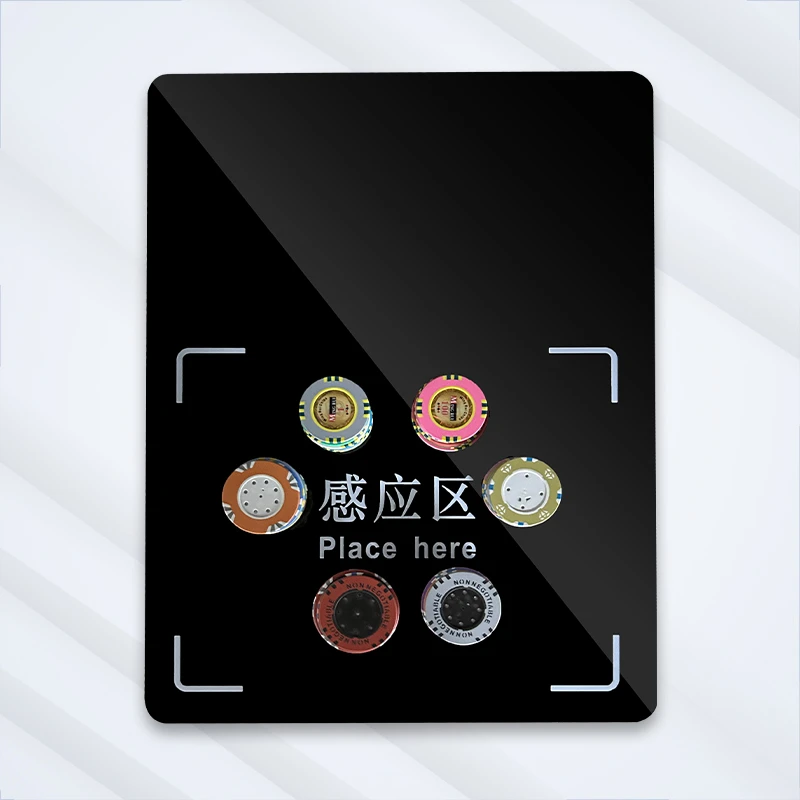
The core authentication mechanism in RFID casino chips relies on passive UHF (Ultra-High Frequency) transponders embedded between the chip’s inner layers during manufacturing. Unlike RFID tags used in retail or logistics, casino-grade transponders operate on encrypted protocols that prevent cloning through challenge-response authentication. When a chip passes over an RFID reader antenna embedded in the table felt or positioned in the chip tray, the reader sends a cryptographic challenge that the transponder must answer with a pre-programmed unique identifier and a rolling authentication code.
This process occurs in milliseconds, fast enough to scan an entire bet stack without disrupting game pace. The Casino Cage RFID Chips Reader Board demonstrates this capability at the cage level, where entire racks of chips can be authenticated in a single batch read. At the table level, embedded antennas in RFID gaming tables perform the same function continuously, creating a real-time inventory of every chip in play.
The authentication layer operates independently of the chip’s visual security features. Even if a counterfeiter perfectly replicates the holographic label, UV markings, and edge spot patterns of a legitimate chip, the embedded transponder cannot be cloned without access to the manufacturer’s proprietary encryption keys. RFID-embedded casino chips use AES-128 encryption on the transponder, the same class of standard used to protect sensitive data.
How much do counterfeit chips cost casinos?
Chip counterfeiting represents one of the most significant non-game revenue threats to casino operations. For properties in jurisdictions with less regulatory oversight, the exposure is believed to be substantially higher.
The financial impact extends beyond the face value of counterfeit chips. When a fake chip is discovered on the floor, casinos must conduct immediate table audits, potentially pause game operations, and file regulatory reports; all of which generate operational downtime costs. A single confirmed counterfeiting incident at a high-limit baccarat table costs a property in lost gaming time, staff overtime, and compliance work.
RFID authentication shifts this cost structure dramatically. Properties that have deployed RFID-embedded chips report very few successful counterfeiting incidents post-implementation. The deterrent effect alone reduces attempted fraud: when potential counterfeiters recognize that a property uses RFID authentication, the cost and complexity of attempting to clone encrypted transponders exceeds the realistic return on investment for fake chip production. Explore our RFID Poker Chips collection to see available chip configurations with embedded authentication technology.

What reader infrastructure does an RFID chip system need?
A complete RFID chip authentication system requires three tiers of reader infrastructure, each serving a distinct operational function. The first tier is the cage reader, which handles high-volume batch authentication when chips move between the cage and the floor. The SiM Cage Management System integrates cage-based RFID readers with casino management software, enabling automated chip fills, credits, and inventory reconciliation without manual counting.
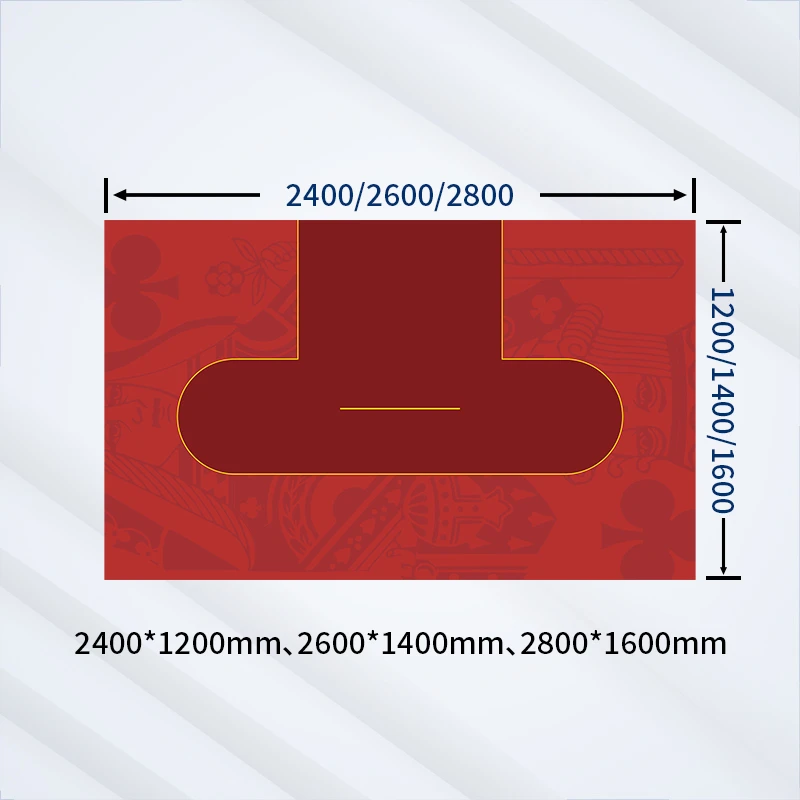
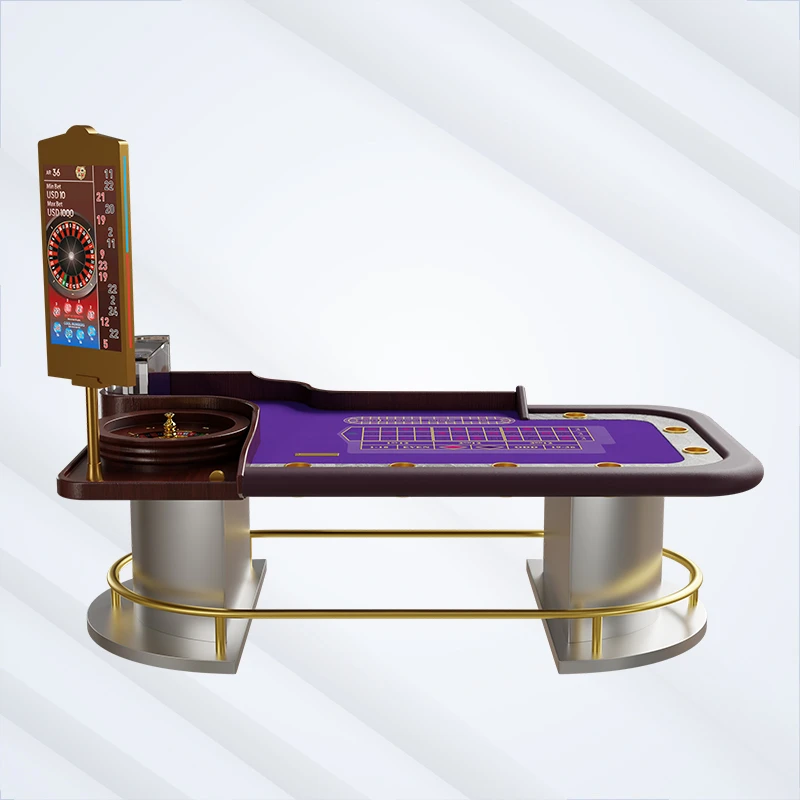
The second tier consists of embedded table readers, antenna arrays installed beneath the table felt or within the chip tray that continuously scan every chip in the betting area. These readers connect to a pit-level server that aggregates real-time position data, enabling floor supervisors to monitor exact chip counts at every table without visual inspection. Our RFID poker table collection includes tables with factory-installed reader infrastructure compatible with major chip manufacturer protocols.
The third tier is portable authentication, which provides mobile verification capability for scenarios where chips move outside the controlled cage-to-table pipeline. The Portable Casino RFID Chips Anti-Counterfeit Handheld Terminal allows security personnel to authenticate individual chips or small stacks anywhere on the property, in VIP rooms, at cashier stations, or during patron disputes. This portable tier closes the authentication gap that fixed readers cannot cover.
Does RFID integrate with an existing casino management system?
RFID chip authentication delivers maximum value when integrated with broader casino management systems rather than operating as a standalone security layer. Modern cage management platforms, such as those in our Cage Chips System collection, connect RFID reader data directly to accounting modules, enabling real-time reconciliation between chip inventory, cash reserves, and table drop reports. This integration eliminates the end-of-shift manual counts that traditionally consume 30 to 45 minutes per pit.
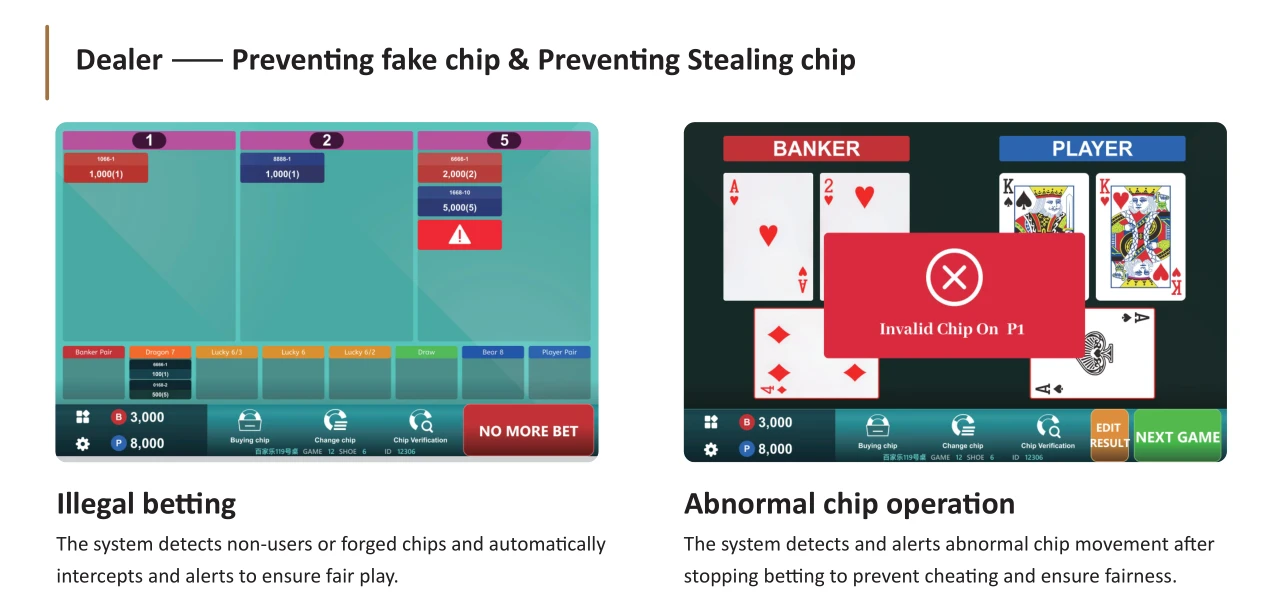
The data generated by RFID-authenticated chips also feeds into surveillance and pit management analytics. When every chip on the floor has a uniquely identifiable digital signature, surveillance teams can track individual chip movement patterns, identify unusual betting behavior, and detect chip theft or collusion attempts that would be invisible to camera-only surveillance systems. The combination of RFID tracking and AI-powered pattern recognition represents the current state of the art in table game security, a topic we cover in detail in our article on RFID chip tracking for live table games.
For properties running mixed chip inventories (where RFID-embedded chips coexist with legacy non-RFID chips) the management system must handle dual-mode operations gracefully. Leading casino management platforms support configurable alert thresholds that distinguish between “chip not RFID-enabled” and “chip authentication failed,” preventing false positives during the transition period while still flagging genuinely suspicious items.
What is the cost-benefit of deploying RFID chips?
The investment required for floor-wide RFID chip deployment varies significantly based on property size, chip inventory volume, and existing infrastructure compatibility. Based on procurement data from casino equipment suppliers, RFID-embedded chips cost approximately $2.50 to $4.00 per unit, compared to $0.80 to $1.50 for standard clay composite chips of equivalent denomination. For a property with 50,000 chips in active circulation, the chip premium alone represents an additional $85,000 to $125,000 in procurement costs.
However, the operational savings and loss prevention benefits substantially offset this premium. Chip counting labor, table drop processing and shrinkage reconciliation all fall once chip reads are automated rather than hand-counted, and the payback period scales with the value of the chip float a property has to protect.
Additional ROI factors that operators should include in their analysis: reduced regulatory compliance costs (automated audit trails replace manual reconciliation), lower insurance premiums (certified RFID tracking can qualify a property for reduced gaming liability coverage), and improved marketing data (chip movement analytics enable precise player tracking for loyalty programs). These secondary benefits often add 20 to 30 percent to the base ROI calculation.

What certification standards apply to RFID gaming chips?
RFID casino chips must meet stringent regulatory and technical standards before deployment on a licensed gaming floor. Chips are typically certified by an approved independent testing laboratory for read accuracy, durability and authentication behaviour before use in a given market.
Key compliance requirements include: read accuracy of 99.5 percent or higher when chips are stacked up to 20 units deep on a standard reader antenna; transponder survival after 100,000 simulated handling cycles (including drops, friction wear, and temperature cycling between -10°C and 60°C); and resistance to RF interference from common casino floor electronics, including cell phones and wireless microphones. Chips must also maintain authentication functionality for a minimum of five years under normal operating conditions.
For properties operating in multiple jurisdictions, chip certification reciprocity can simplify procurement. Chips certified by GLI and approved by the Nevada Gaming Control Board are typically accepted by regulatory bodies in Macau, Singapore, and most U.S. gaming jurisdictions without additional testing, though local regulatory approval is still required. Operators should verify jurisdiction-specific requirements with their compliance team before finalizing chip procurement contracts.
Frequently Asked Questions
How long do RFID transponders last inside casino chips?
RFID transponders embedded in casino chips are designed for a minimum operational lifespan of five to seven years under normal casino floor conditions. The passive UHF technology used in these transponders contains no internal battery, so the lifespan is determined by the physical durability of the antenna coil and the encapsulation material surrounding the transponder.
Can RFID casino chips be cloned or copied by sophisticated counterfeiters?
RFID casino chips cannot be practically cloned due to the AES-128 encryption protocol used in casino-grade transponders. Unlike consumer RFID cards that use simpler authentication schemes, casino chip transponders require manufacturer-proprietary encryption keys that are not stored on the chip itself; they are injected during manufacturing and never transmitted in plaintext. A counterfeiter would need to breach the chip manufacturer’s key management infrastructure to produce functional clones, which represents a significantly higher barrier than replicating physical security features.
Do RFID chips work with existing non-RFID table layouts and equipment?
RFID chips function as regular casino chips on non-RFID-equipped tables; they maintain the same weight, dimensions, and handling characteristics as standard clay composite chips. However, the authentication and tracking features remain dormant without compatible reader infrastructure. To activate RFID tracking at a specific table, the property must install embedded reader antennas (either in the table felt or chip tray) and connect them to a pit-level management server. Many operators phase their deployment by rolling out RFID chips first, then upgrading table infrastructure incrementally.
Conclusion
RFID casino chips represent a mature, proven technology that addresses the most pressing security and operational challenges facing modern table game operations. The authentication layer provided by encrypted transponders effectively eliminates traditional counterfeiting threats, while the tracking infrastructure delivers operational efficiencies that generate measurable ROI within 12 to 30 months of deployment. As regulatory requirements around chip accountability continue to tighten across global gaming jurisdictions, properties that invest in RFID infrastructure now will be positioned to meet compliance demands without disruptive retrofitting.
For operators evaluating RFID chip deployment, the key decision factors are property scale, existing management system compatibility, and the regulatory environment in which the property operates. Starting with high-limit pits where counterfeiting exposure is greatest allows properties to validate the technology and build internal operational expertise before committing to floor-wide rollout. The combination of RFID-embedded chips, multi-tier reader infrastructure, and integrated cage management software creates a security architecture that no passive visual protection system can match.